


 My blog
  Support me on Tipeee!


Monday4November
After the very spiritual visit of Kek Lok Si, the afternoon will be much more lively and touristy with a little walk at the top of Penang Hill. Access is by funicular.


It is one of the steepest funiculars in the world.

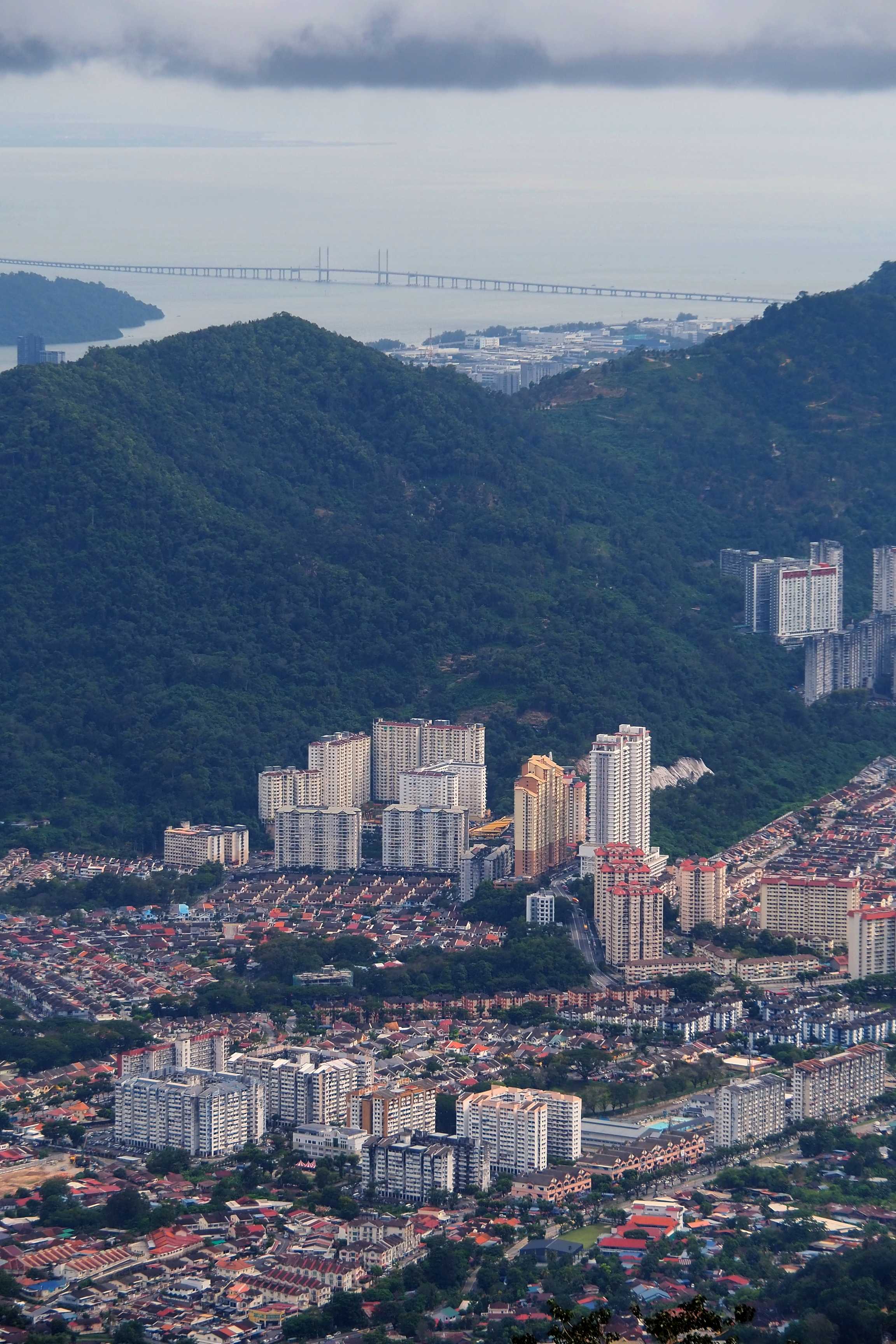
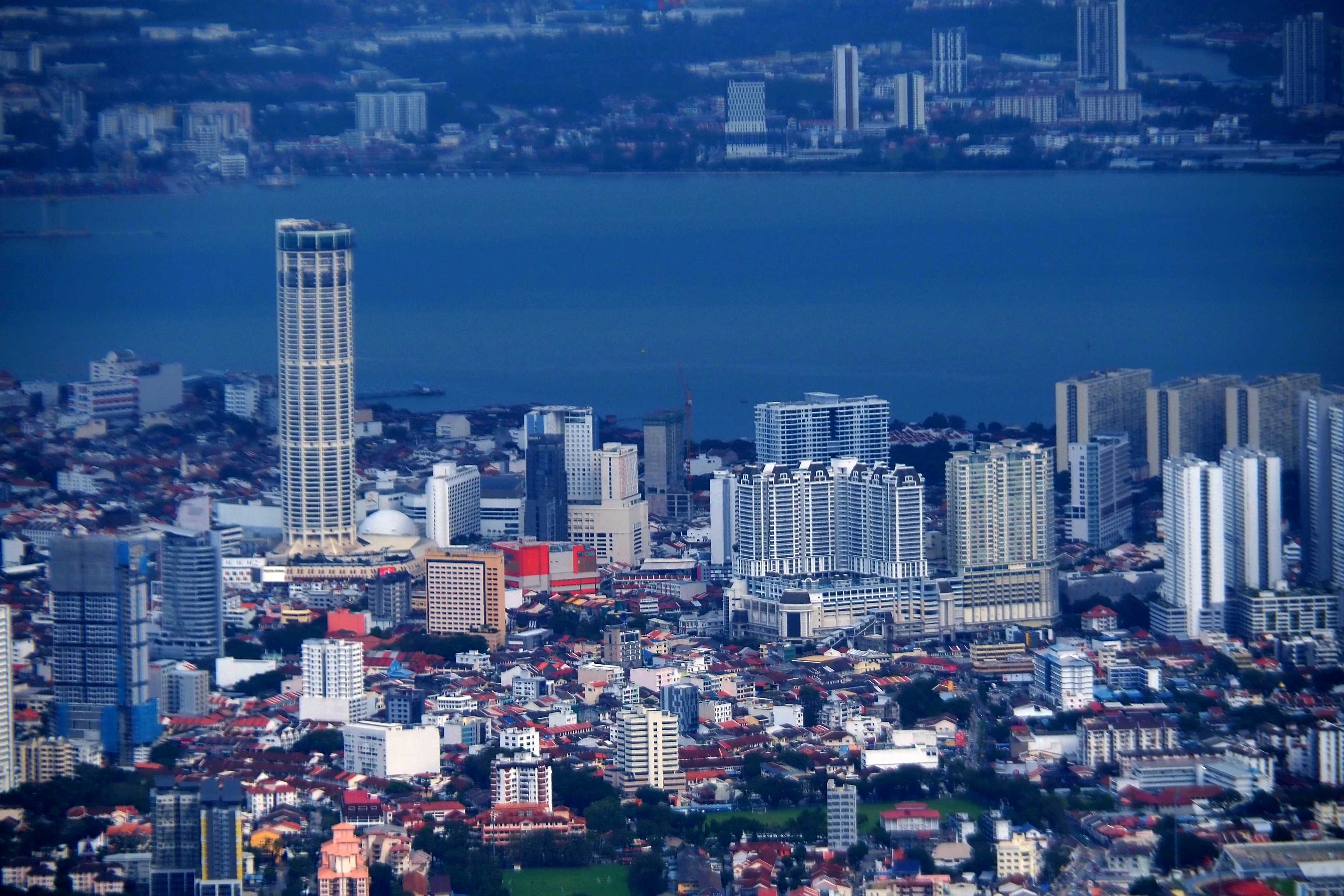
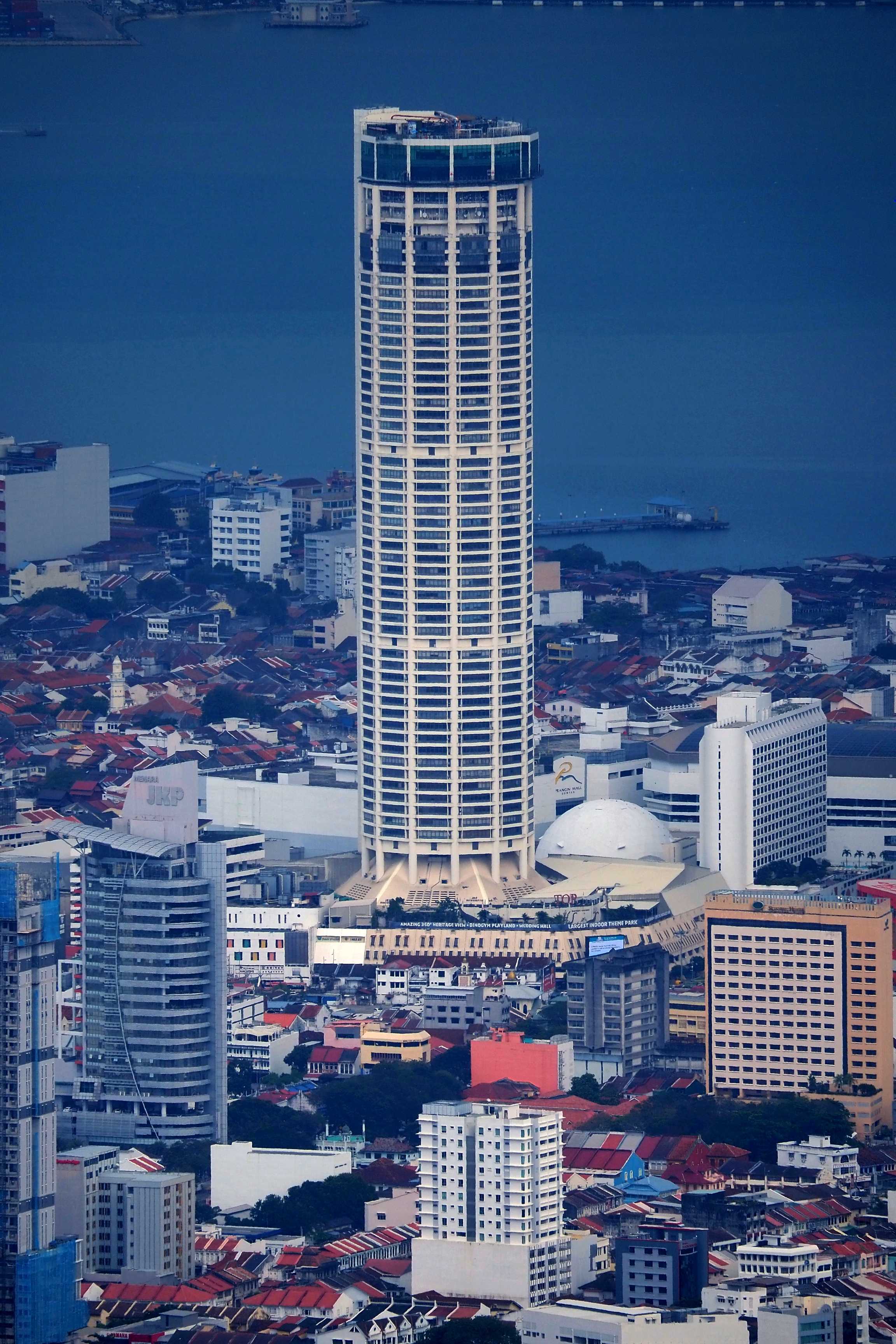
Here we are arrived. The highest point is 833 meters above sea level with viewpoints on George Town and the Penang Strait.


On the left, the smallest of the two bridges connecting the island to the mainland.



The place is very touristy with everything that goes with it. 


The second bridge and its 23 kilometers long, the longest in Southeast Asia.


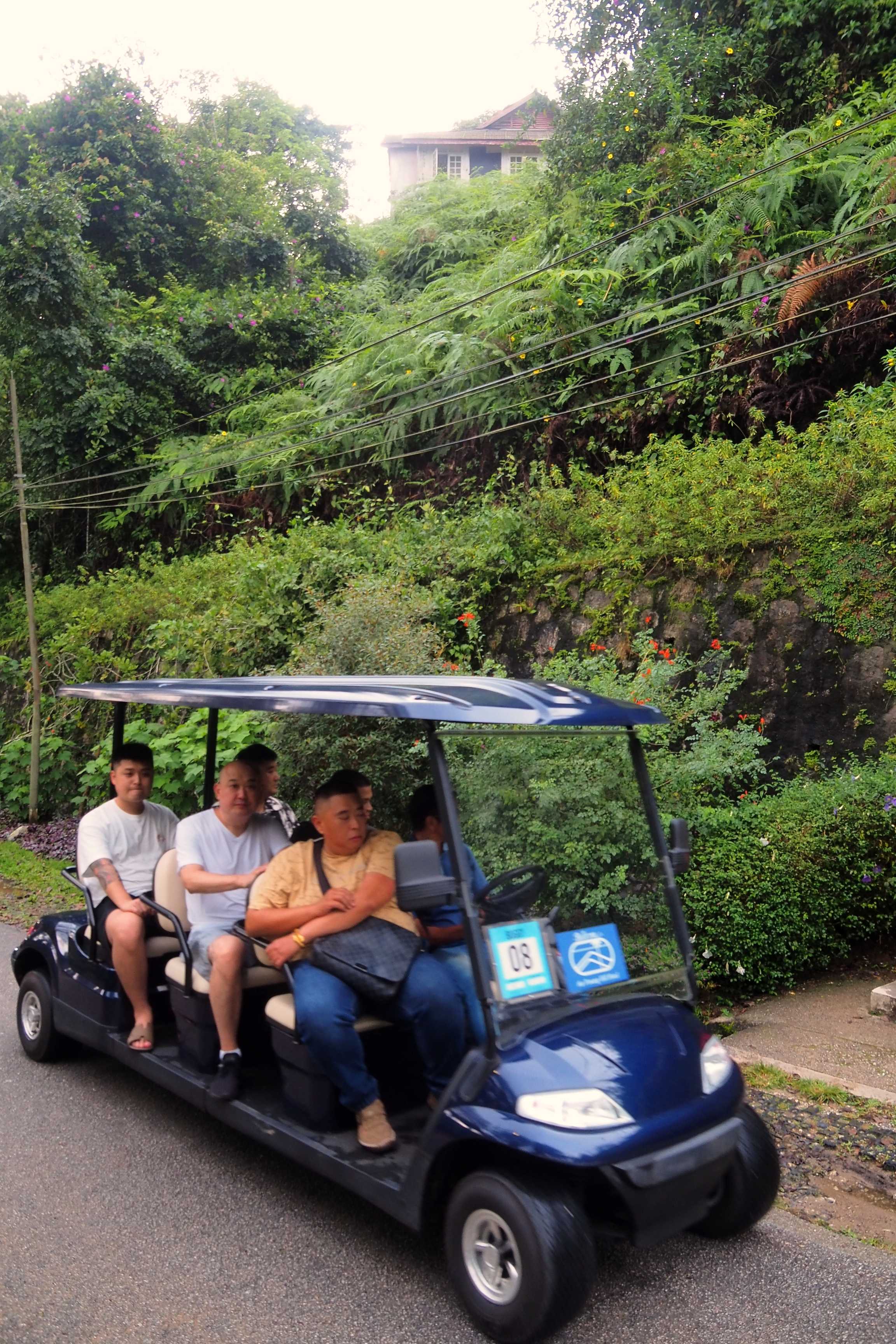
Penang Hill is also a large Biosphere Reserve recognized by UNESCO in 2021. The park calls itself "ecotourist" and is arranged to help visitors discover all the riches of the flora of the tropical forest. We therefore begin a small walking tour on the various paths that cross part of the reserve. This is not the case for everyone, who prefer the wheels of small carts to their feet...

Colonial-era mailbox, made in the UK from cast iron by A. Handyside


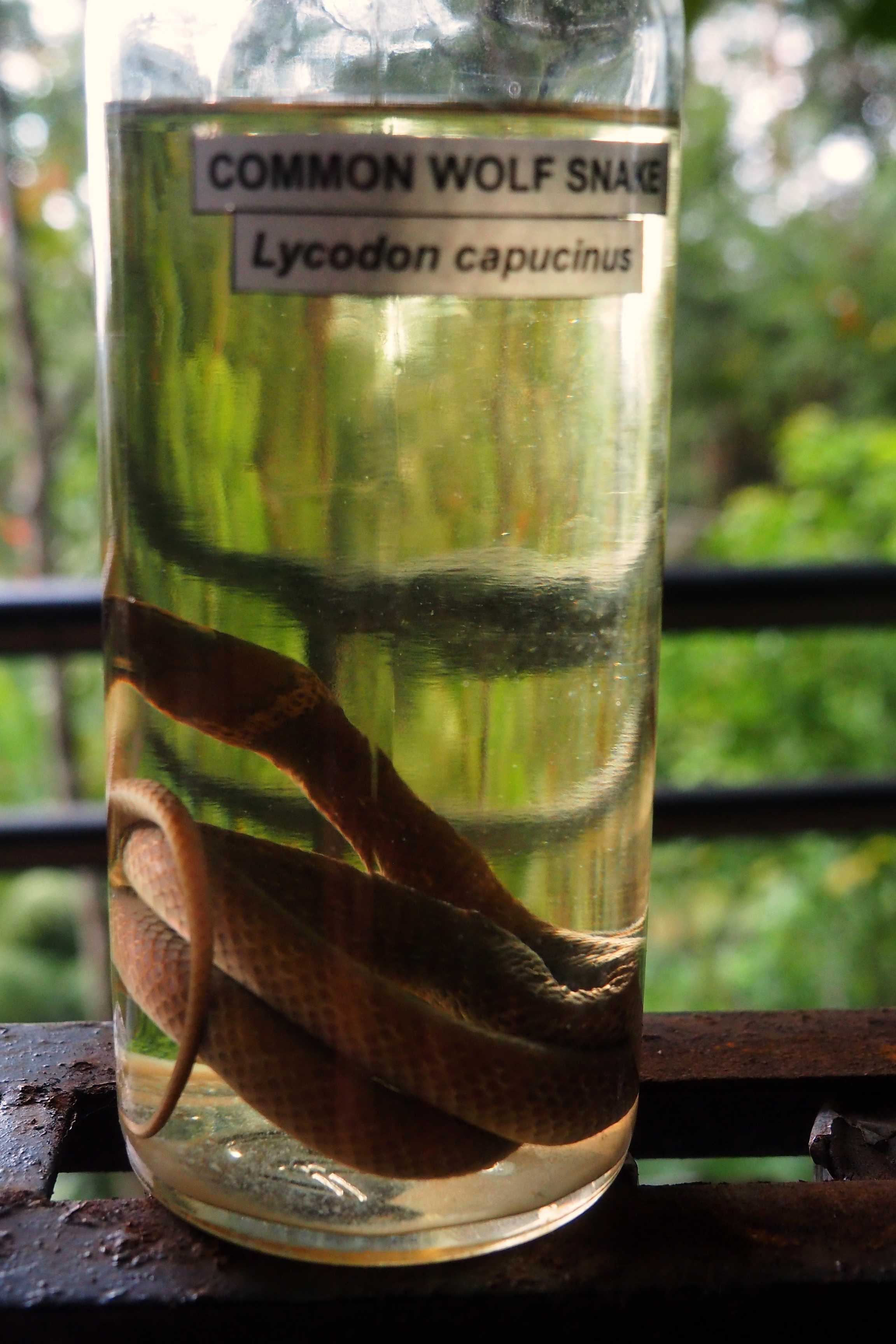
Some "zoology" stops on the route...


Short swing break in front of the canopy catching the clouds..


The "Curtis Crest Treetop Walk", circular walkway offering a 360-degree panoramic view of the island, the mainland and the Andaman Sea.

The walkway is 13 meters high.


We are now in front of the "Langur Way Canopy Walk", a 230-meter long suspension bridge. It consists of several sections that wind through the treetops.

At its highest point, the Langur Way is located about 40 meters above the ground.


The walkers are more or less hairy . Regarding these long-tailed macaques (Macaca fascicularis), it's grooming time... 


George Town facing the city of Butterworth on the mainland.

Clouds invite themselves from time to time, competing with the Sun which tries breakthroughs...


The Sun gives way to the city lights.

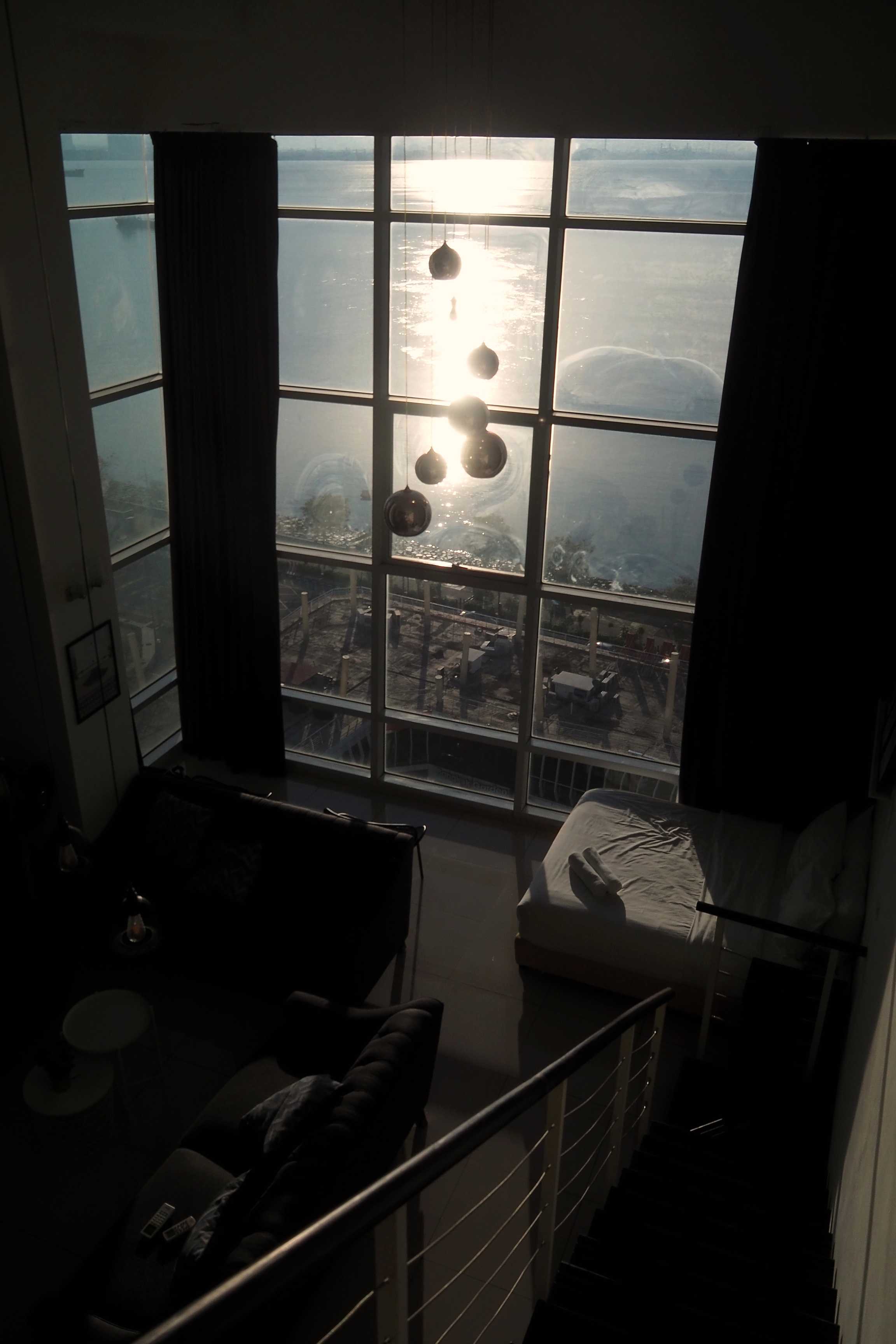
End of the day, we arrive in our new Airbnb. A large loft ideally located on the tenth floor facing the Penang Strait.


We are just next to the Al Bukhary mosque.

Tuesday5November
Wake up with the huge windows on the sunny Penang Strait. In the distance, we can guess the small mountain "Tokun Peak" and the city of Butterworth


Entopia, the butterfly farm
The day begins with a visit to Entopia, "the butterfly farm", a giant greenhouse dedicated to tropical microfauna.

The first rooms present terrariums with their various small inhabitants, starting with amphibians. Here we see the Malaysian horned frog (Megophrys nasuta).


The Pyxicephalus adspersus, better known as the African bullfrog, is the largest amphibian in Africa. This imposing predator is a master in the art of ambush, spending much of its time buried in the ground, leaving only the top of its head and eyes protruding. This carnivorous frog feeds on insects, small rodents, birds and even other amphibians...  Adapted to dry climates, it can estivate for months, secreting a mucus cocoon to survive dehydration.


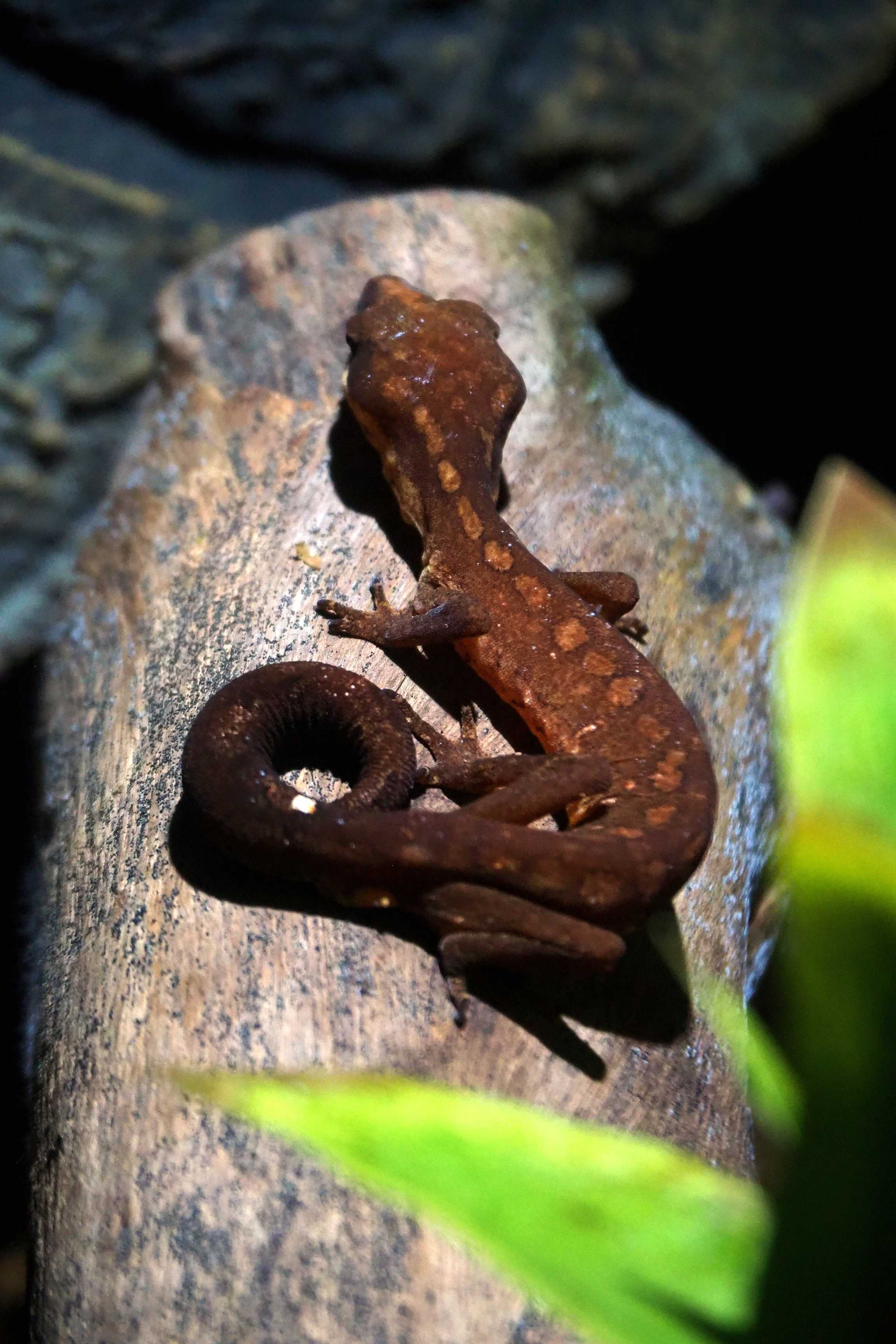
The cat gecko (Aeluroscalabotes felinus), small nocturnal reptile native to tropical rainforests. It owes its name to its prehensile tail that resembles that of a cat and which it uses to cling to branches.
The Brazilian salmon pink bird-eating tarantula (Lasiodora parahybana), one of the largest tarantula species in the world...  And the curly hair tarantula (Tlitocatl albopilosus) with its long, curly hairs covering its body giving it a fluffy appearance.


Wagler's pit viper (Tropidolaemus wagleri), venomous arboreal snake characterized by its triangular head.


We now pass into the greenhouse where this time the animals are free, especially the many butterflies.

Nile tilapia (Oreochromis niloticus).

The Chinese water dragon (Physignathus cocincinus).


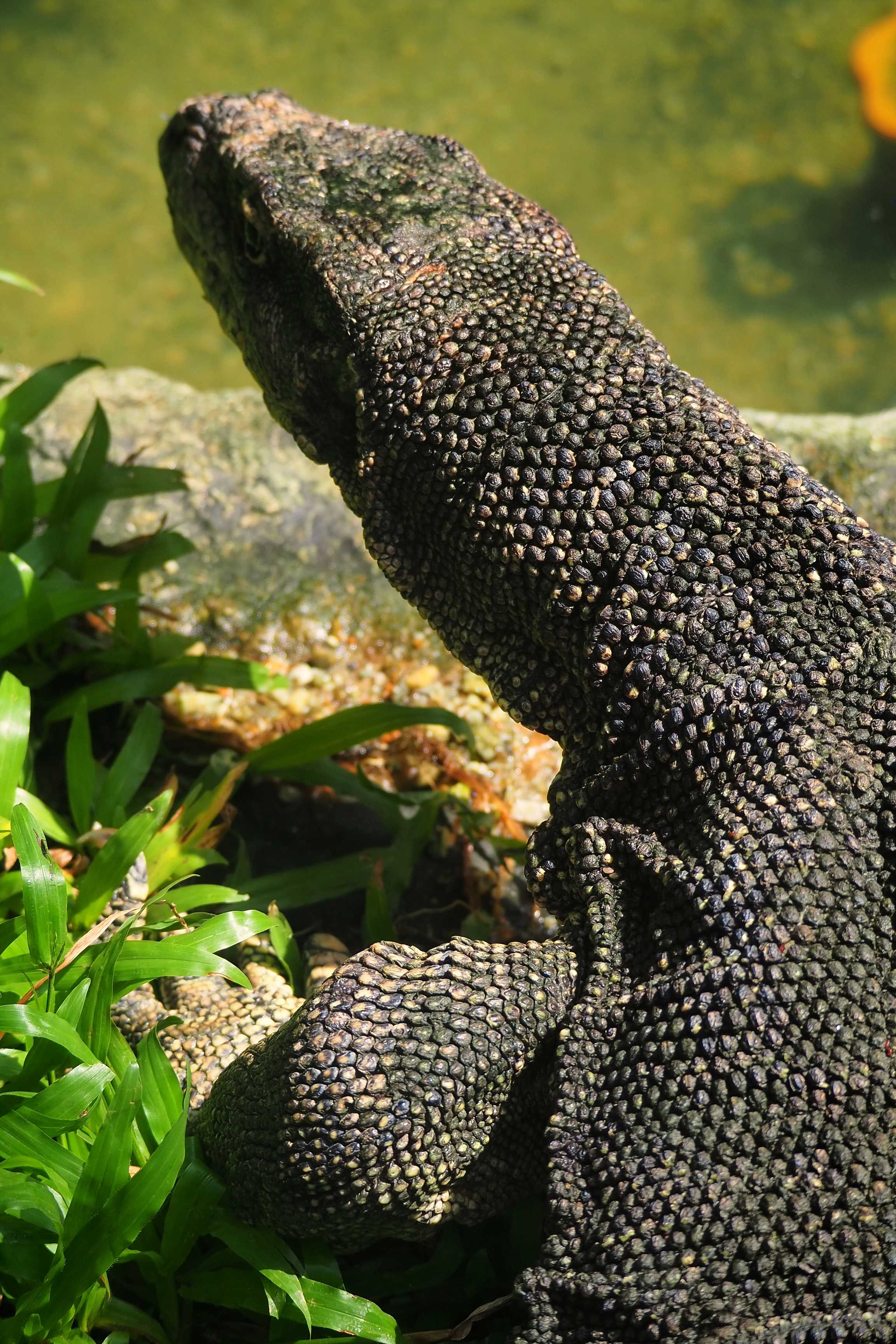
The Asian water monitor (Varanus salvator).

The inevitable Golden orb-web spider (Nephila pilipes). I feel like I meet her on every tropical trip... Females, much larger than males, build giant and complex webs to catch large insects, or even small birds... 


A much nicer clipper butterfly (Parthenos sylvia) resting on an Areca palm (Dypsis lutescens).

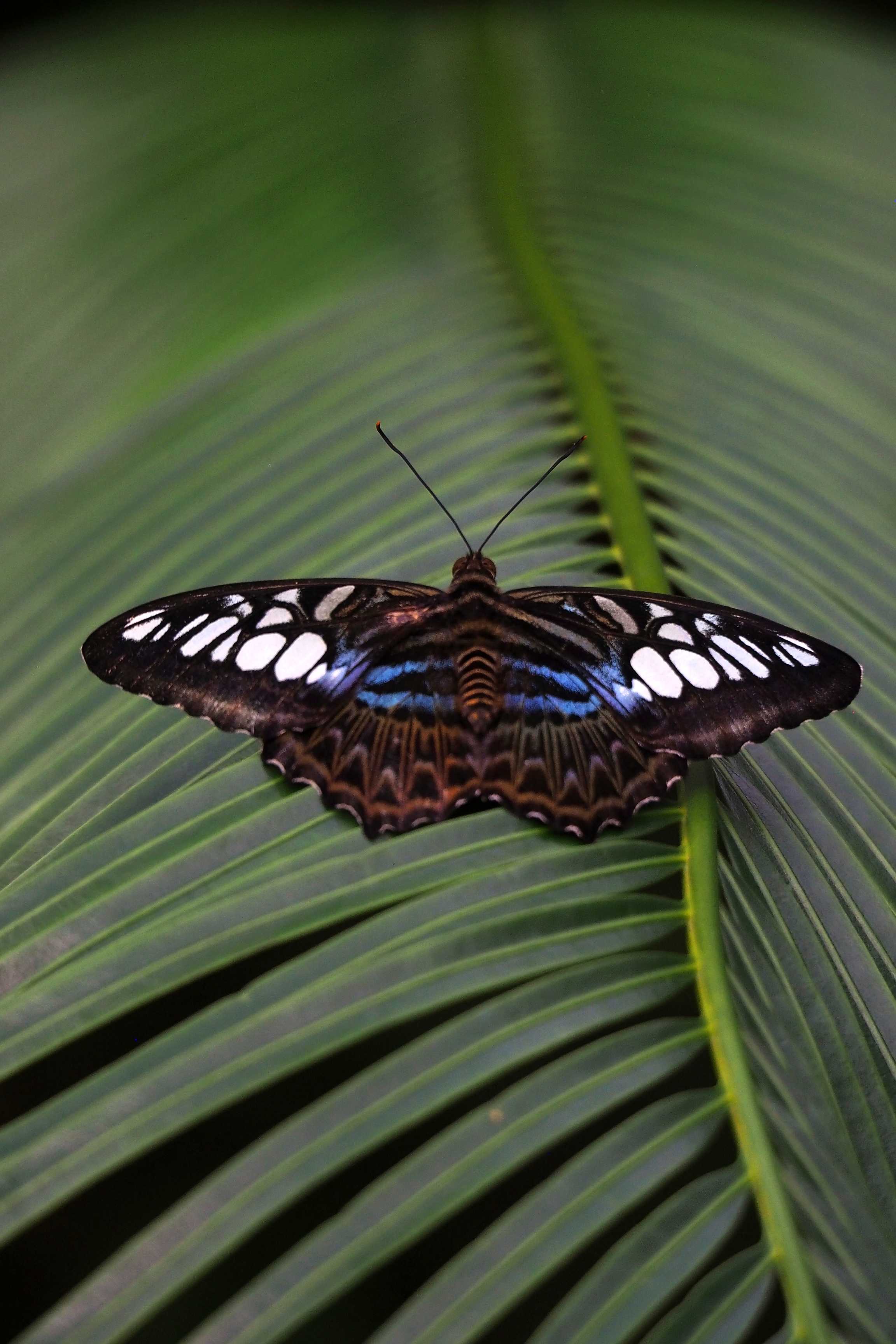
Here he is again on hibiscus then a stone.


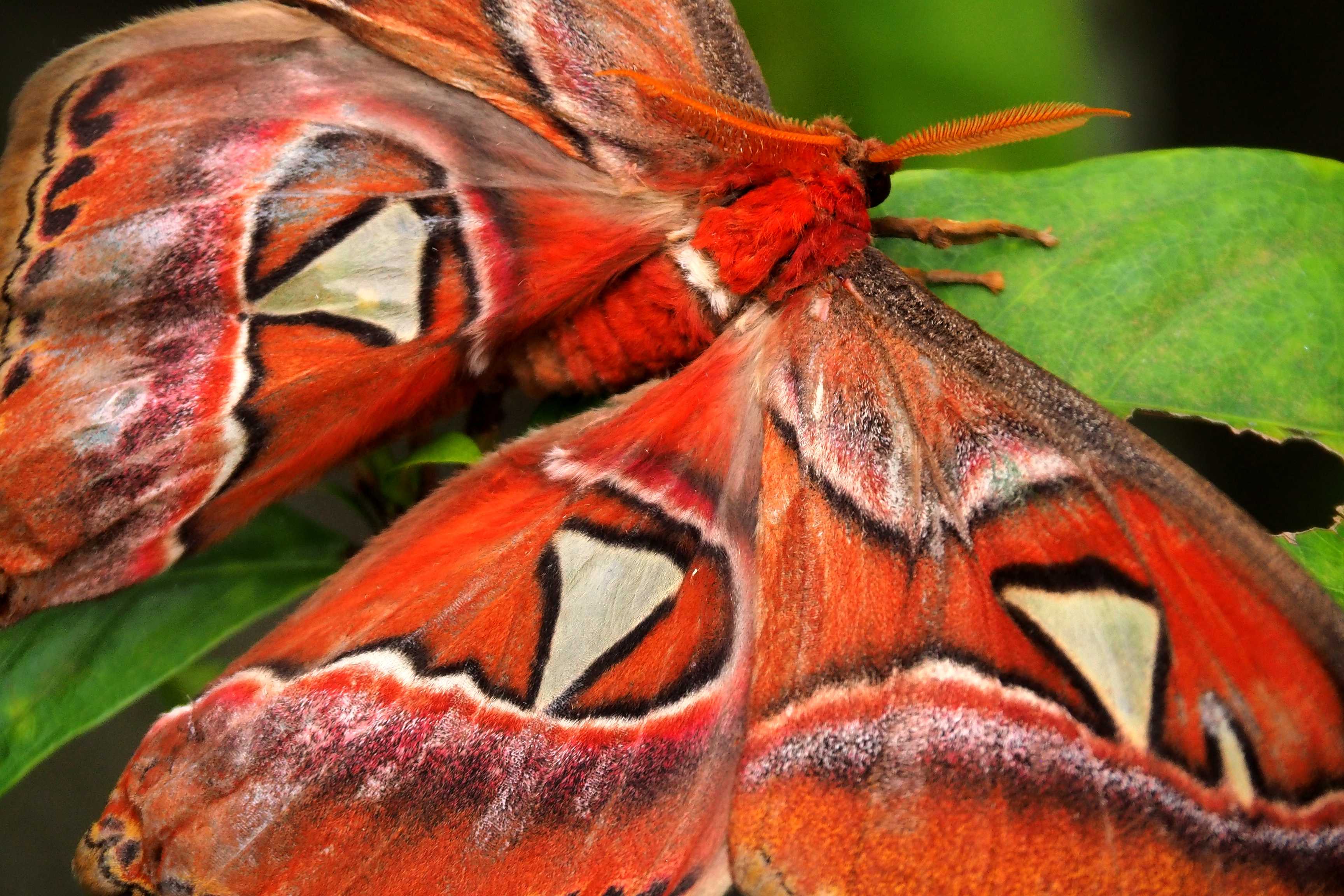
The Atlas moth. It is considered the largest moth in the world, with a wingspan that can reach 30 centimeters. The patterns and colors of its wings give it effective camouflage. Imitating the snake's head at the tip of its forewings is a defense strategy to scare off predators...

The adult Atlas moth having no functional mouth, it does not feed and lives on reserves accumulated during its larval phase. Its short lifespan of one to two weeks is entirely dedicated to reproduction. 
The Junonia almana or "Peacock Pansy". And the Cethosia cyane or "Leopard Lacewing"...


On the left, the common rose butterfly (Pachliopta aristolochiae) and its dark colors adorned with red and white marks. On the right, the frequent Clipper butterfly.


Two Kuhl's flying geckos (Ptychozoon kuhli) and a Smith's green-eyed gecko (Gekko smithii) recognizable by its green eyes contrasting with its gray-green body.


The Paper Kite butterfly (Idea leuconoe).

A Chenille plant (Acalypha hispida) and its long hanging inflorescences, bright red and fluffy. And a large purple orchid (Spathoglottis plicata).


Paper Kites on hibiscus.


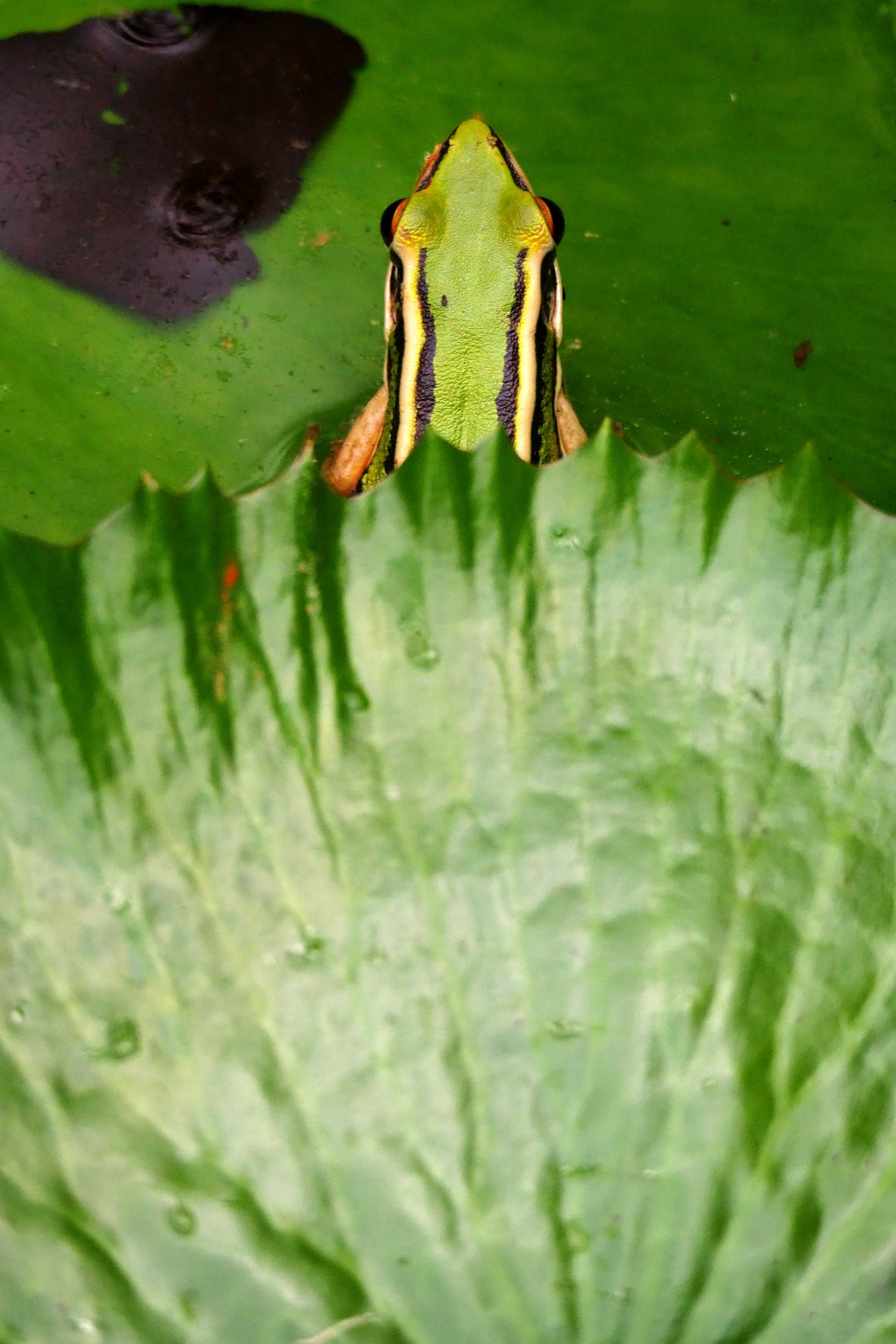
A green paddy frog (Hylarana erythraea) on its tropical water lily.

A heliconia rostrata (Heliconia rostrata).


We pass into "The Cocoon" educational and playful part of Entopia.
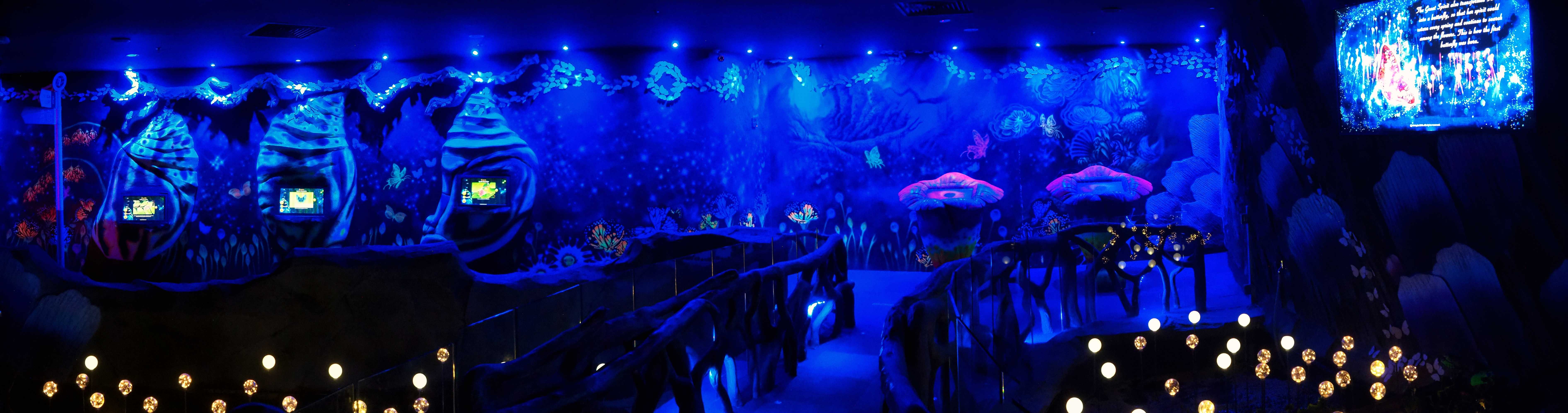
Giant grasshoppers. The Mecopoda elongata, also called Malaysian bush cricket. It camouflages perfectly thanks to its green or brown color. And the giant leaf katydid (Pseudophyllus hercules) is a master of camouflage with its wings with veins and texture almost identical to those of the surrounding vegetation.


The Madagascar hissing cockroach (Gromphadorhina portentosa), is one of the largest species of cockroaches in the world. Unlike most cockroaches, it has no wings and is famous for its ability to produce a hissing sound by expelling air through its spiracles, a unique defense mechanism.


Gray's Stick Insect (Haaniella grayi) native to the island of Borneo. Unlike stick insects that imitate thin twigs, it pretends to be a dead branch, covered with lichen or thorns. Its legs with flat extensions resemble dried leaves perfecting the illusion even more.


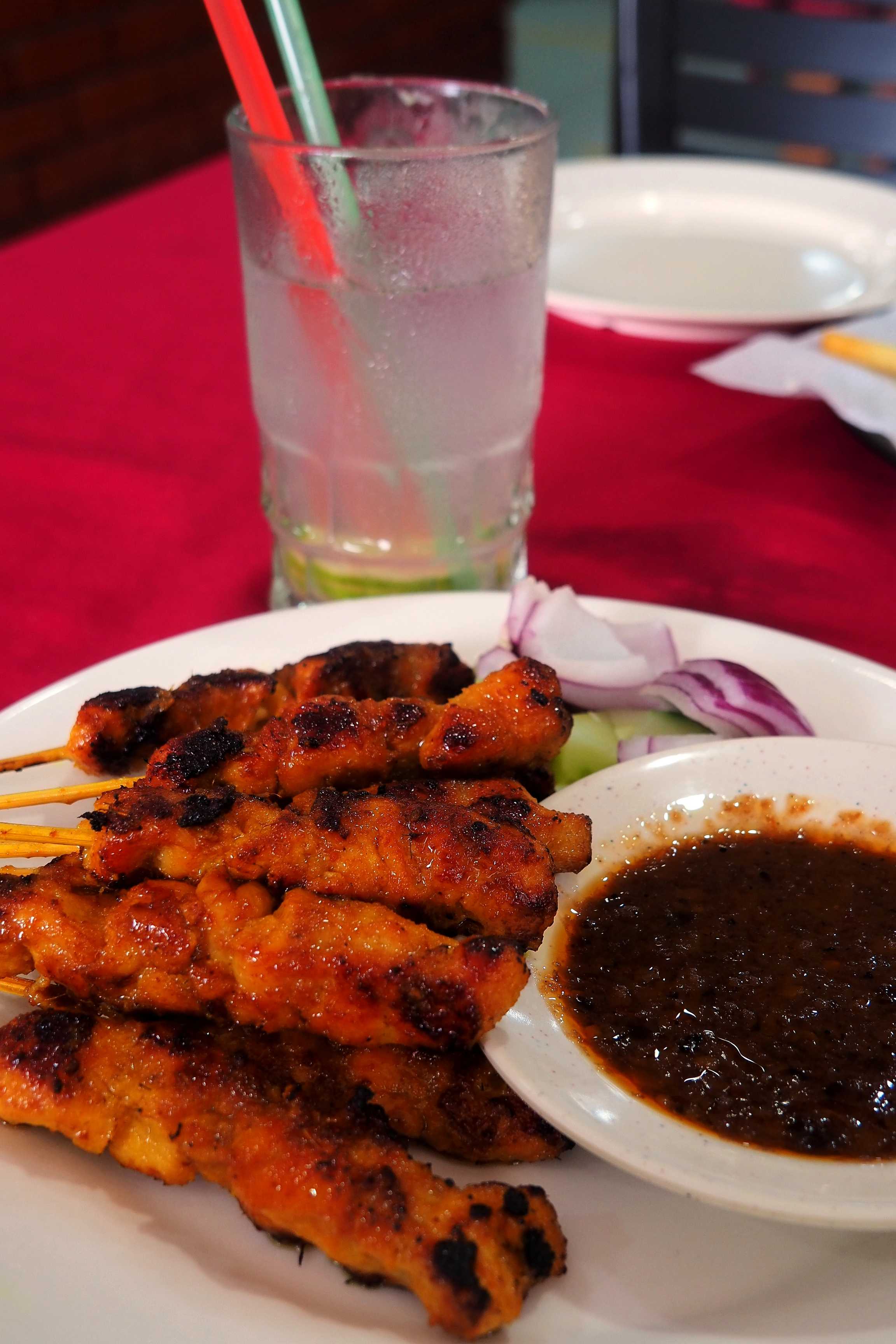
And this is how we abandon the world of insects for that of poultry by going to lunch in a restaurant offering among other things chicken satay... 


Pinang Peranakan Mansion
Back in the city of George Town, and more precisely in front of the Pinang Peranakan Mansion.


The Pinang Peranakan Mansion was the residence of Chung Keng Quee, a wealthy 19th century Chinese tycoon and leader of the Hakka community. This mansion is a testimony to the opulent lifestyle of the Peranakans, a unique community born from the mix of Chinese, Malay and British cultures. The building itself combines Chinese woodwork, Scottish ironwork and English floor tiles...


The main reception hall.
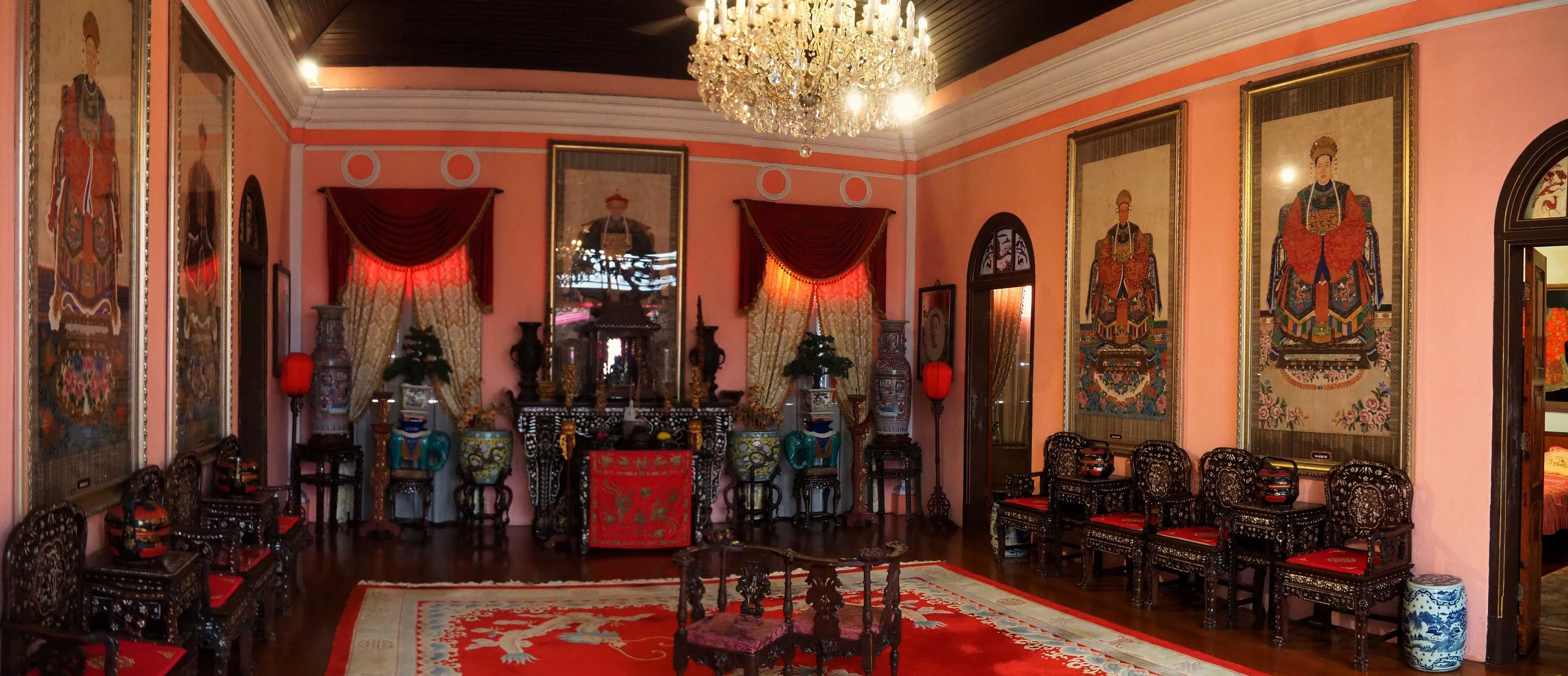
The Peranakan wedding bed, creating an intimate and private space for the new couple... This Peranakan lady whose portrait is hung in this room may have enjoyed it... 


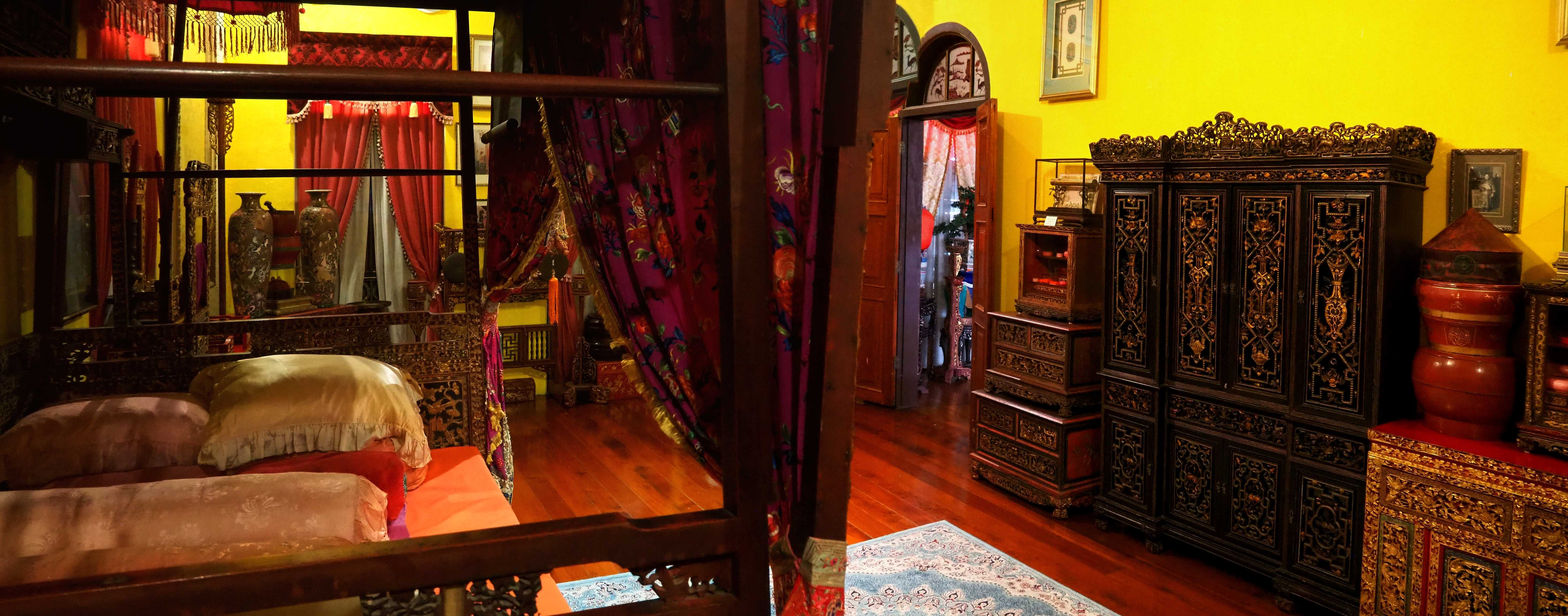


Portraits of the emblematic figures of the residence. On the left, Chung Keng Quee, the patriarch and builder of the premises. He is represented there in his official outfit of "Kapitan Cina", an influential title given by the colonial administration to the heads of the Chinese community. On the right, his main wife, Foo Teng Nyong, the matriarch. She is adorned with her finest jewelry, symbols of the wealth and status of this Peranakan family.


The mansion is a time machine. After the traditional clothes of the 19th century, it is the everyday objects of the 20th century that are exhibited.


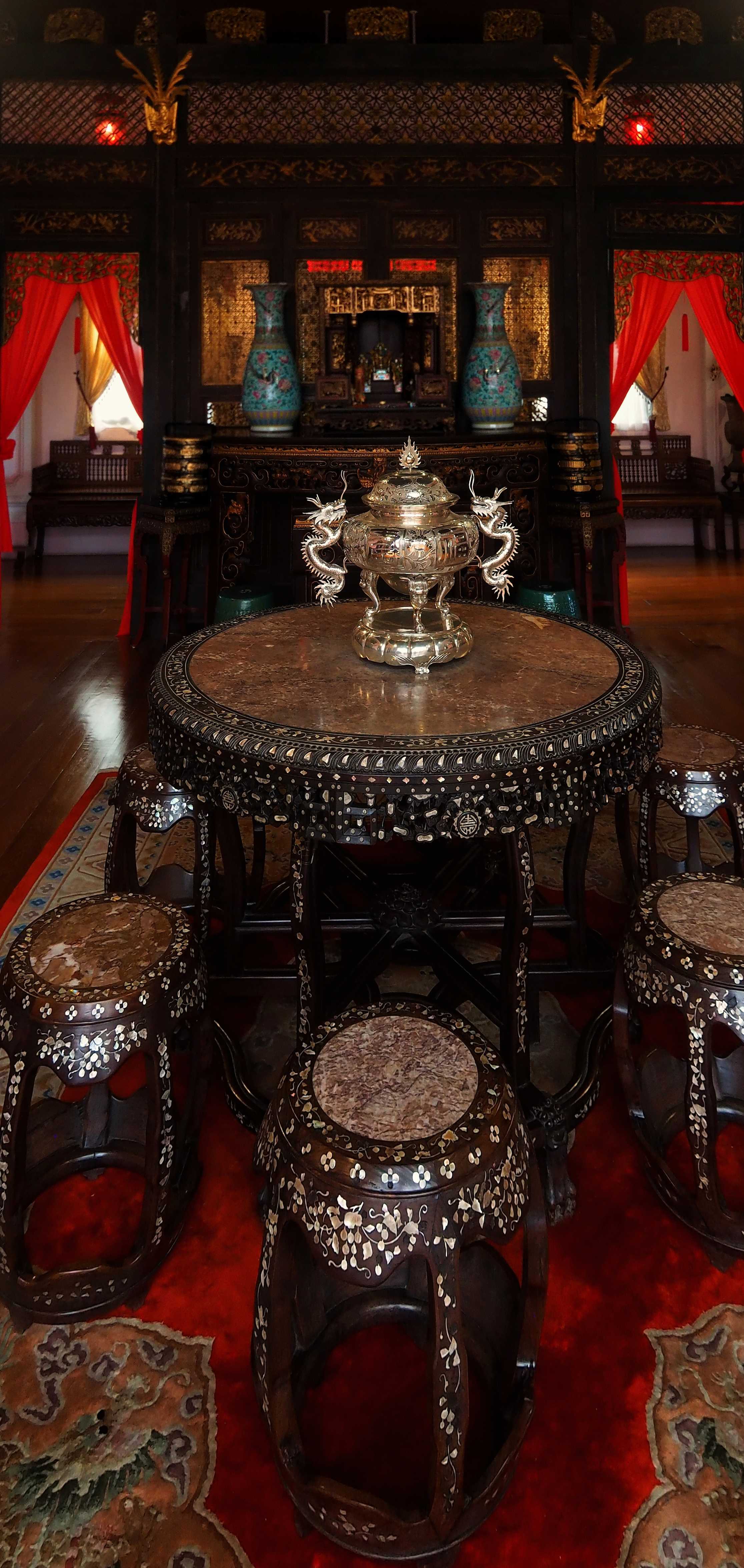


The inner courtyard in all modesty with its fountain and its mythological bas-relief.


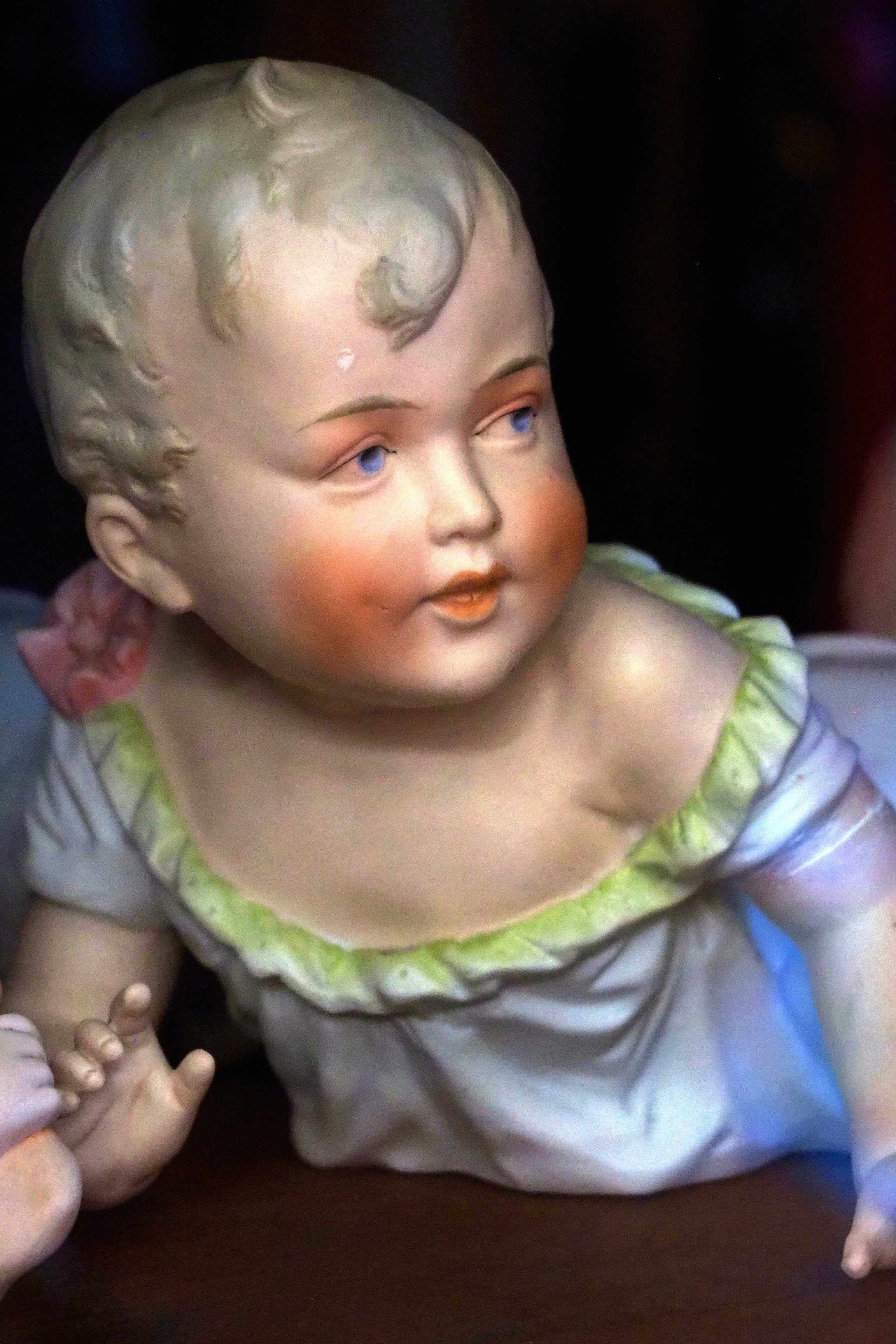
"Small" collection of porcelain bisque dolls in this cabinet of curiosities...



Peranakan wedding ceremony. The bride, ("Nyonya"), dressed in the traditional Peranakan wedding attire and the groom, called Baba, pose for this painting. Unlike his wife, he wears a Western tuxedo, norm for Peranakan men of the time. This signified their status, education and integration into the modern world of commerce and British colonial administration.
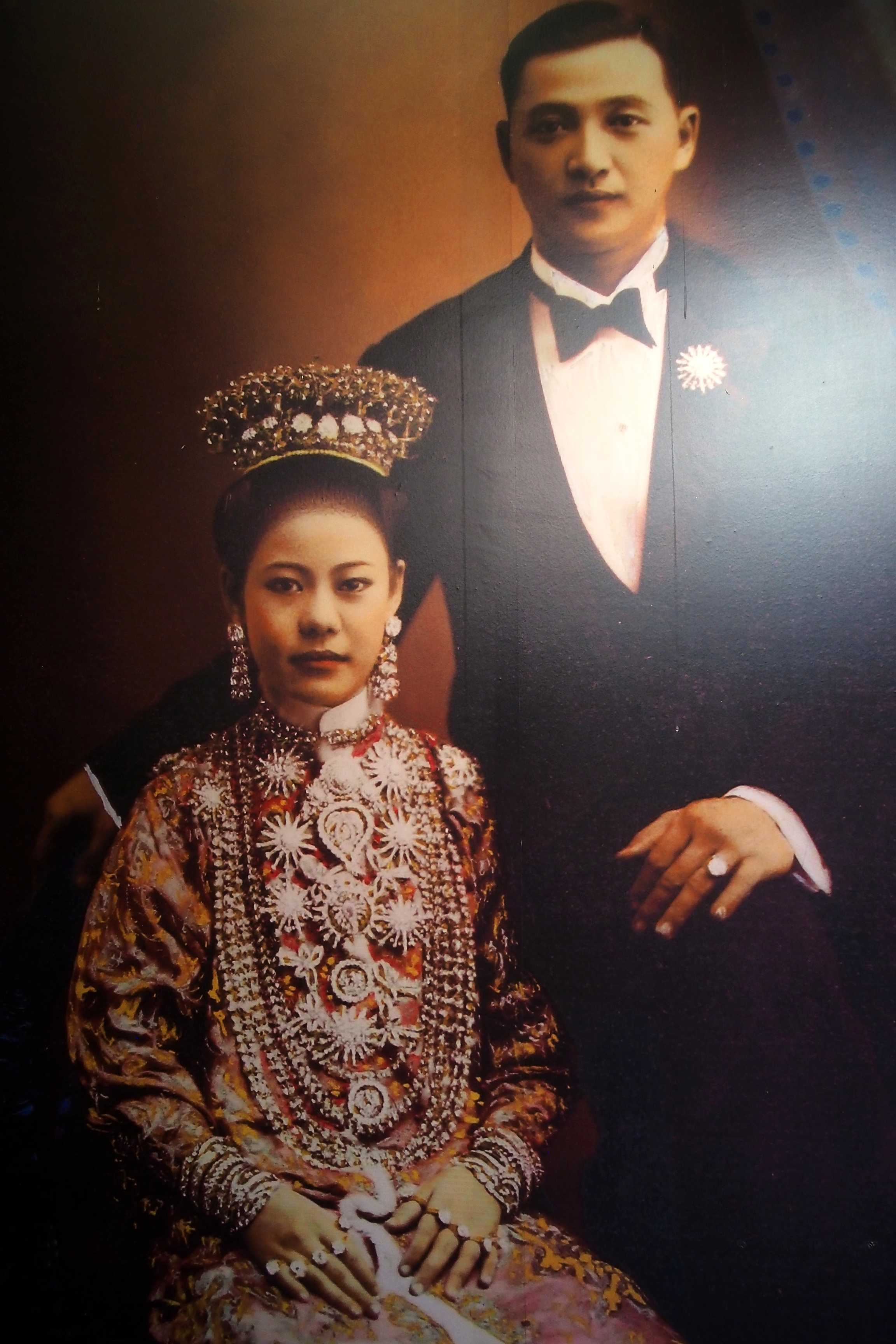
Photo shoot. This time, we are indeed in 2024. Real bride or just pleasure to dive into the past for the time of a costume? 


Marking George Town
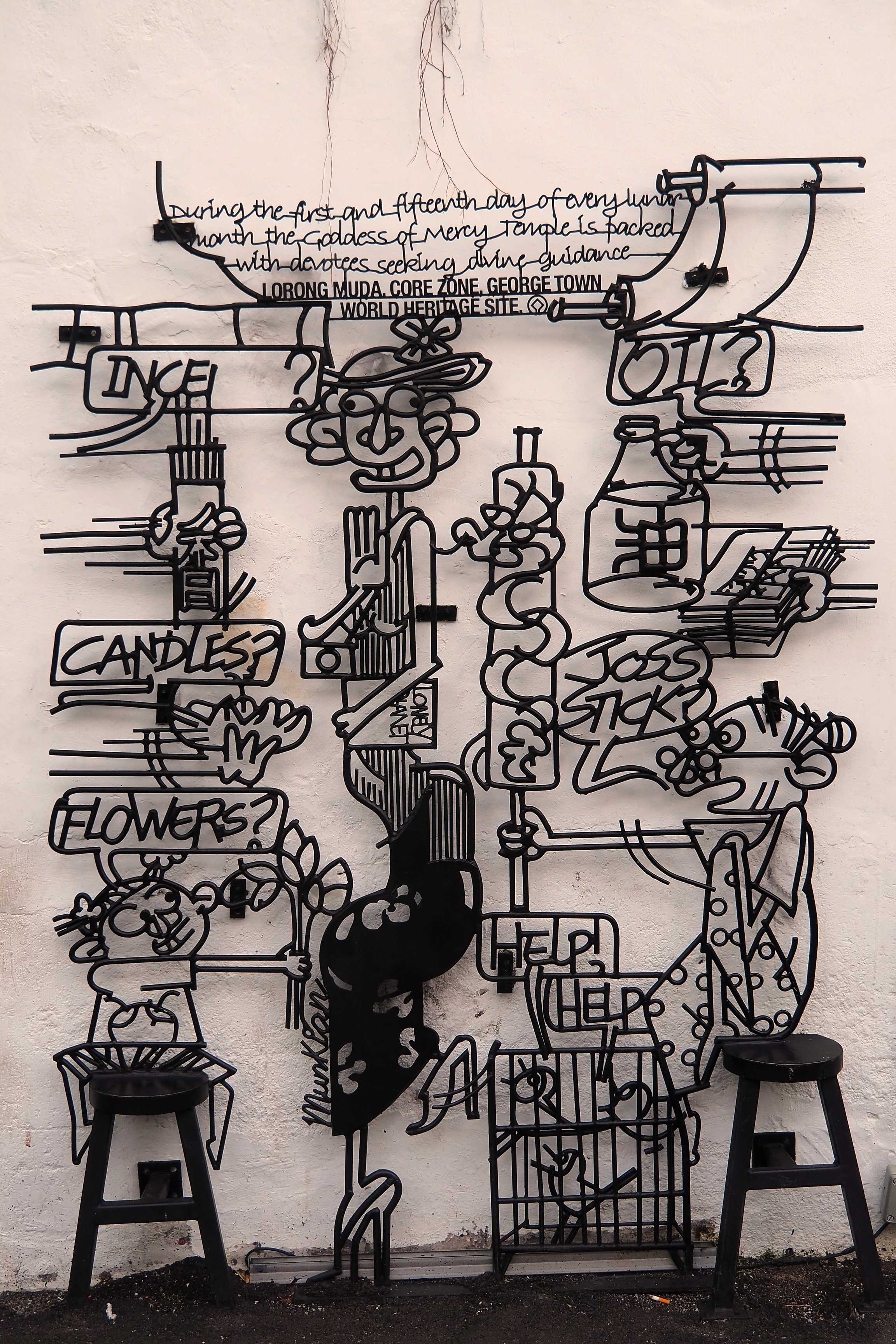
Let's leave this time capsule to wander through the decorations not of the houses, but of the streets, rearranged by artists who came to embellish the streets of George Town. As part of its UNESCO World Heritage listing, George Town launched an international competition in 2009 titled "Marking George Town". These sculptures tell the history of the streets and local communities with a touch of humor. The company Sculpture at Work, under the direction of local artist Tang Mun Kian, won this project with the theme "Voices of the People". Since 2010, this project counts 52 steel rod sculptures.


"Hoooo, think I climb up the wrong tree". This talks about "toddy" or palm wine, an alcoholic beverage obtained from the underdeveloped flower of the coconut tree, traditionally consumed by Indian workers.
"NEXT... HERE, HERE, AND HERE!" and the rickshaws as much culinary guides as taxi. And Mahjong, the Chinese board game favorite pastime of the elderly, often nicknamed "the sparrow game" because of the sounds the tiles make when shuffled.


The work "Temple", located on Lorong Muda in George Town, captures the hectic and chaotic atmosphere around the Goddess of Mercy Temple. "On the first and fifteenth of each lunar month, the Goddess of Mercy Temple is filled with devotees seeking divine guidance". The scene depicts vendors insistently offering religious offerings: incense, candles, flowers, oil and joss sticks.

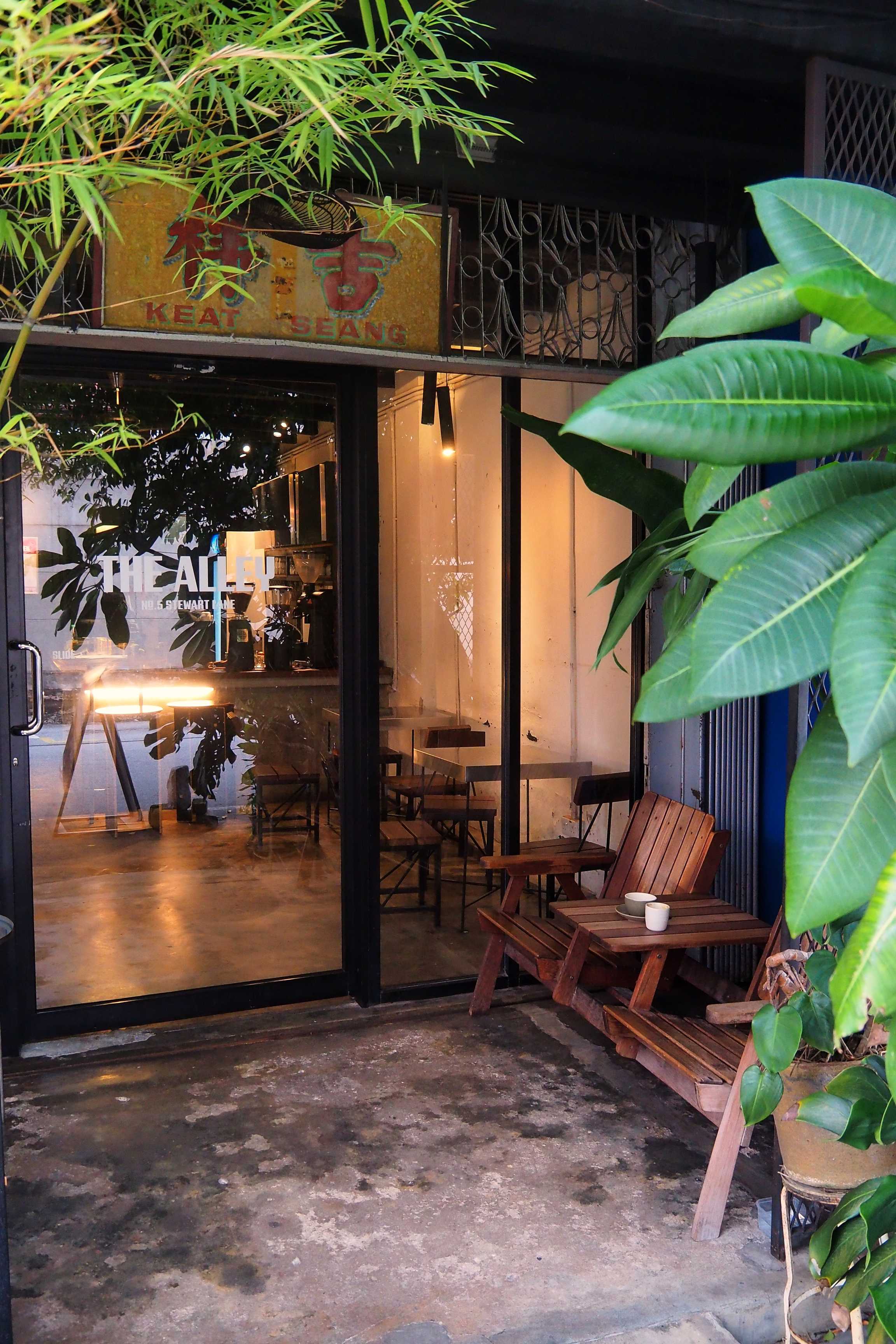
Coffee break at "Keat Seang".

The manufacture of incense sticks, or "joss sticks", ancestral know-how that persists in the streets of George Town.


Kuan Yin Teng Temple
The walk passes by the Kuan Yin Teng temple.

The Goddess of Mercy Temple, or Goddess of Mercy Temple, is a historic Taoist edifice. Founded in 1728, it is dedicated to Guanyin, a bodhisattva revered as the Goddess of Mercy.


A multitude of prayer plaques, deposited by faithful to request protection, luck or to appease a deity during the Year of the Snake in 2025.


The divination slip (Kau Cim ) number 39 promises success through constant efforts.

This stone stele is a "Commemorative Stele of the Renovation of Guang Fu Gong Temple". Its engraved red characters list the donors who contributed to the renovation of the temple.


Ksitigarbha Bodhisattva (Dìzàng Púsà), a major figure in East Asian Buddhism. He is recognized by his long staff, a khakkhara, which symbolizes his power to open the gates of hell. His Bodhisattva crown and serene expression emphasize his commitment to delaying his own enlightenment to liberate all suffering souls, thus manifesting his great vow to empty hell...
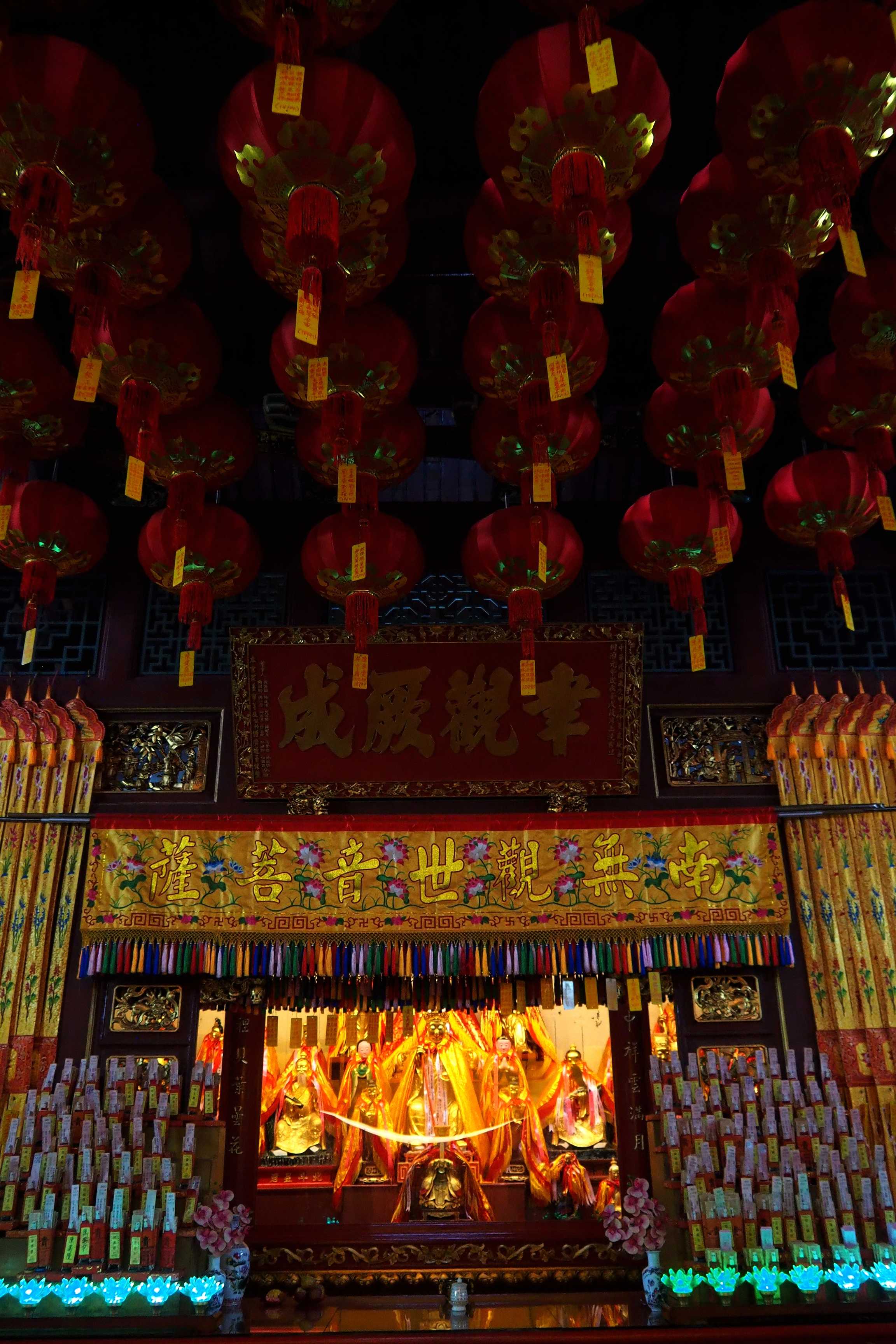

Outside the temple, exchange of offerings between the priest and the faithful.


Back to street art. Here, it is a hawker preparing noodles, a dish called "wantan mee" or "tok tok mee". The name "tok tok" is an onomatopoeia, referring to the sound vendors made by tapping on a hollow bamboo piece to announce their presence and attract customers.


This large white colonial architecture building houses the Kapitan Keling mosque, the oldest in George Town, founded in the early 19th century by Indian Muslim merchants.

A new wire sculpture, work of Reggie Lee, titled "Ah Quee?". It illustrates the origin of the street name, named after Kapitan Chung Keng Kwee. The text explains that this 19th century Chinese leader donated his house to facilitate road access and ensure leaving his name for posterity. The sculpture features a British colonial official struggling to pronounce the Chinese name, while a local is amused.


We continue down "Ah Quee Street" and arrive at one of the most photographed murals in George Town, work of Ernest Zacharevic: "Boy on a Motorbike". Ernest Zacharevic, Lithuanian artist, transforms urban surfaces into open-air art galleries. He combines painting with street furniture thus bringing his creations to life.

The mural "Boy on a Motorbike" has been creating an illusion since 2012 with this young boy wearing a helmet nonchalantly riding his 125cm³ motorcycle Minsk MMVZ-3.112.


And if you saw on the first photo a small dinosaur chasing the motorcycle, you were not mistaken. He is there and fortunately, held on a leash by another child... this "Little Boy with Pet Dinosaur" is also a production of Ernest Zacharevic.


Giant cigarettes crushed on the wall...


On the opposite wall, at number 27, the artist Addison E.D. painted "The Patriot" dressed in a Malaysian flag.


And the series of wild frescoes continues, by known or unknown artists.


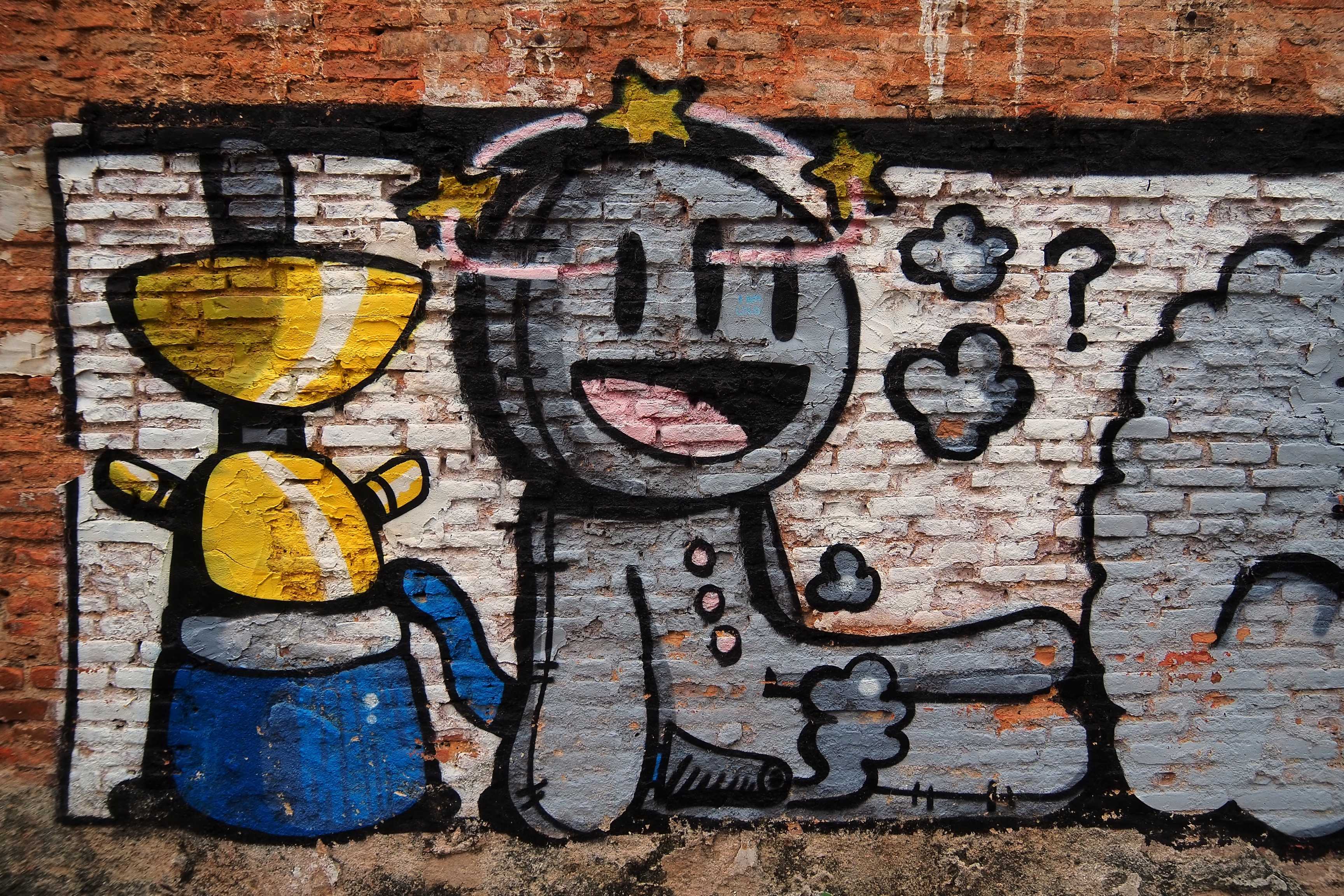
The streets are not only decorated with paint.

"Double Role" illustrates that before 1909, the police also acted as firefighters. The scene depicts a Sikh policeman, identifiable by his turban, struggling with a fire hose.


Here is precisely the Central Fire Station (Central Fire Station), built in 1908, with its Mercedes-Benz "BOMBA" truck ready to intervene.


In the street next to the fire station.


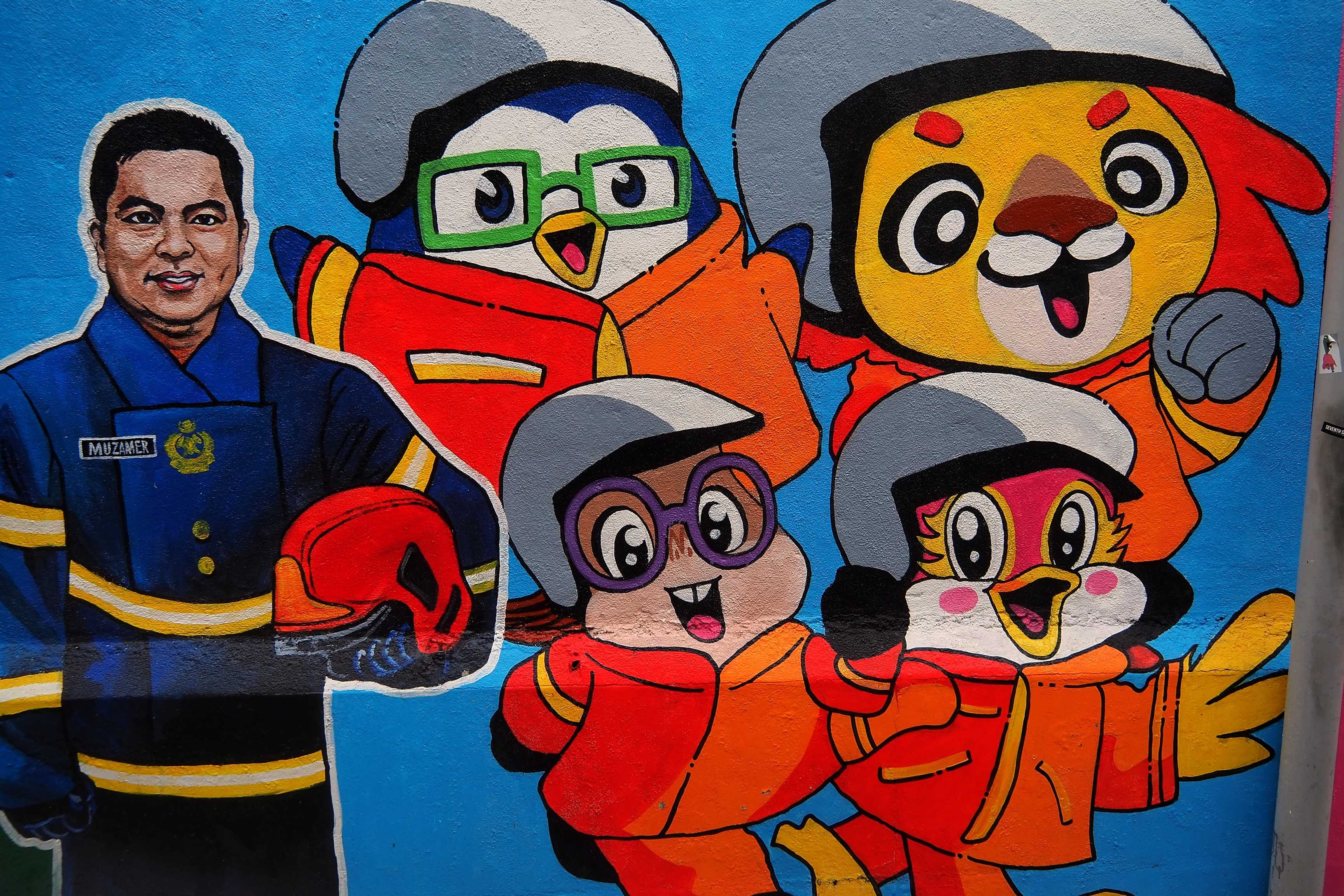
Officials are honored.


Even politicians have the right to their portrait in uniform:
- Chow Kon Yeow, Chief Minister of Penang
- Dato' Seri Anwar Ibrahim, Prime Minister of Malaysia
- Nga Kor Ming, Minister of Local Government Development


Some rickshaws roam the city.


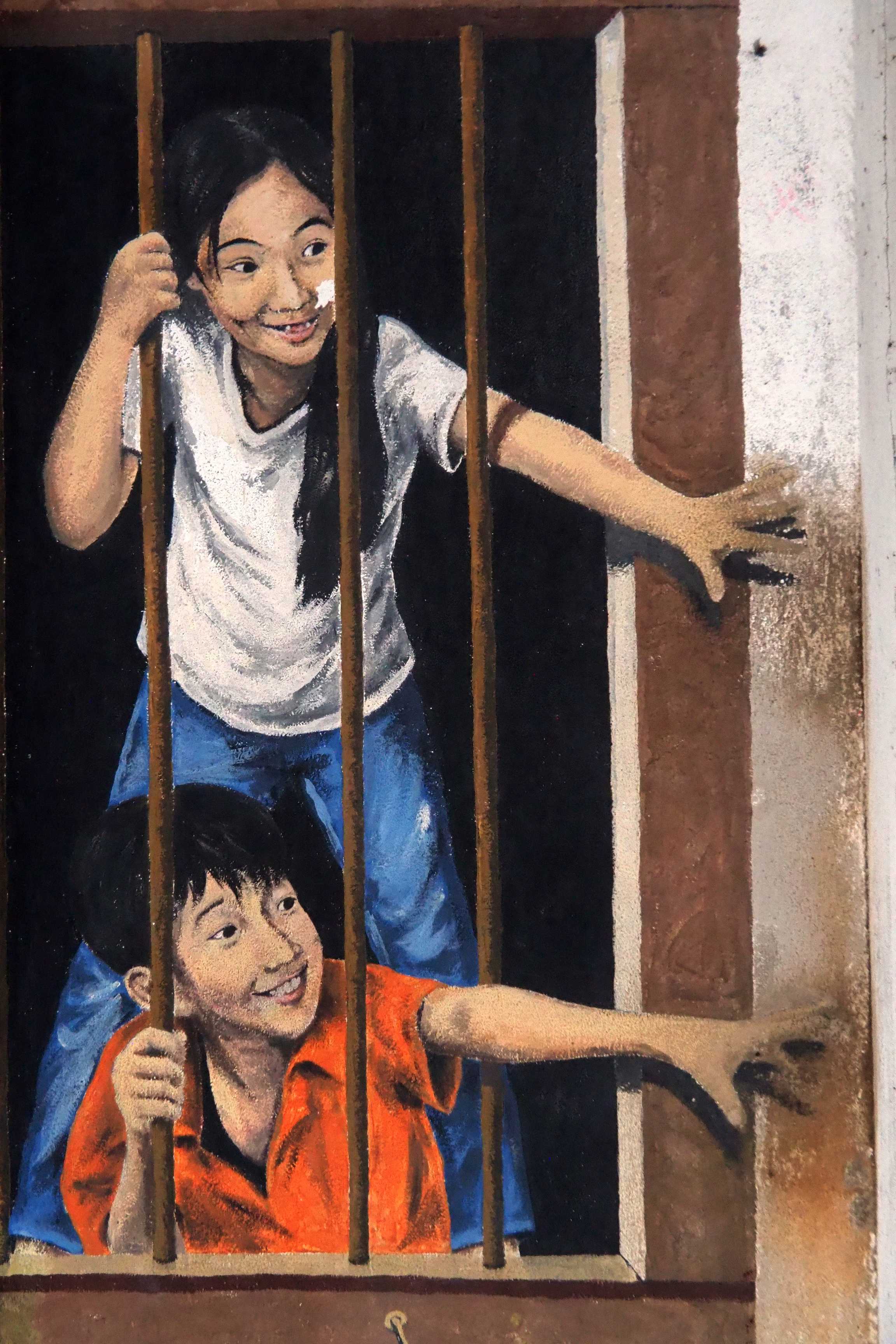
New drawing by Ernest Zacharevic: "I Want Bao". These children try to grab "Baozi", small stuffed buns steamed before they escape on this bike.



We arrive on Armenian Street where the most instagrammed drawing of the city and perhaps the country is located. Ernest Zacharevic presents "Little Children on a Bicycle" where the fresco of the two children straddling their bike, fits perfectly into the aging gray wall. All that remains is for tourists to come and join the scene to immortalize a snapshot to share all over the world... 


After two children and a bike, here is a child and two scooters.

"Too Narrow" on Soo Hong Lane, the narrowest alley in George Town where rickshaws get stuck... And "Procession" which evokes the Great Procession of Chariots of Tua Pek Kong Hneoh which takes place every Year of the Tiger to chase away bad luck.


No need for paint for this street and its canopy of umbrellas...


The Aceh Street Mosque, built in 1808 by Tengku Syed Hussain Al-Aidid.


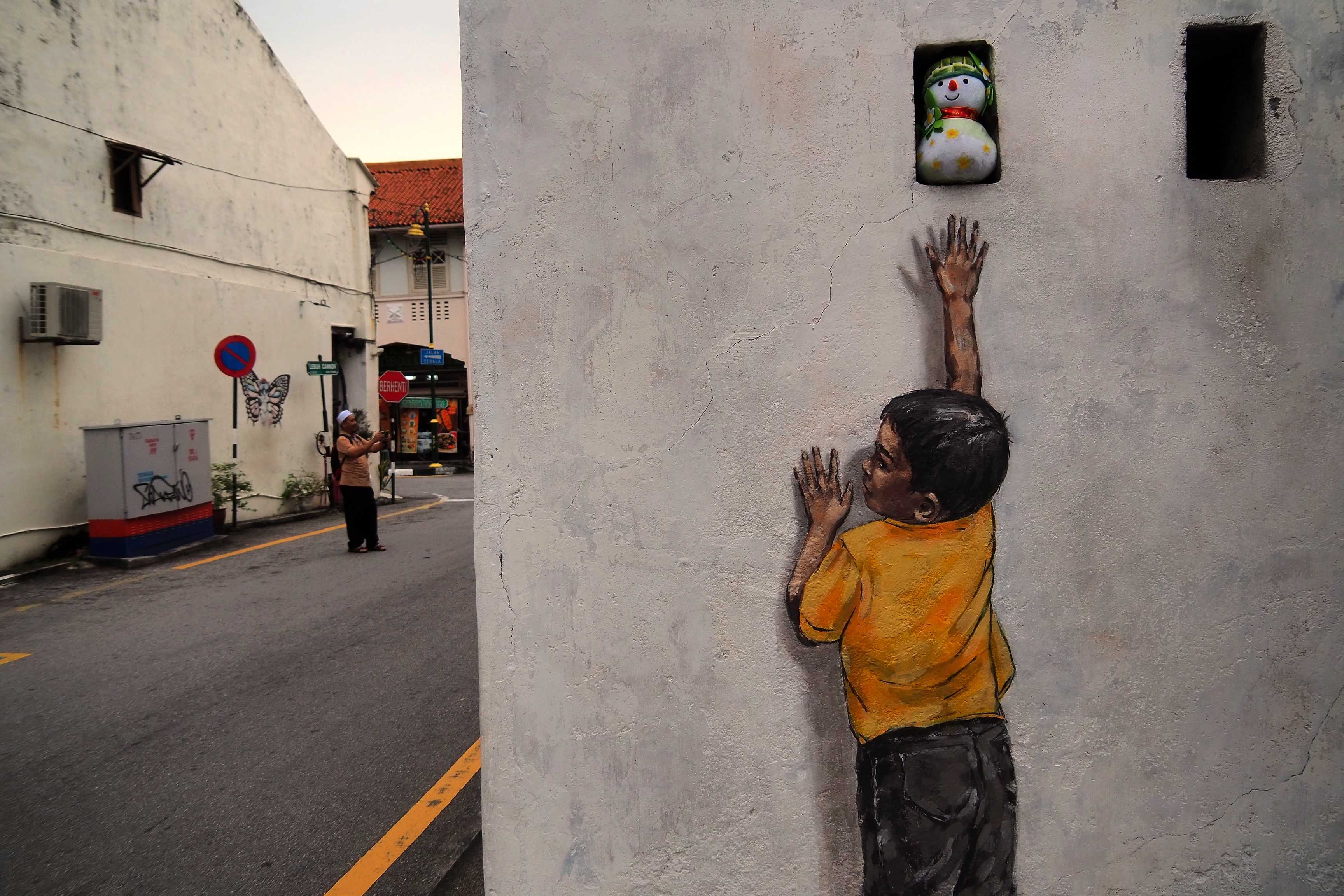
At the bend of an alley, a new fresco by Ernest Zacharevic "Boy on chair" stages a little boy perched on a real wooden chair. His hand tries to reach an object installed in this small niche, the only element that varies in the decor. On this November day in 2024, it is a snowman taking the role.


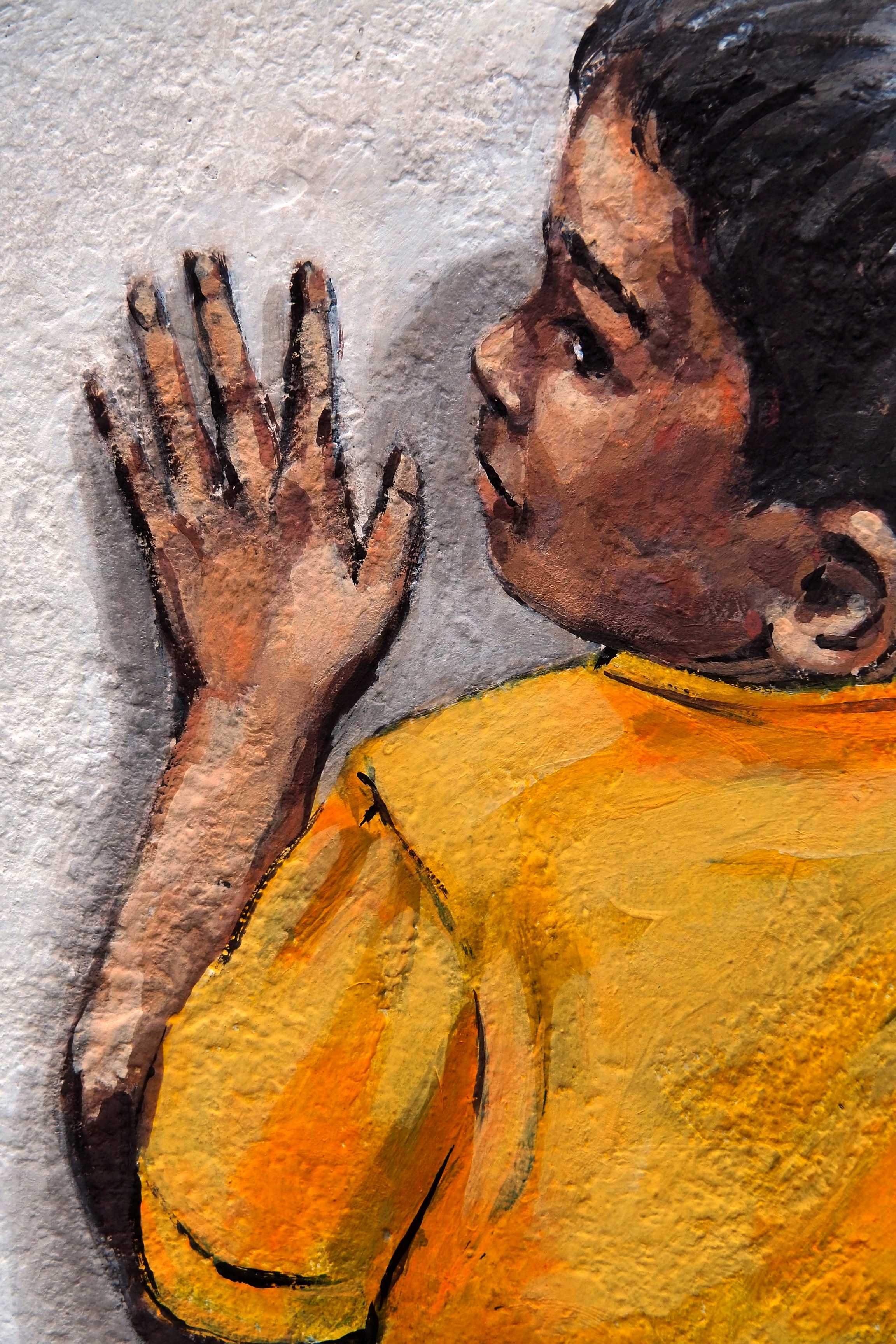
In the perpendicular street, a big ginger cat watches the child, the chair and the little snowman...


At Cannon Street, we find the forged series by Tang Mun Kian. This time, the work is inspired by the Penang riots of 1867 where an artillery shot had created a huge hole in the ground, giving the name to this street.


Not all works are entitled to a refresh or restoration. This one waits wisely for its turn.

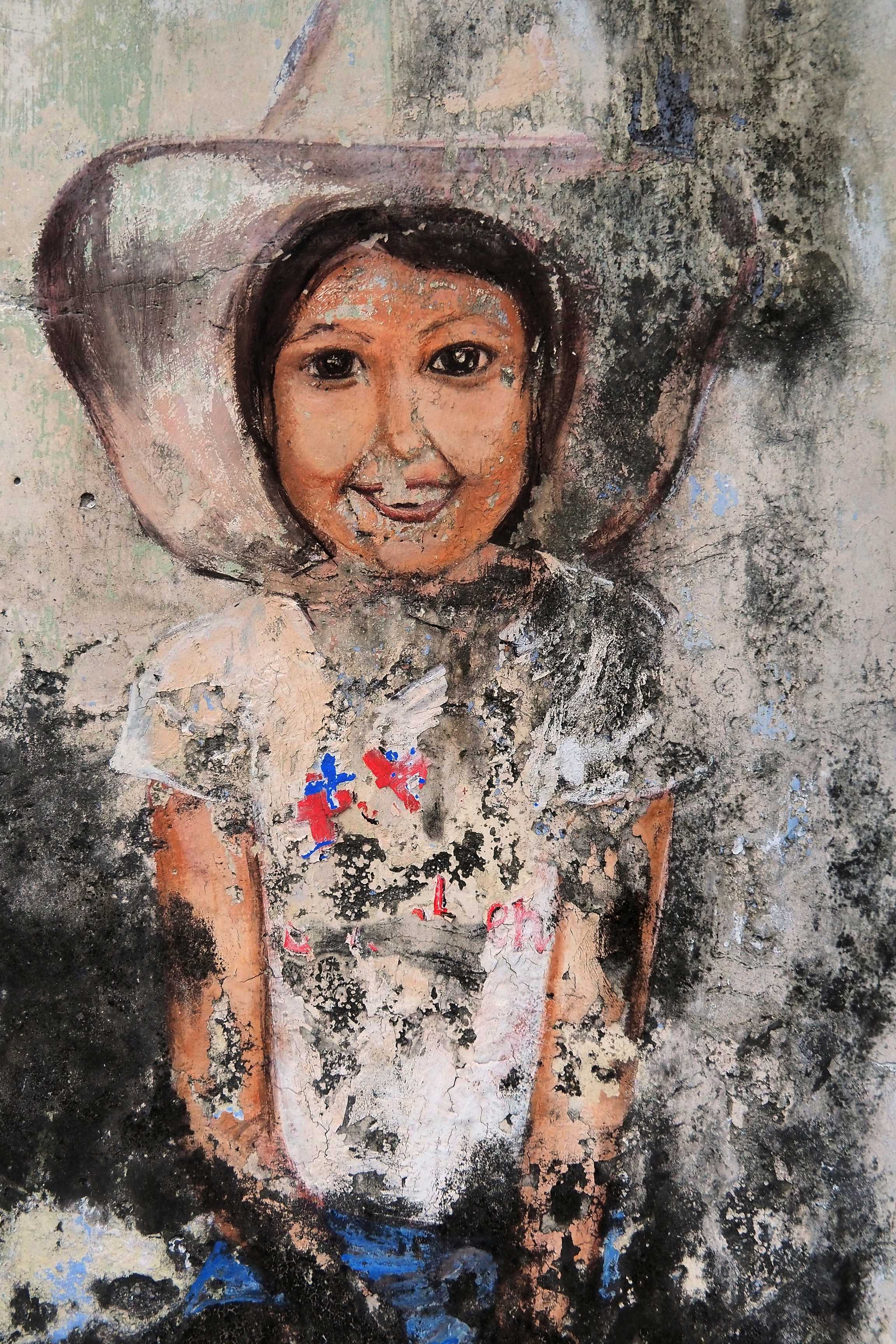
Street art sometimes hides in the details. You have to have an eye or a little luck to come across those that blend more or less into the urban decor and where you least expect it.


New passage in front of the little boy who cannot discreetly recover the "unmeltable" snowman...


At 11 cannon street, there is an attempt to steal two little chicks. Let's hope they won't be offered to the little cat adept of the least effort located below...


The day falls and the minarets remain impassive.


Tang Mun Kian's wires continue to tell the story of the city. Here, it is Nasi Kandar that is highlighted. This emblematic dish of Penang is composed of rice accompanied by various curries and meats served at will. It was created by Tamil Muslim street vendors.


These faces undoubtedly honor the Orang Asli, an indigenous community that we met during our little trek in Tama Negara.


Our city hike takes us to the edge of the strait, to the "Clan Jetties". These are traditional villages on stilts, erected as early as the 19th century by Chinese communities. Each jetty, named after a family clan, is a testimony to the social organization of the first Chinese immigrants in Malaysia.


We wander through these veritable alleys suspended above the water.
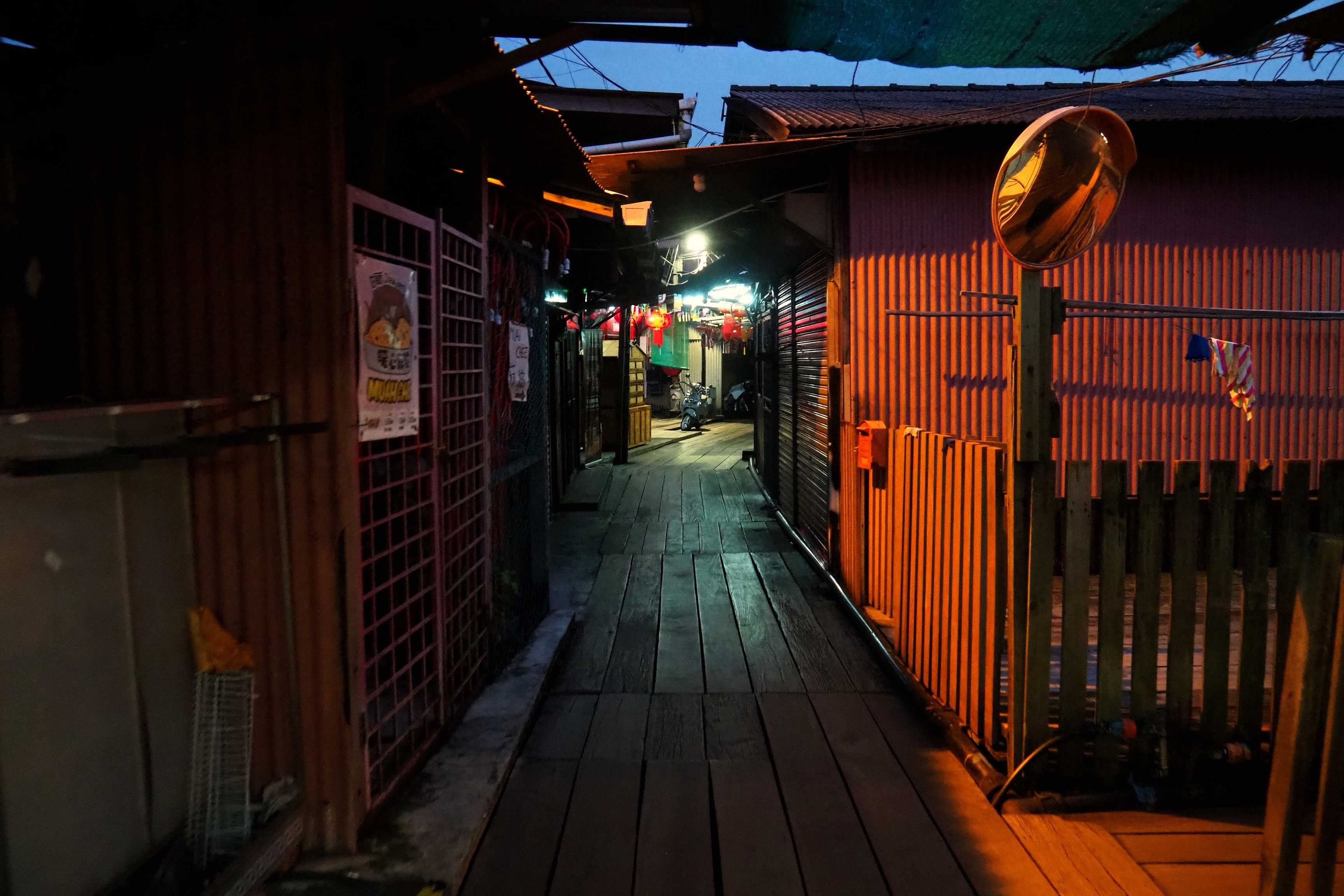
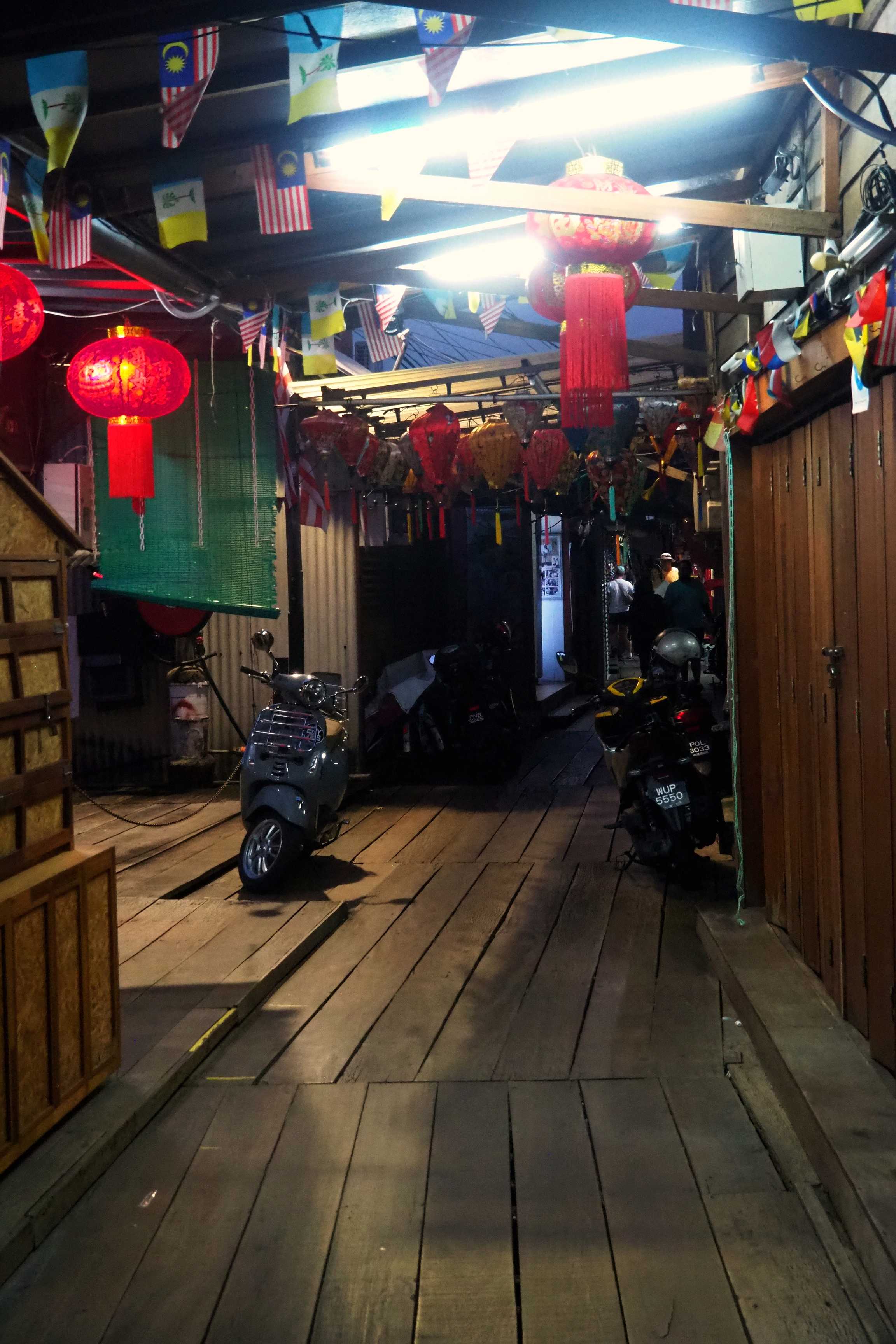

At the end of the jetty, onlookers remake the world facing the continent.


Just behind the jetties, small hawkers restaurants await passers-by looking for a quick dinner.

Thus ends our short stay on the island of Penang. Tomorrow, it is another island that we join, Langkawi!

Latest comments
On Guatemala 2018
Le 25 Novembre 2024
Significado de este mural
On Chile 2016
Le 15 Septembre 2024
Rrrrrr
On Egypt 2003
Le 1er Avril 2023
Et oui c'est bien nous aux pieds de ce Colosse !
Le 1er Avril 2023
Bien petits aux pieds de ce Colosse !
On Namibia 2014
Le 3 Août 2021
very good indeed