


 My blog


Tuesday26October
"Delphian" awakening in our small room at the "Sun View Pension" located at the far west of the city of Delphi.


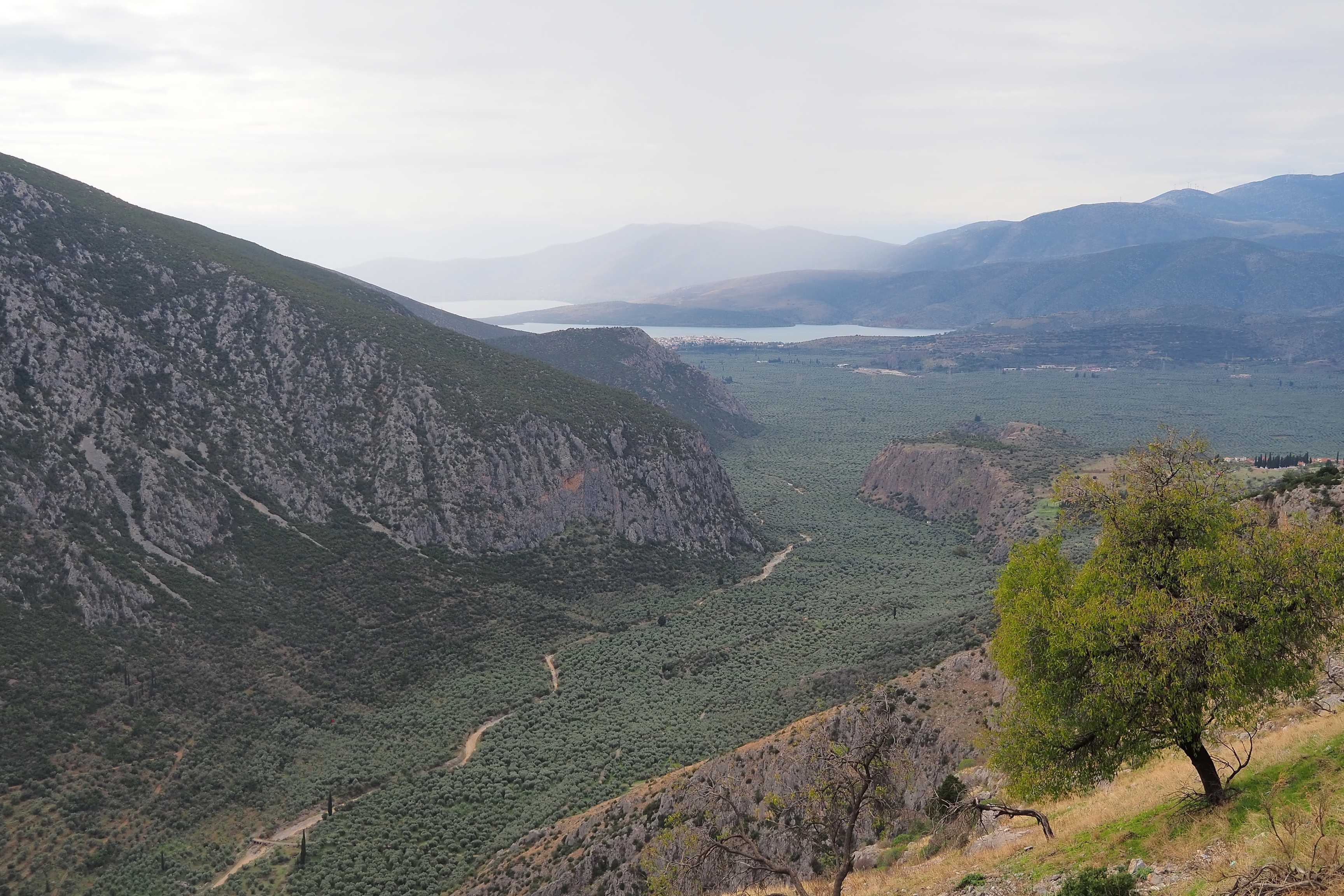
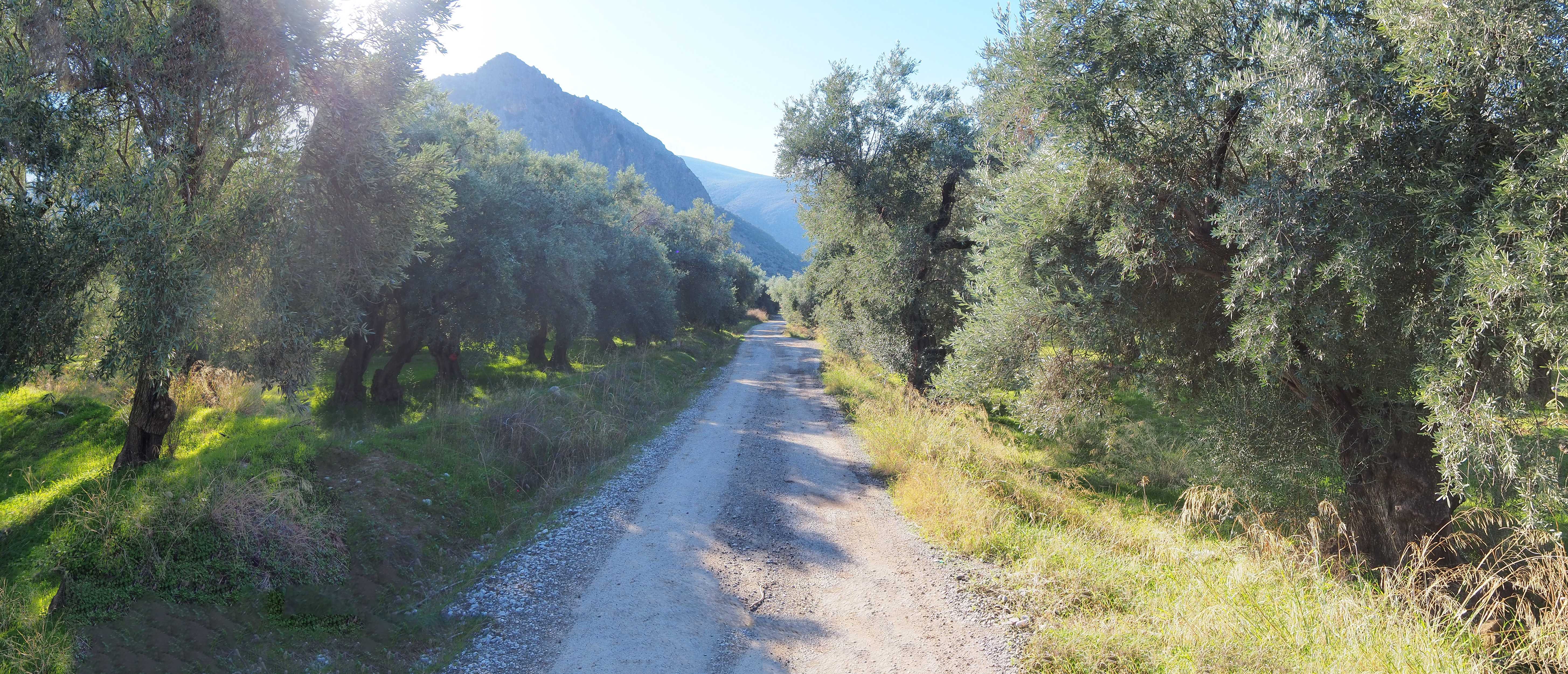
Delphi overlooks the valley that joins the town of Itea on the edge of the Gulf of Corinth.

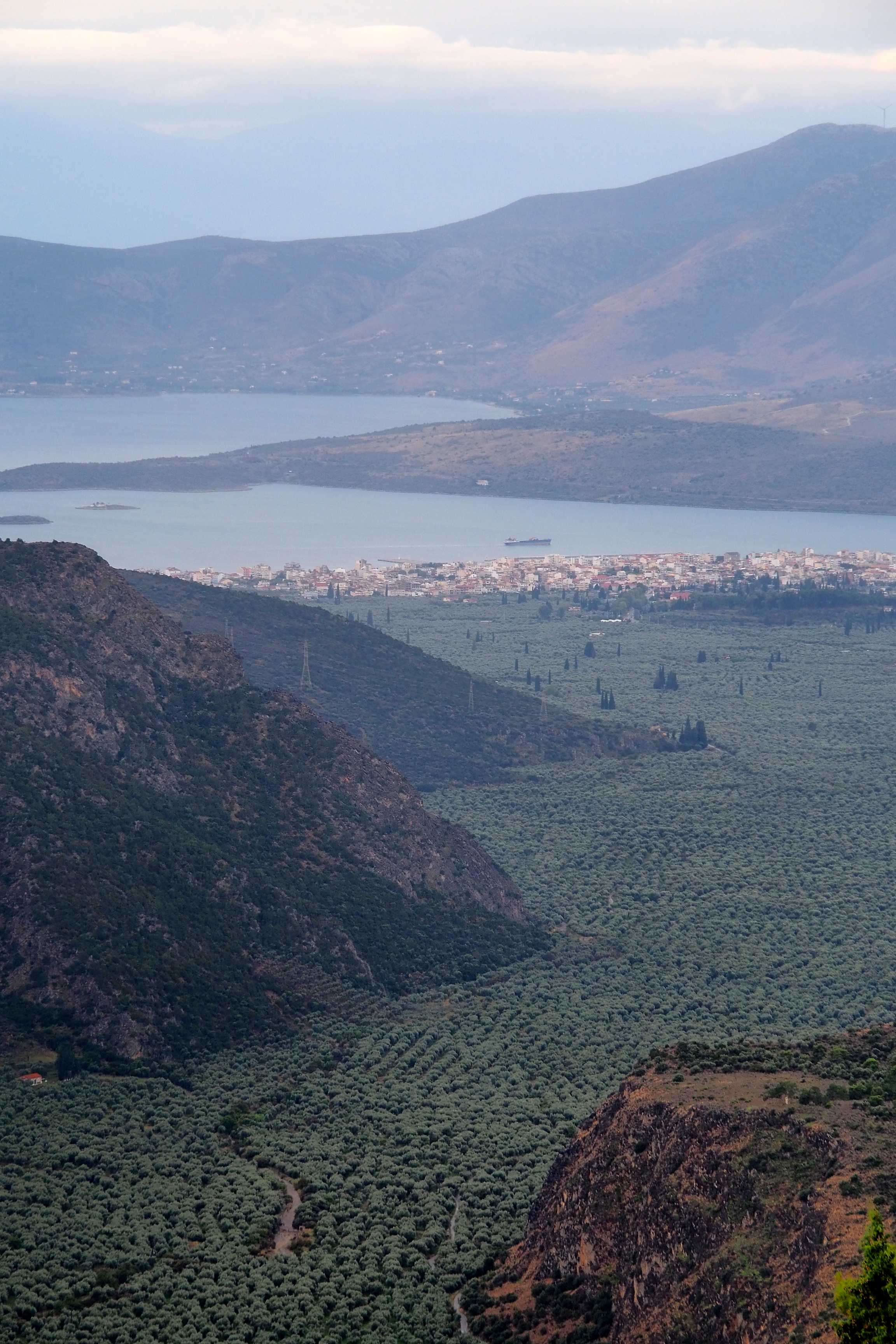
The valley is a huge olive grove.

We leave the hotel on foot to reach the archaeological site located at the far east of the modern city. The road passes by the church Agios Nikolaos.

The modern city was born little by little following the discovery of the ancient site located under the old village of the time, Kastrí, which was thus moved to carry out archaeological excavations.

The Panhellenic Sanctuary
Here we are in the ancient site called "panhellenic" because its influence exceeds that of its city. The sanctuary was undoubtedly born around the 9th century BC. In 1987, it entered the UNESCO World Heritage list.


The entrance to the ancient site begins with the "Sacred Way" which winds along the slopes of Mount Parnassus between the various monuments and "treasuries" of the city. A "Treasury" is a small building containing valuables, all dedicated to Gods.
Fully engraved stele. "Ancient Greek is the historical stage of the Greek language extending from the 9th century BC to the 5th century AD. The main language spoken and written in ancient Greece, it becomes the vector of ancient Greek literature which produces numerous literary and scientific works of lasting influence, including the Iliad and the Odyssey attributed in Antiquity to the legendary poet Homer." © Wikipedia


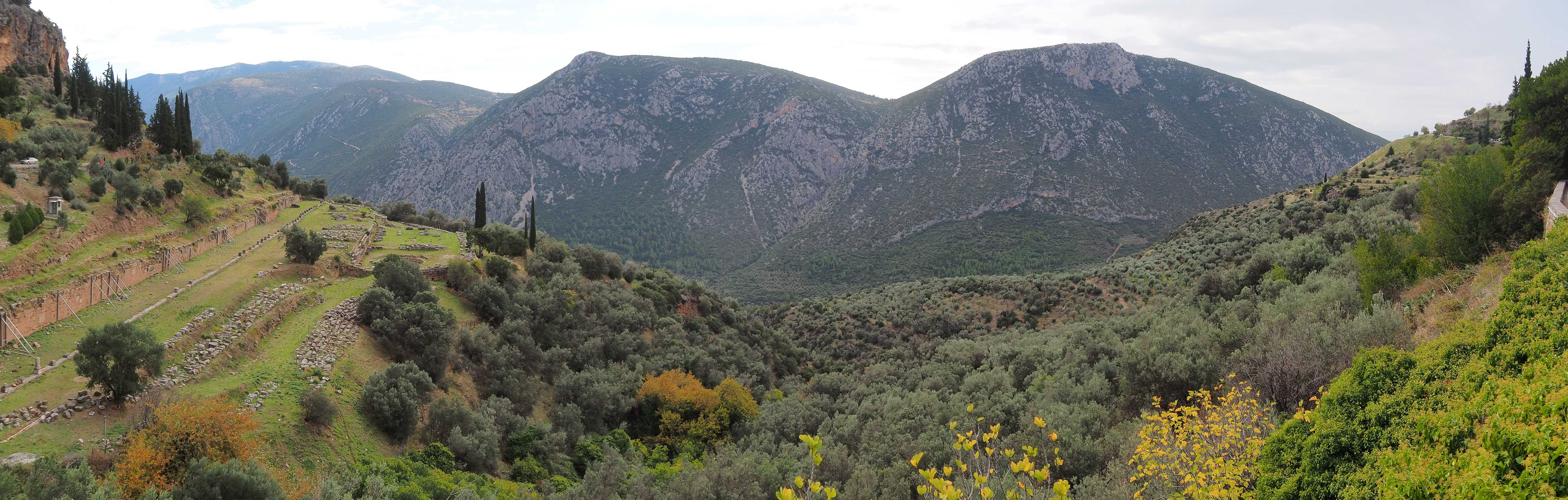
The view is magnificent, because it constantly overlooks the Pleistos valley and the Kirphis range.

In Greek mythology, Delphi is also the navel of the world or "omphalos", represented by a stone cone of which we have a copy here.


The "sacred way" passed in front of buildings housing treasures. This one is the treasury of the Athenians whose frieze celebrates the victory of Marathon. It also housed the omphalos we saw just before.


A number for each element discovered to find your way in the archaeological puzzle...


We arrive at the temple of Apollo and the six columns that surrounded the entrance to the sanctuary. The temple is dated from the 4th century BC.


The Serpentine Column of Plataea. At least its replica, because the original is in Istanbul on Sultan-Ahmet Square.


This monument appeared originally as a bronze column formed by the intertwined bodies of three snakes whose heads carried a gold tripod. The serpent column remained in place in Delphi until the reign of Emperor Constantine (306-337), who ordered its transfer to Istanbul to adorn the hippodrome of his new capital.


The replica of the serpentine column dates from 2015.


An exposed block with its face fully engraved. 


The pillar of Prusias.


Some entrances are free... 


We continue the path that leads a little higher in front of the theater, just above the temple of Apollo.


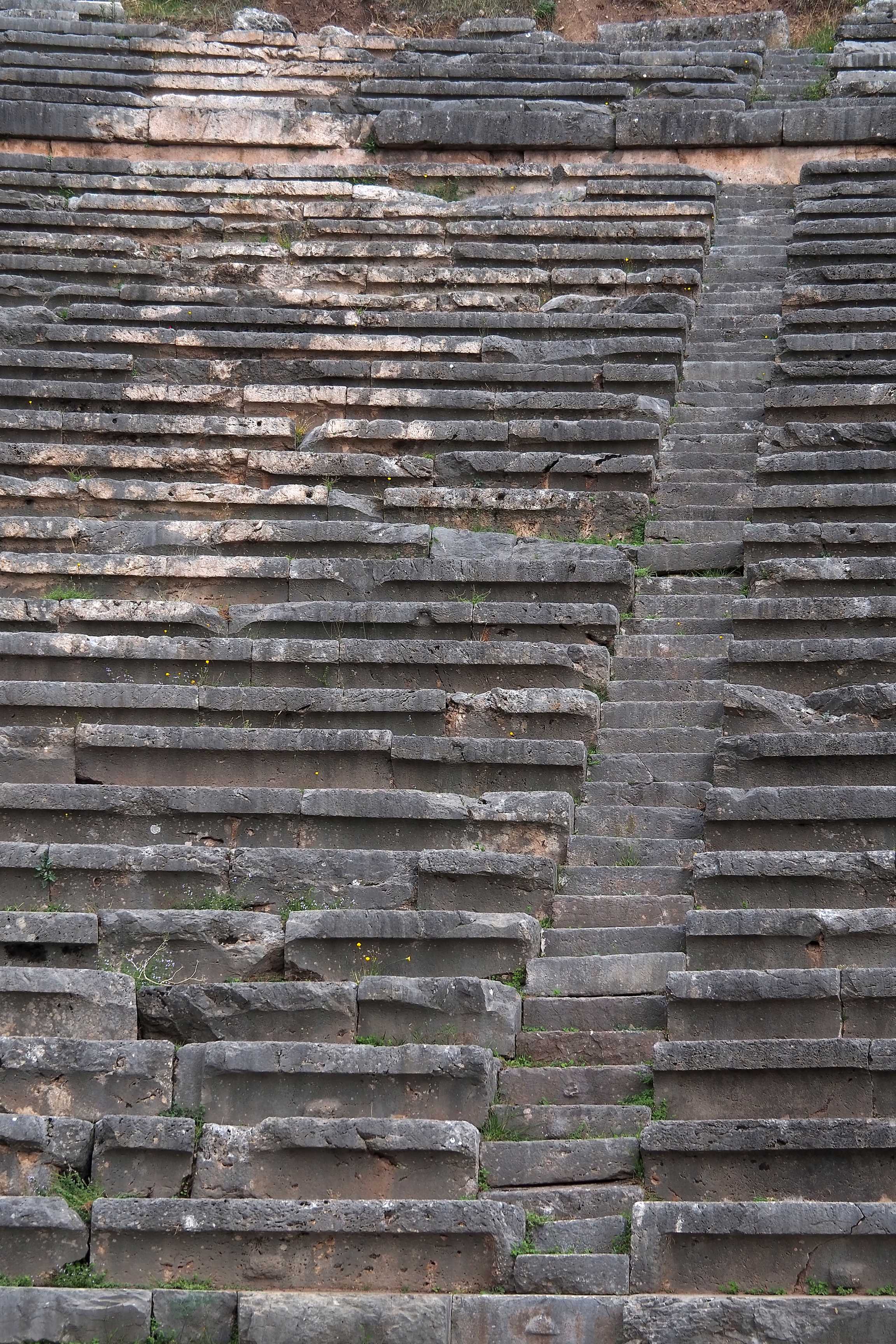


The theater and the temple of Apollo facing the Pleistos valley.

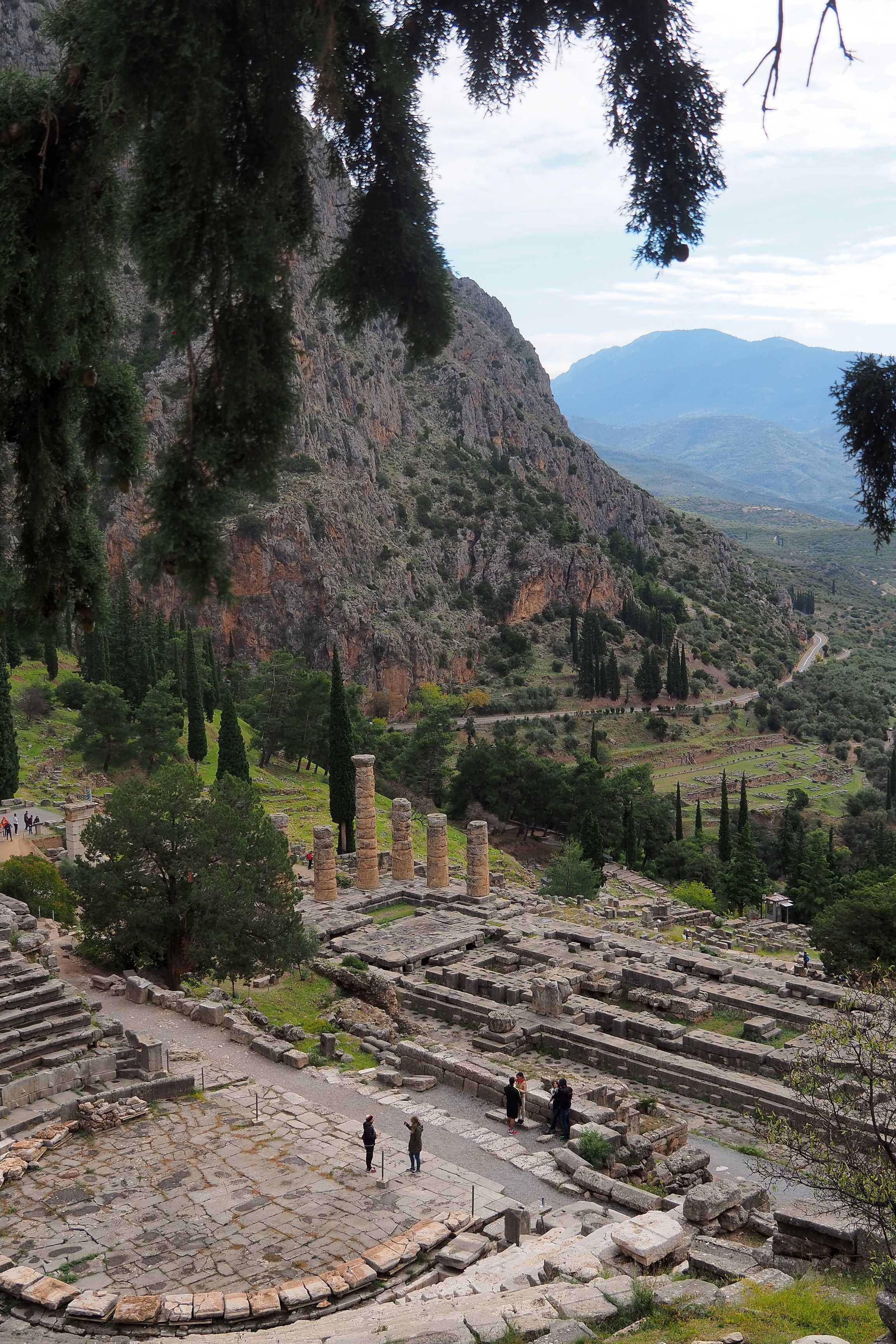

A Carabus glabratus, its Latin name goes well with the ancient site no?

The visit ends with the stadium.


Castalian Spring
We leave the site to reach the gymnasium on foot by road a little over a kilometer away. The path passes by the Castalian Spring built in stone at the beginning of the 5th century BC. It was used for the purification of the clergy and the faithful who came to the sanctuary. It was restored in 1959 by the Greek architect Anastasios Orlando and by the French school of Athens.

The Gymnasium
The gymnasium at least what remains of it.

The Temple of Athena Pronaia
The temple of Athena, protector of wisdom, fertility and health. The oldest part of the temple dates from the 7th century BC.


From the temple of Athena, we can distinguish in the distance the temple of Apollo where we were earlier. Olive trees grow almost everywhere. Olives are in full maturation which will last until December.


The Tholos is the name given to a sanctified, circular building surrounded by columns. Here, three columns have been restored.


Detail of the restored pediment.


Here was the treasury of Massalia, an edifice offered 500 years before our era by one of the most important ports of the time in the Mediterranean: Marseille.

We leave towards the modern city and pass in front of a "Kandylakia", installed on the side of the road to indicate the danger of the place and undoubtedly a tragic past accident.
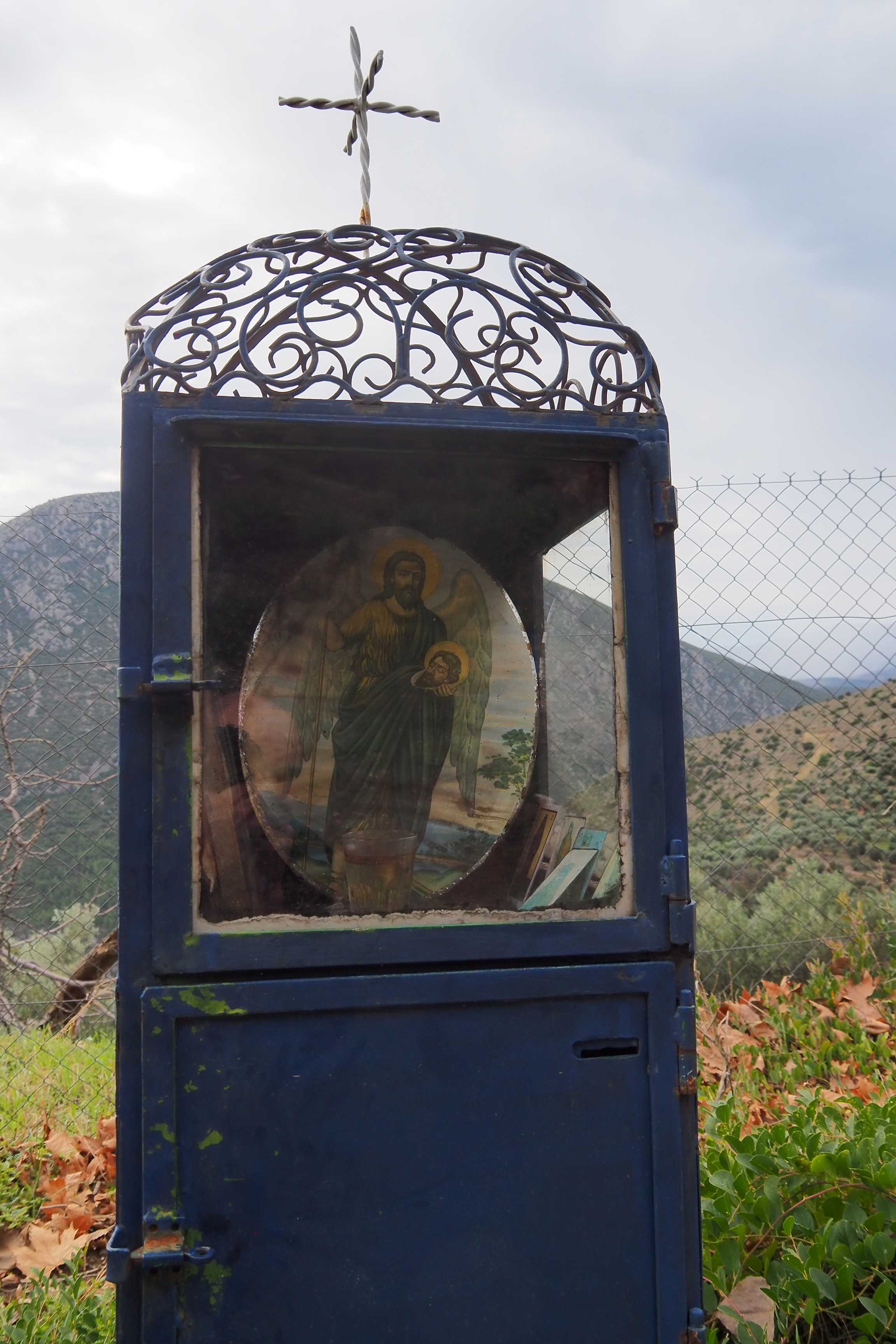

We enjoy the really superb view of the valley.
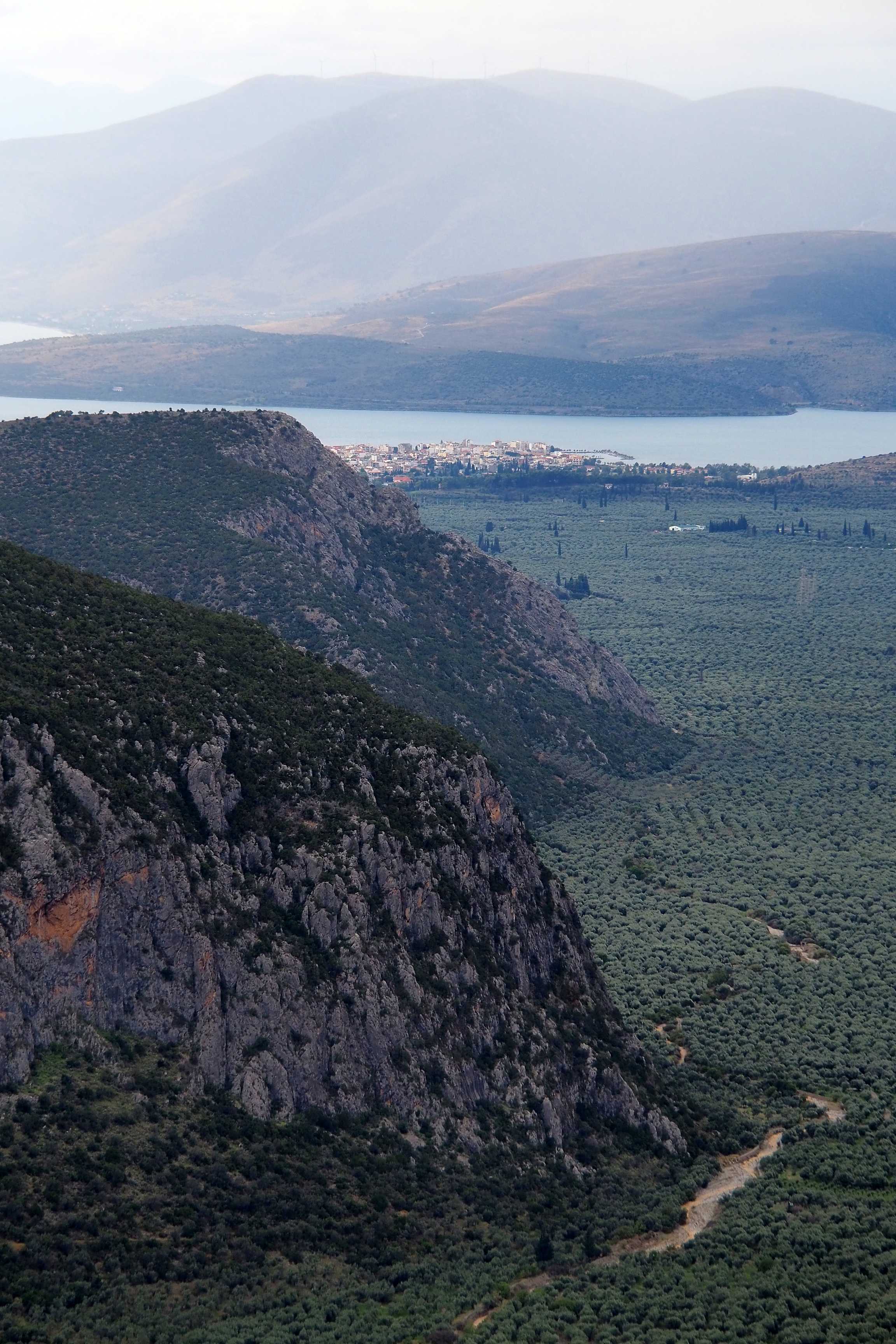
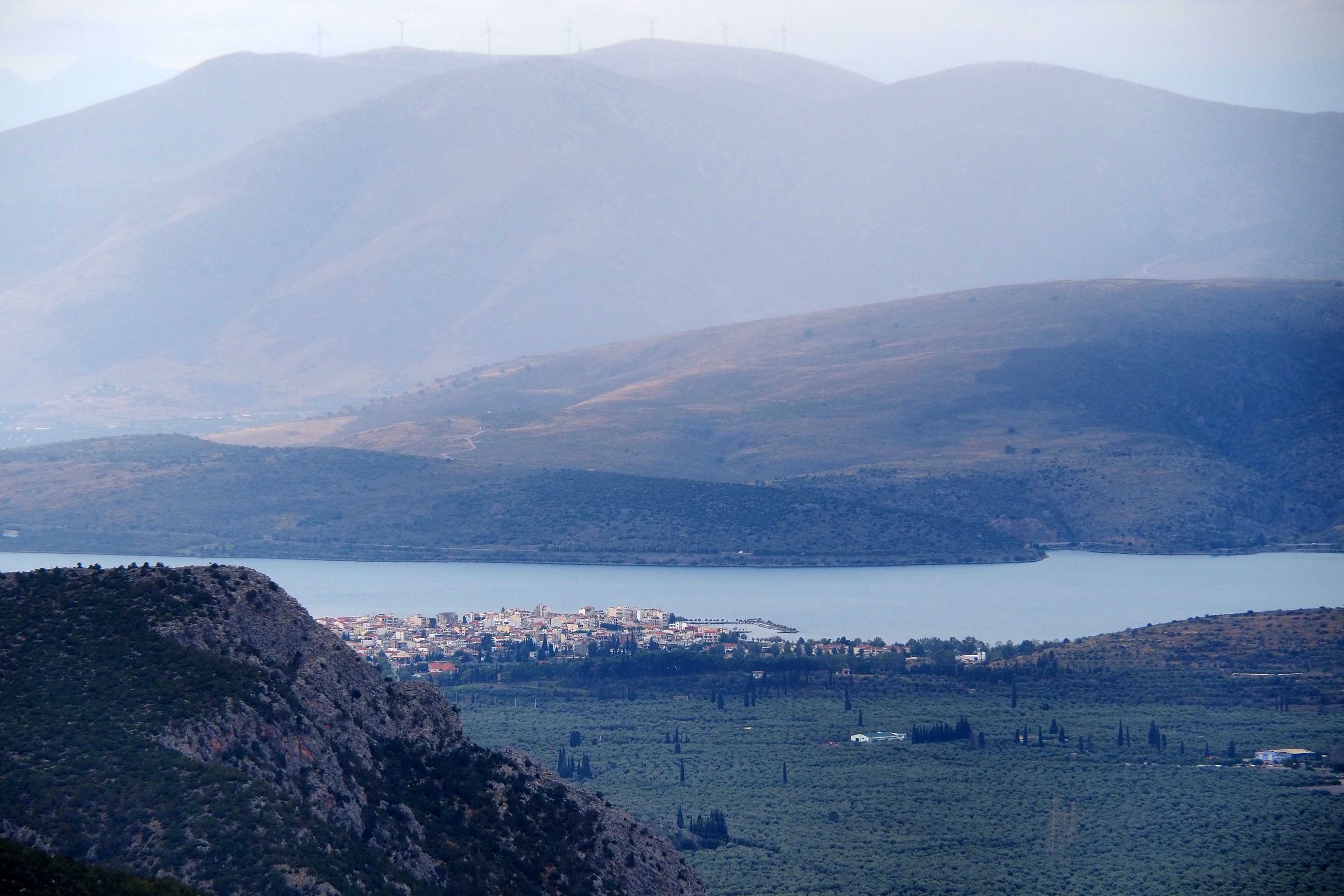
And on the olive grove that runs up to the Gulf of Corinth...


Lunch break at the restaurant "in Delphi" with its local moussaka and its small cinnamon cake offered at the end of the meal. 
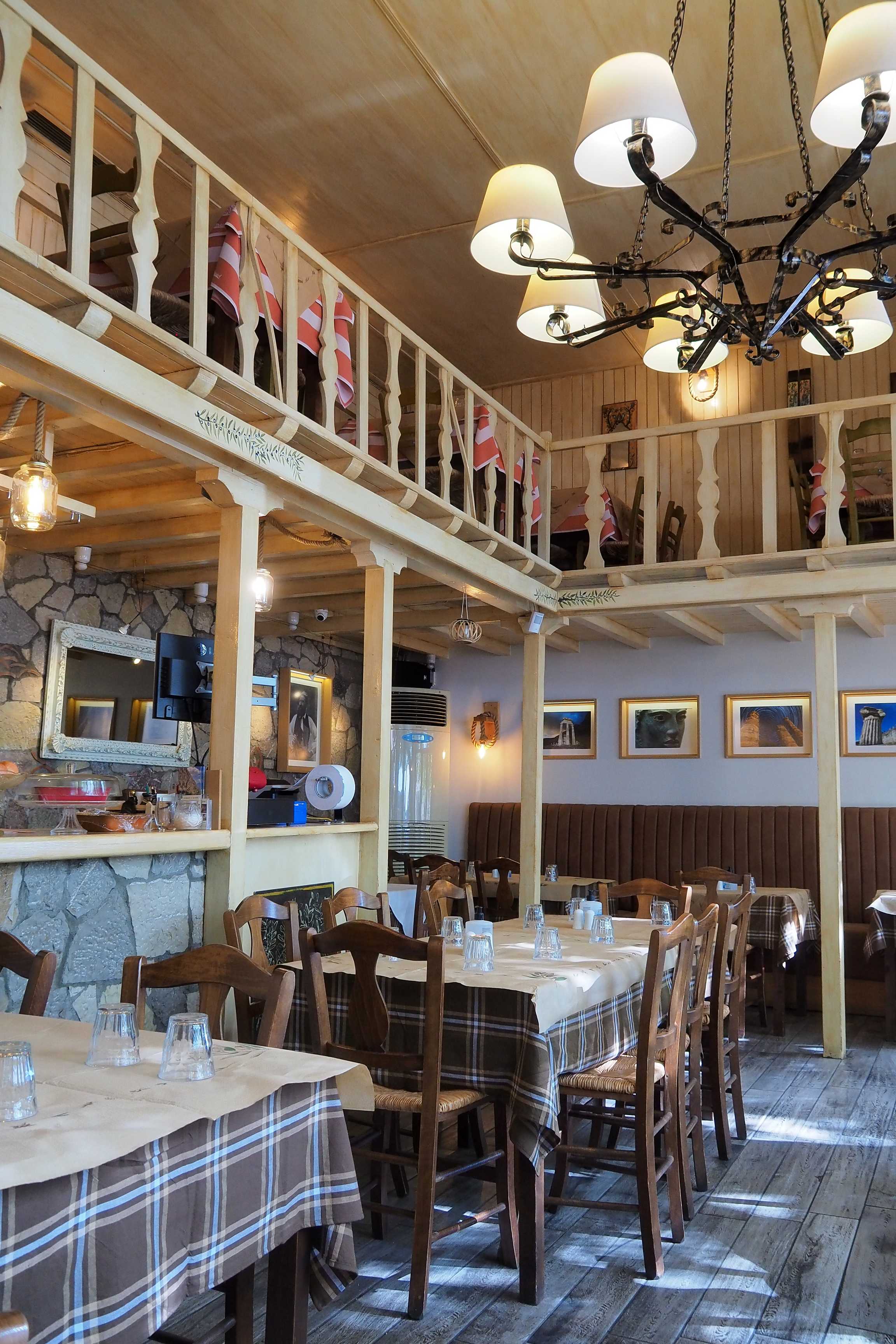


Little nap in all simplicity in front of the Kirphis range and the Pleistos valley. 


Return to the archaeological site, but this time to visit the museum. The road passes by the sculpture Prometheus by sculptor Pavlos Angelos Kougioumtzis.


Archaeological Museum of Delphi
We are in the archaeological museum just next to the site.
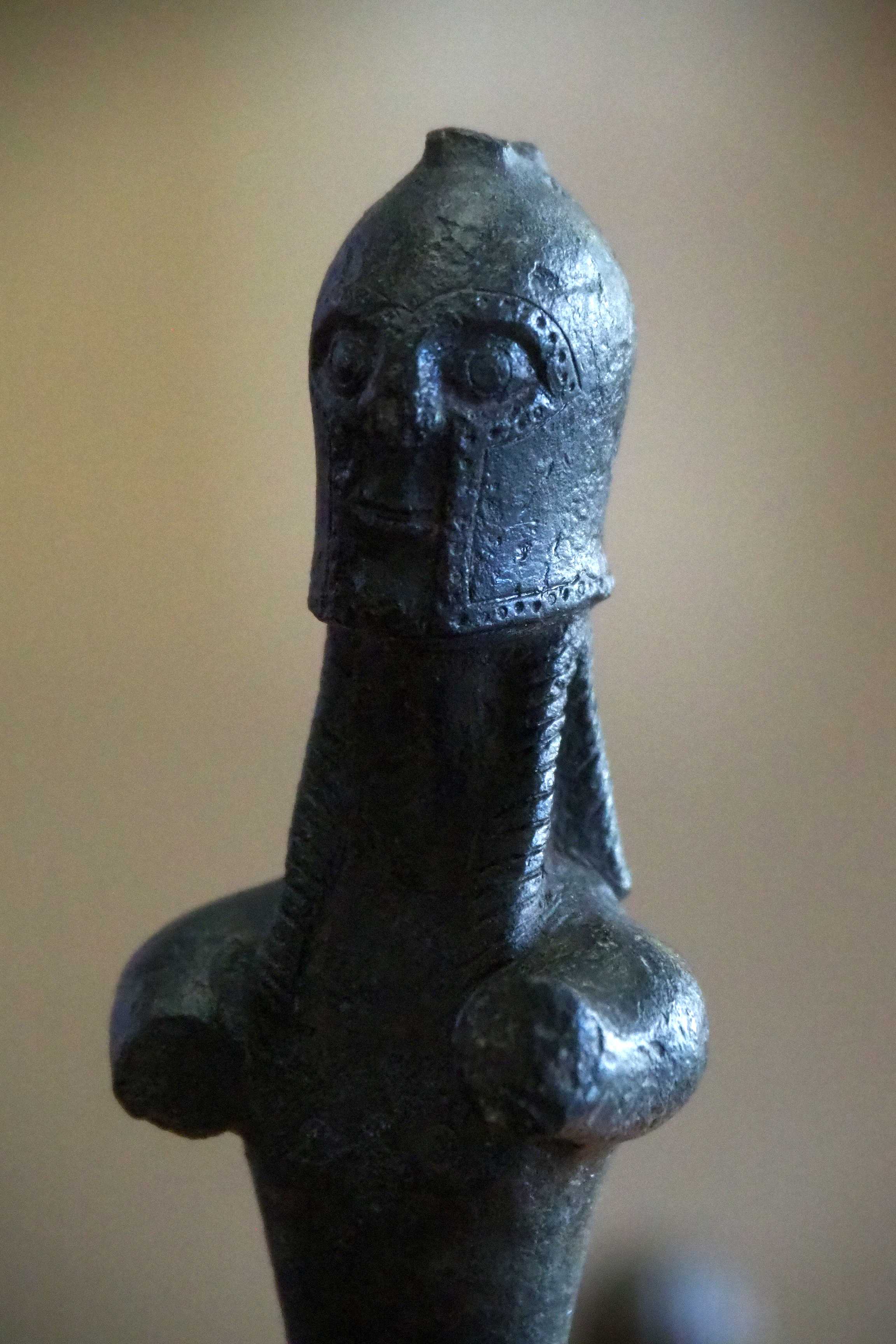
"Warrior of the geometric period wearing a Corinthian type helmet in one of his oldest representations. First quarter of the 7th century BC."
"Bronze votive shield. The hammered sheet was nailed to a wooden or leather core. Around 700 BC."
Bronze animal figurines, of votive character, dating from the 8th century BC."


Athena, Hera and Demeter, protective deities of the Achaeans.

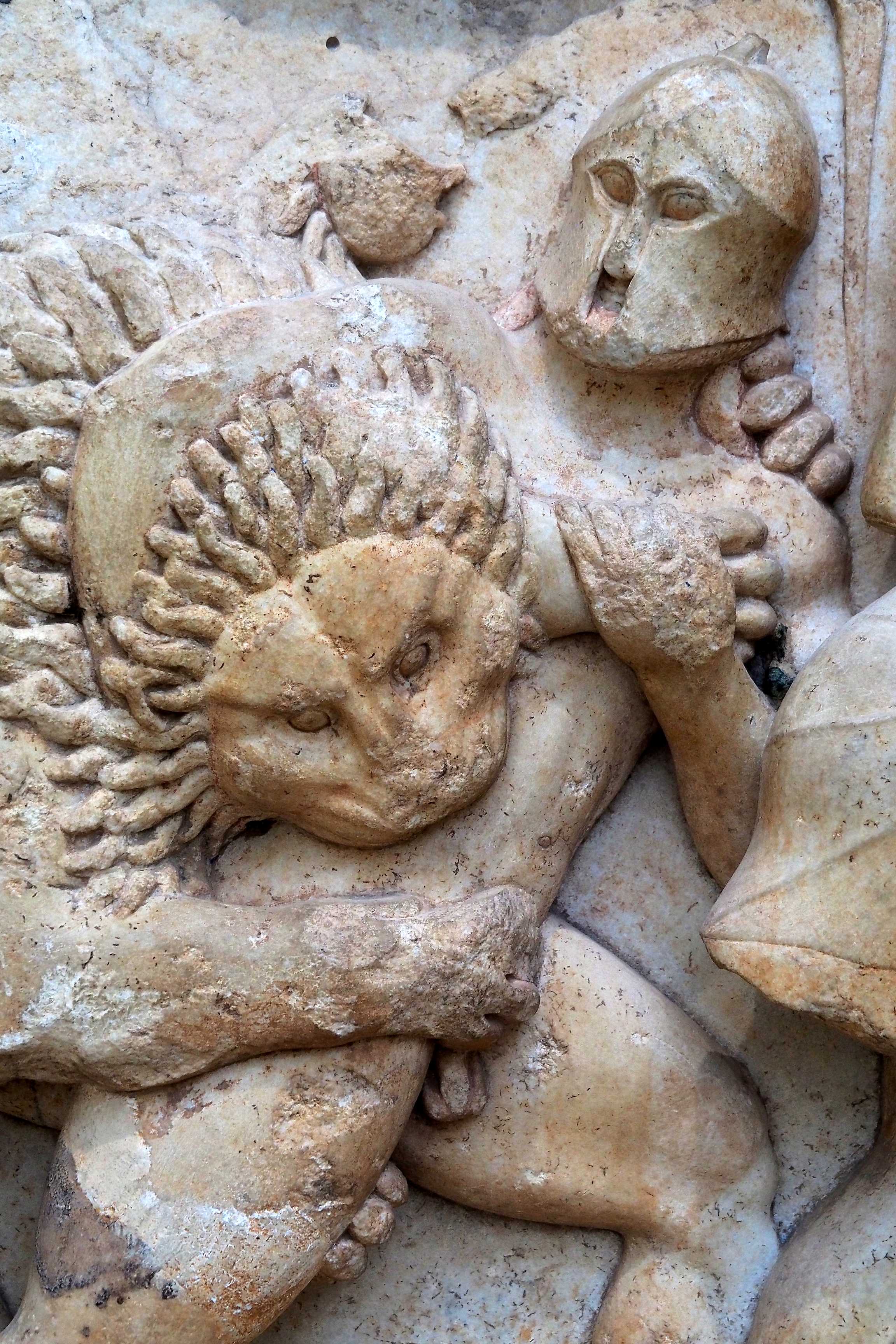
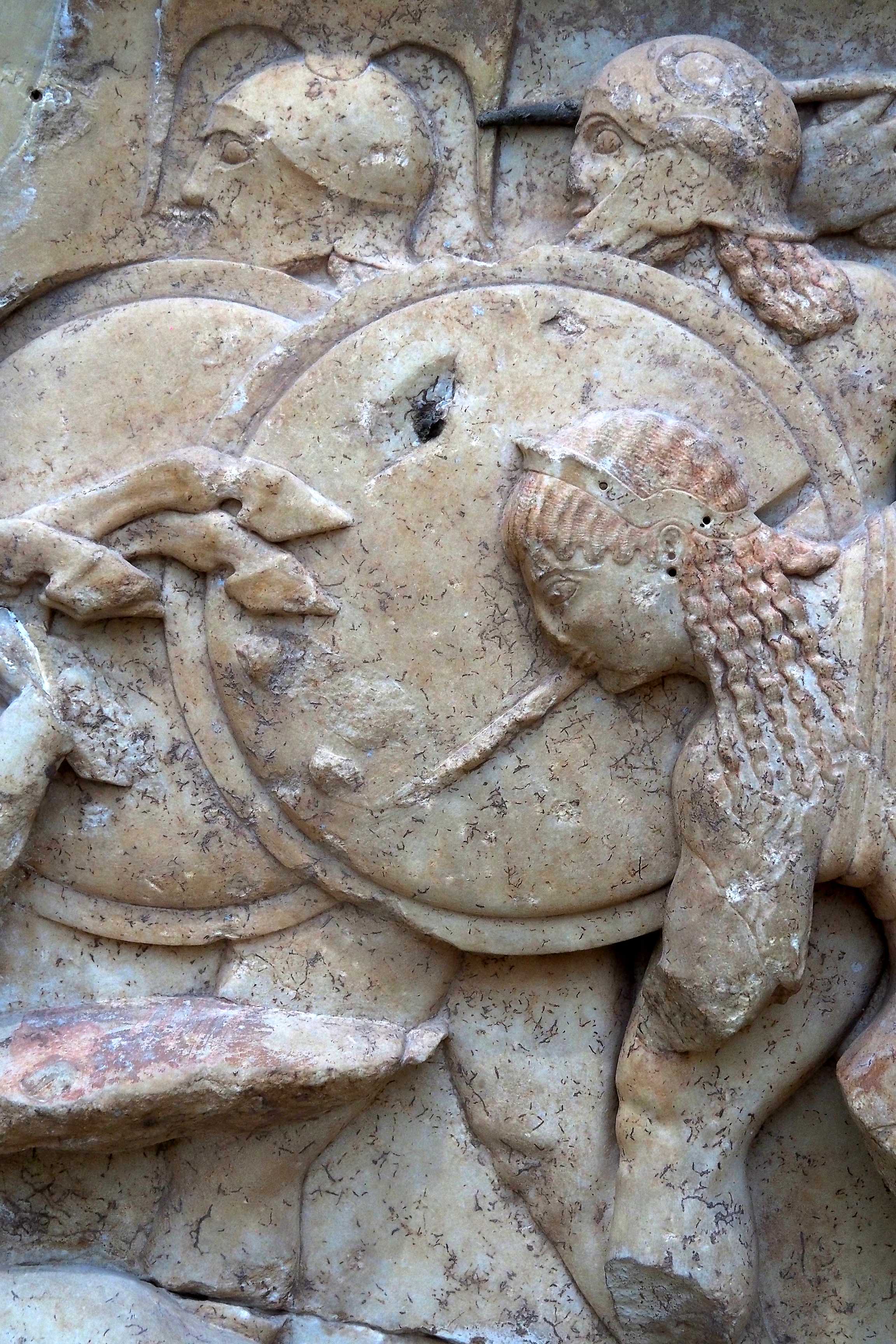
"Combat of the Olympian gods against the Giants, sons of the Earth. The myth of the confrontation which leads to the victory of the Olympians is one of the favorite themes of archaic Greek art and symbolizes the triumph of order and civilization over savagery and anarchy."



"The Sphinx of Naxos, also Sphinx of the Naxians, is a marble statue 2.22 meters high representing a sphinx, a mythical creature with a woman's head, a chest, wings and the body of a lioness. The Sphinx stood on a 10-meter column which was erected next to the temple of Apollo." © Wikipedia


The South caryatid of the Siphnian Treasury.

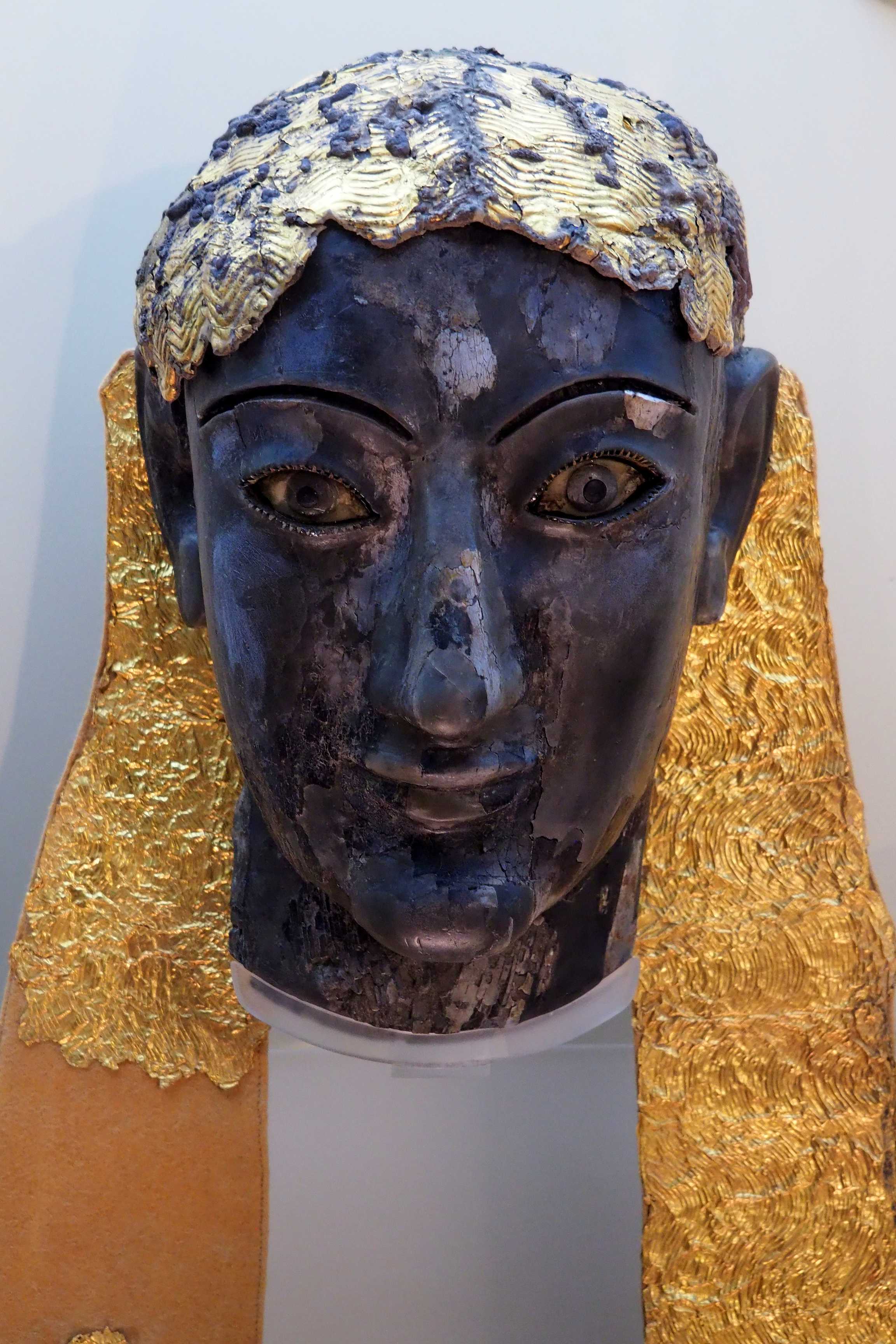
On the left, head of a chryselephantine female statue with gold diadem, presumably of the goddess Artemis. On the right, fragments of a male statue in gold and ivory, probably of Apollo.

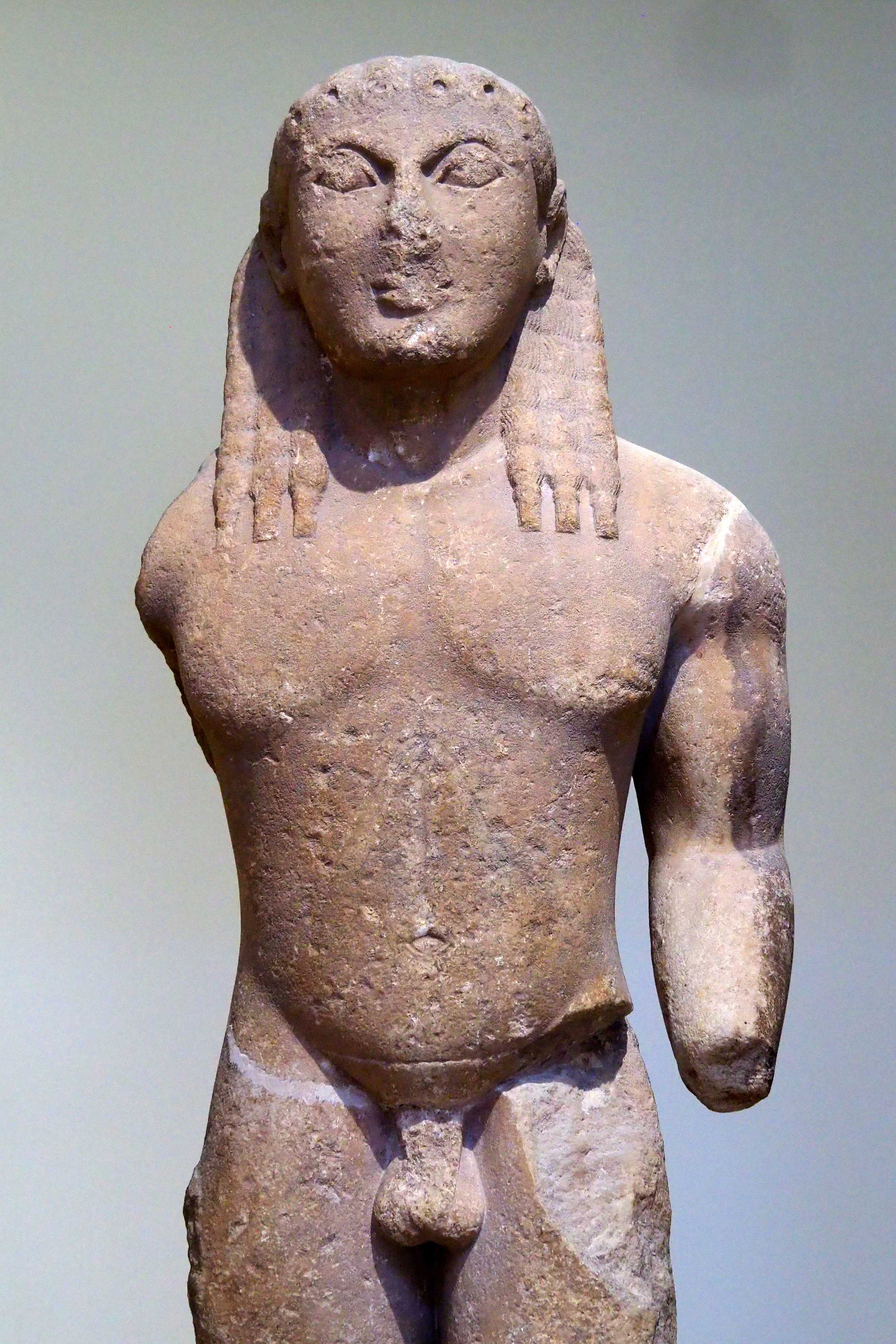
Pair of similar kouroi, in marble, which probably represent two heroes of Argive mythology. Work of an Argive workshop. Around 580 BC.


"Marble acroterion of the archaic temple of Apollo. It represents a Nike, winged female figure, in "kneeling run" position, according to an iconographic convention intended to figure the movement of the race. The recourse to this convention, as well as the smile and the staggered folds of the himation, are characteristic of archaic sculpture. 515-505 BC."

Apollo and Daphne (1844-1845) by Théodore Chassériau.
Apollo and Daphne (1615-1620) by Francesco Albani.


Apollo and Daphne (1741) by Giovanni Battista Tiepolo.

"Agias, son of Acnonios. Great-grandfather of Daochos II, athlete in pancratium (which combines wrestling and boxing), winner of many panhellenic contests in the 5th century BC.


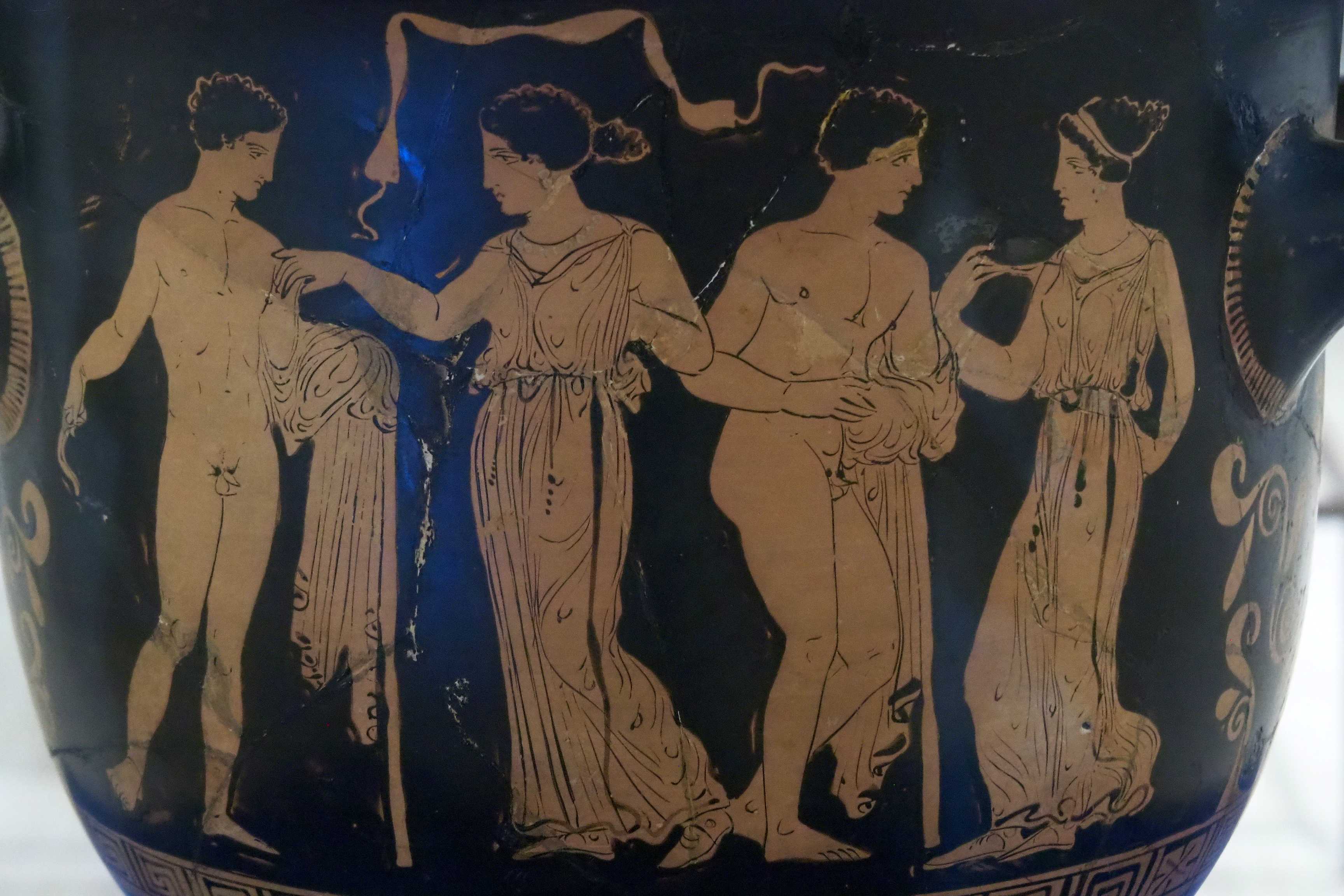
Red-figure bell krater known as Krater of the Eumenides.




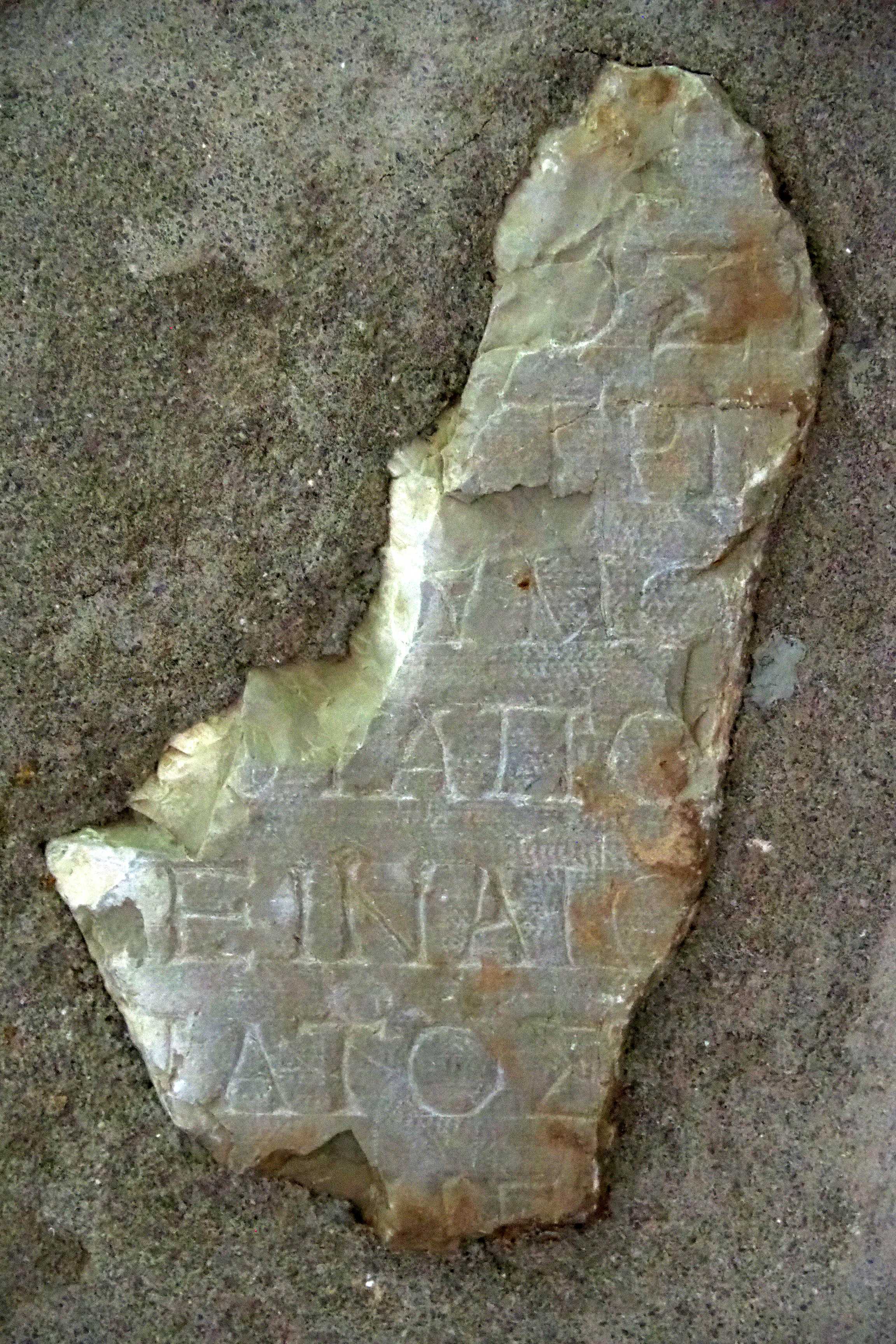
"Dedicatory inscription commemorating the repair of the temple of Apollo by the Roman emperor Domitian, in 84 AD. The plaque of the inscription consists of reused marble blocks, coming from older monuments."


"Antinous, the beloved companion of Emperor Hadrian, drowned in the Nile in the year 130 AD. Ideal of beauty and youth from Roman times, he becomes the symbol of premature death at the height of his splendor. After his death, under the watchful eye of Hadrian himself, statues were erected and effigies carved in many temples and cities of the Roman Empire, while in his honor, cults and games were instituted."


The Charioteer
"The statue of the charioteer owes its saving to a natural disaster, since it was covered by the rubble resulting from the earthquake of 373 BC. The charioteer constituted an element of a larger composition representing a quadriga. Near the statue were found two horse legs, a tail, fragments of the chariot pole and a child's arm with vestiges of the reins. The charioteers who participated in the panhellenic contests were young men of noble origin, aristocrats who owned chariots and horses. Such was the charioteer of Delphi, who wears the characteristic tunic, a long chiton that descends to his thin ankles."


Letter from Emperor Claudius to the proconsul of Achaia (52 AD)
"By this letter, Emperor Claudius testifies to his interest in the city of Delphi, which lacks citizens, and gives instructions to bring new inhabitants from other cities. The letter is also important by the mention made of L. lunius Gallio, Seneca's brother, who exercised the functions of proconsul of Achaia at the time when the apostle Paul was staying in Corinth."

"Apollo, god of health, shows France the bust of Louis XIV, King of France (1693)" by Nicolas Coustou, called Coustou the Elder.

Itea
After this little cultural visit, we take the car to reach Itea, small town on the edge of the Gulf of Corinth.
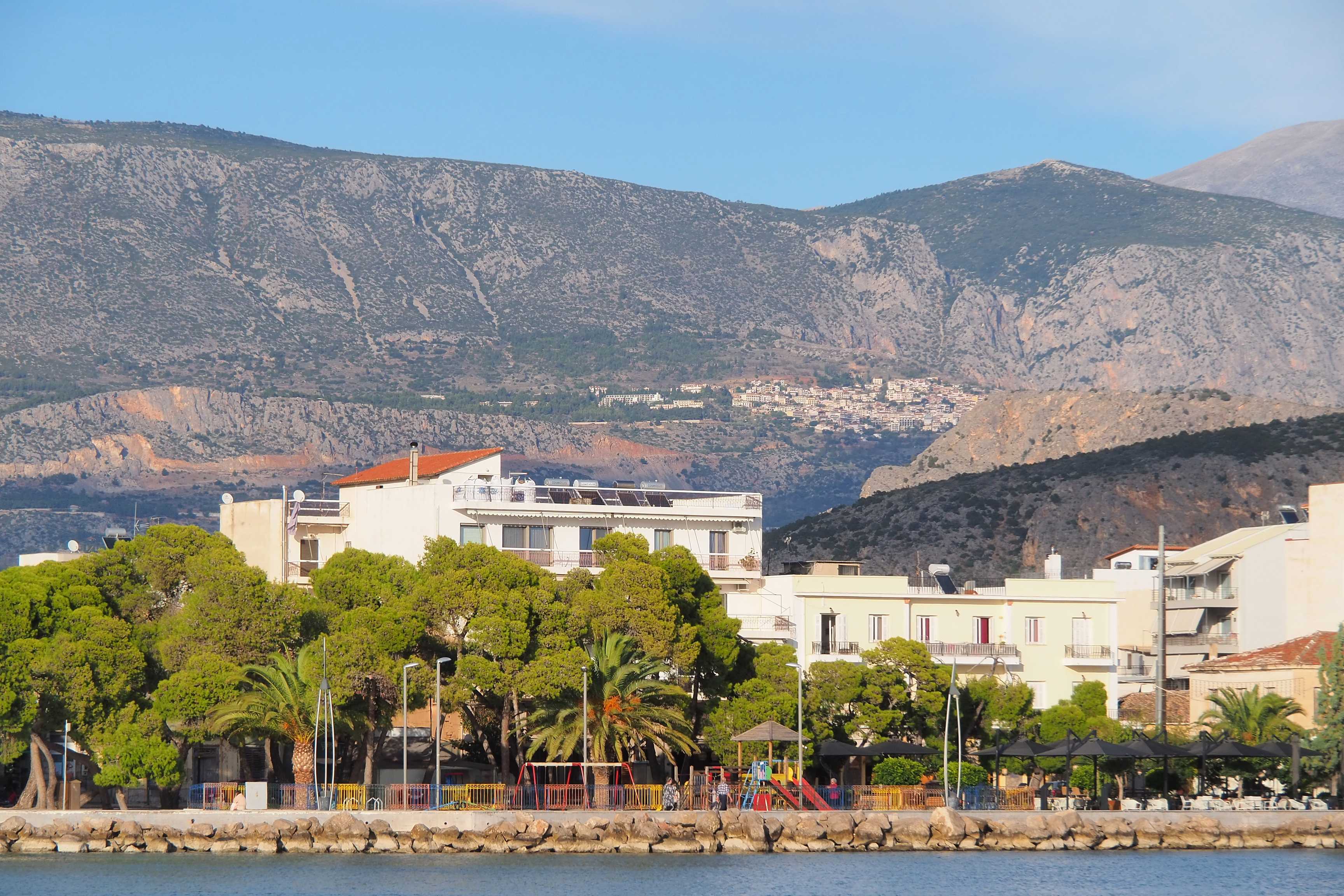
The port of Itea

At the end of the pier, the Greek tanker A416 Uranus has dropped anchor.


Small coffee break on the port pier to end the day and before returning to Delphi for a last night.

Wednesday27October
New day in Delphi. Before leaving the city, we decide to do a little hike in the olive grove facing us from our balcony.

In the distance, Itea where we were yesterday.

The simple room of the hotel.


And off we go for a 2-hour walk. We leave from the small town of Chrissó located a little lower than Delphi.


The view of Chrissó and, on the far right, Delphi.

Zoom on Chrissó.


We overlook the sea of Olive trees.


A small house emerges between the mountain and the Olive grove.


The path passes by the Agios Georgios chapel.


A small lantern with its tiny paintings inside...


The interior of the church seen from a small window.


On the left, Delphi, perched on the mountainside hiding behind it, Mount Parnassus.

That's it, we will soon dive into the olive grove...




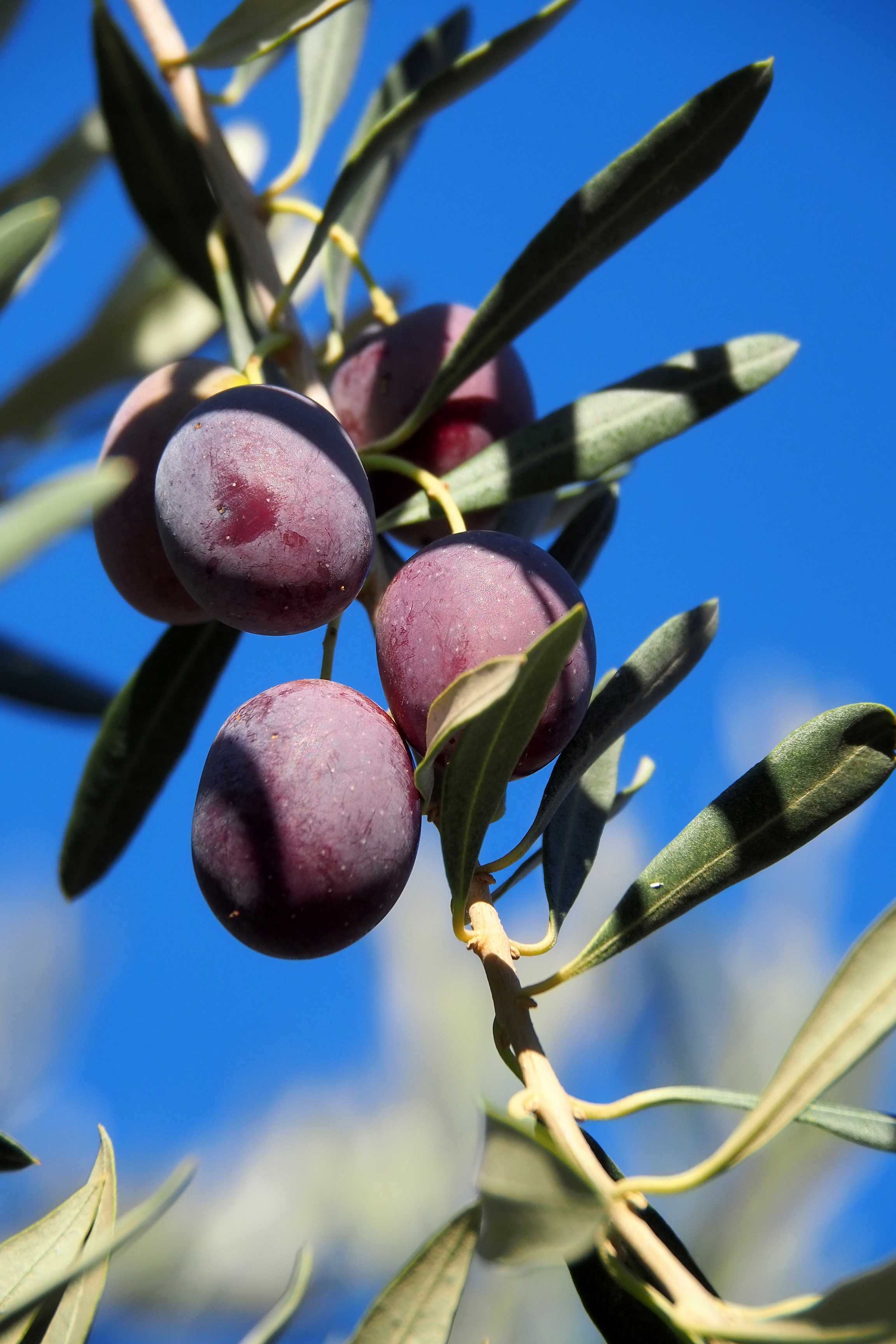
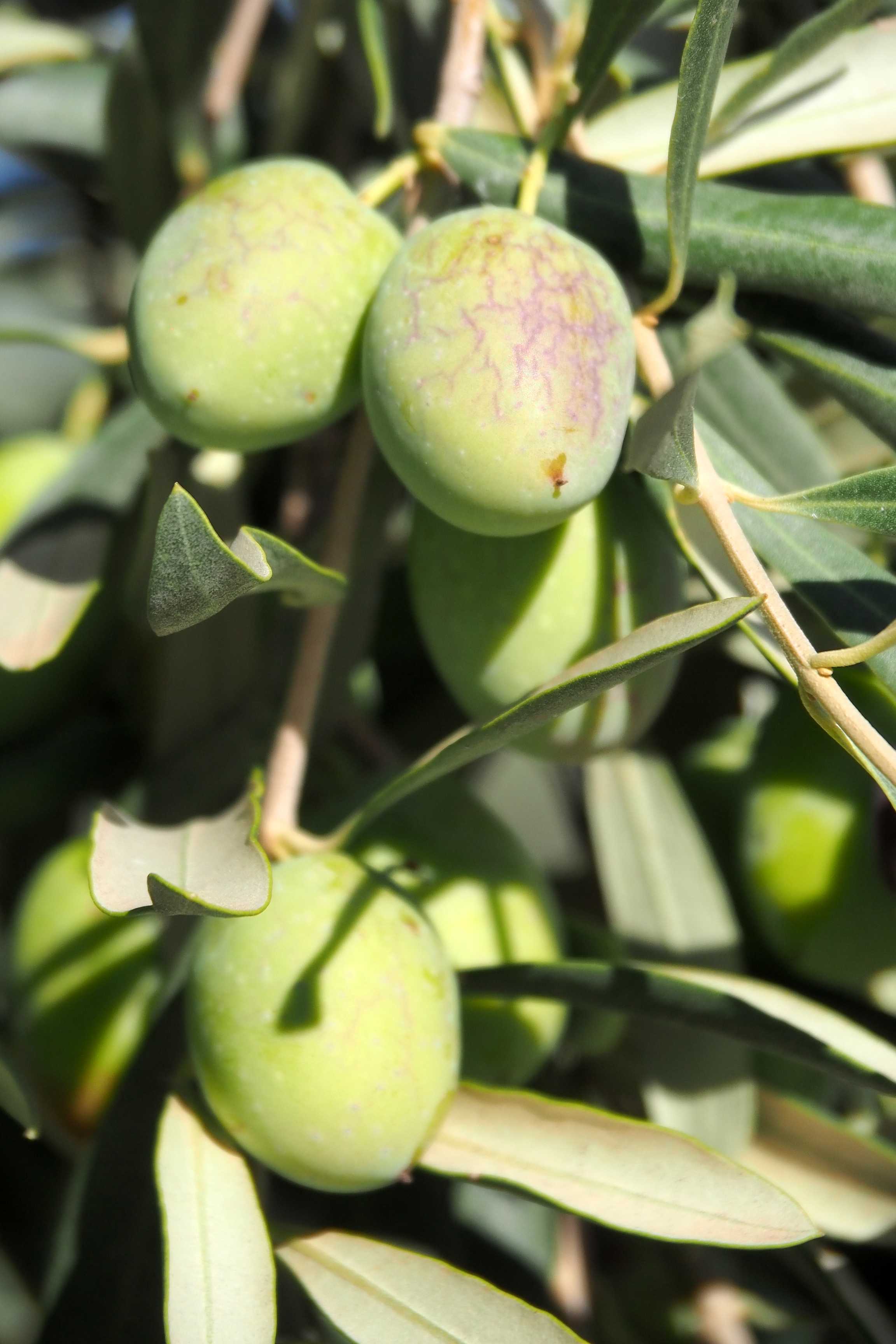
Some olives are reaching maturity.


We pass by the European path E4, which starts from the South of Portugal and crosses Spain, Andorra, France, Switzerland, Germany, Austria, Hungary, Romania, Bulgaria, Greece to finish in Cyprus...


The olive grove is much larger than we think, because it extends continuously to Amfissa located 13 kilometers from here...  This makes hundreds of thousands of olive trees, some of which are centenarians.


Harvesting is underway in some sectors of the olive grove.

The olives are detached from the trees with a "comb" and fall on the cloth placed on the ground.


Return by the same path passing in front of the small chapel.


Chrissó
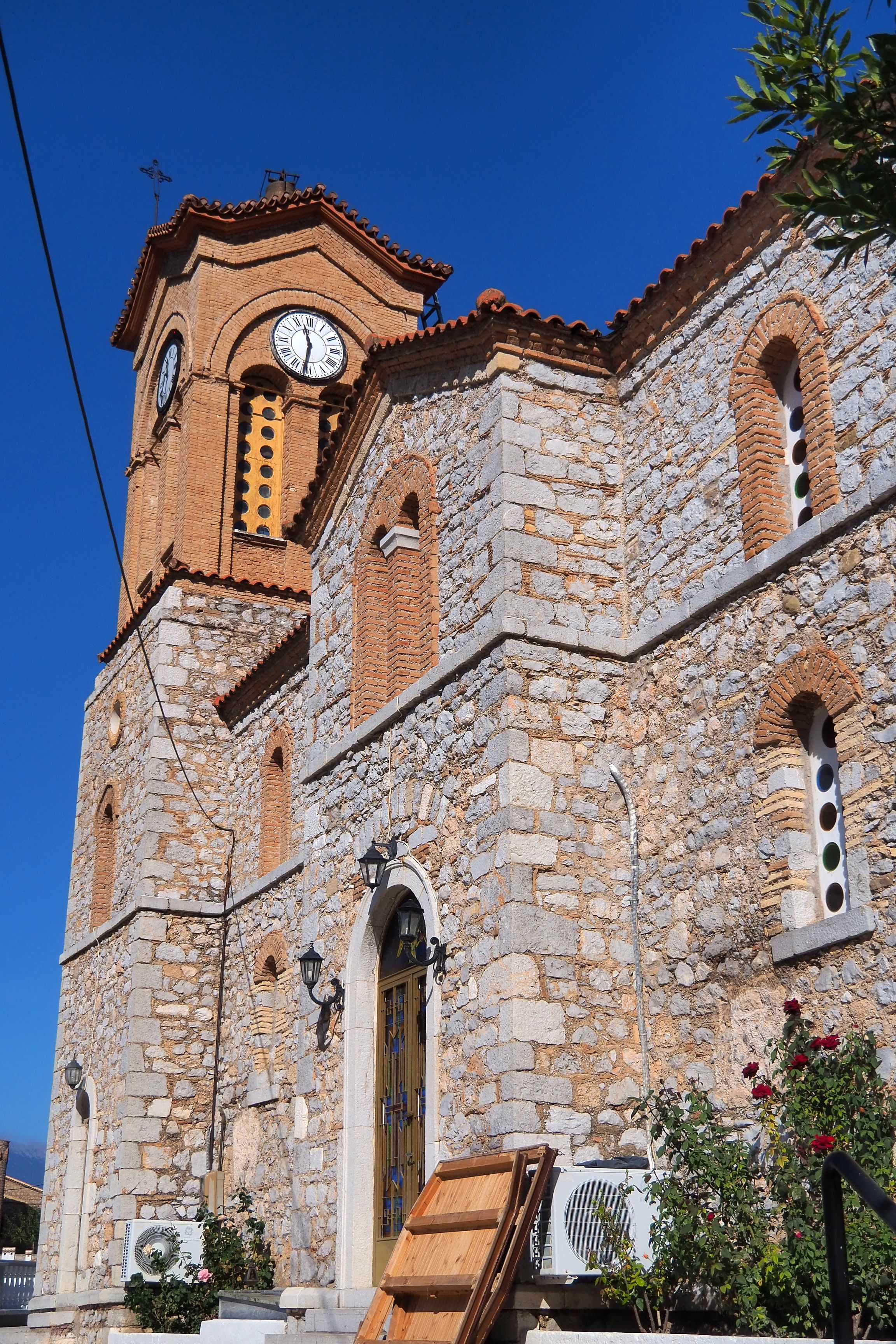
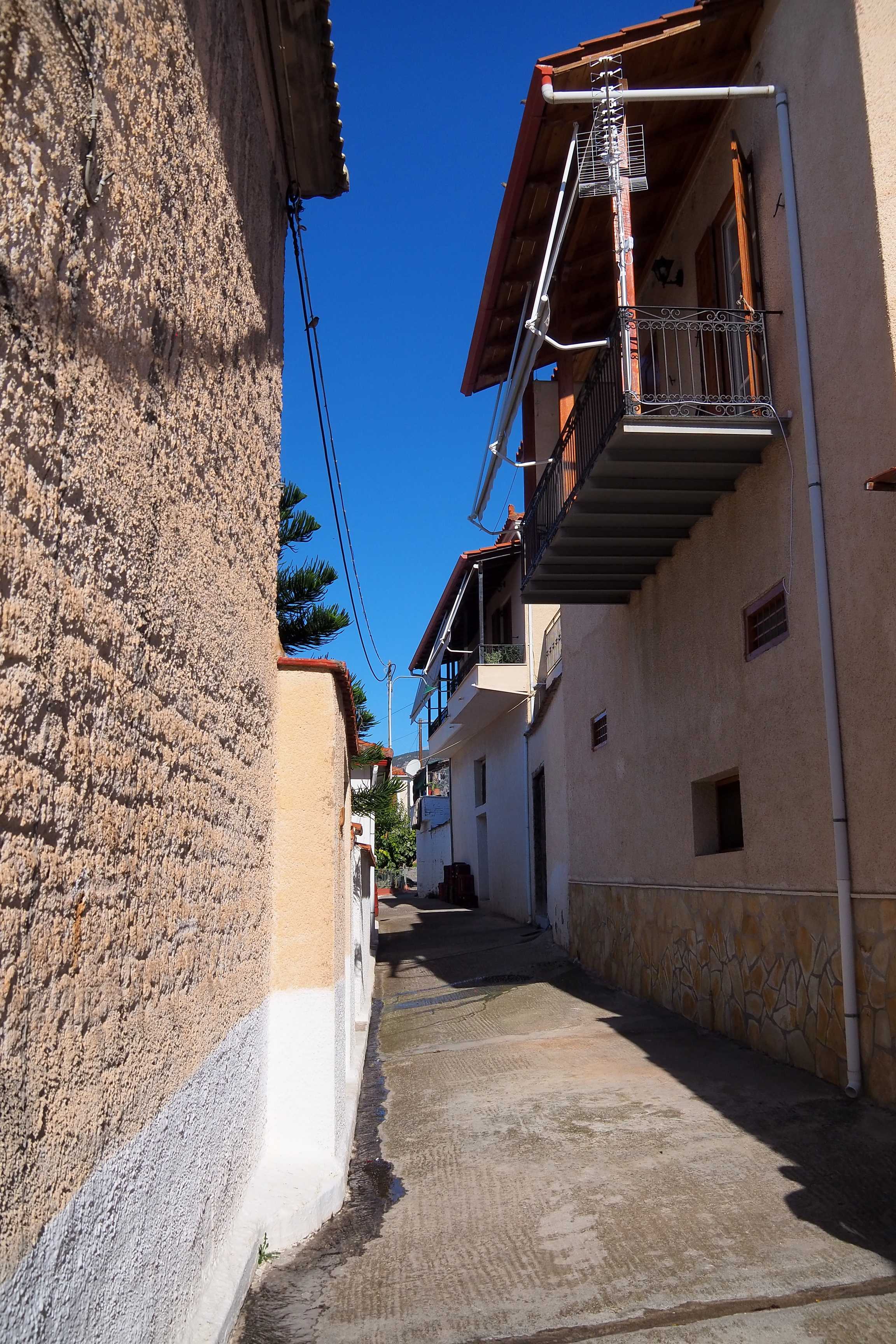
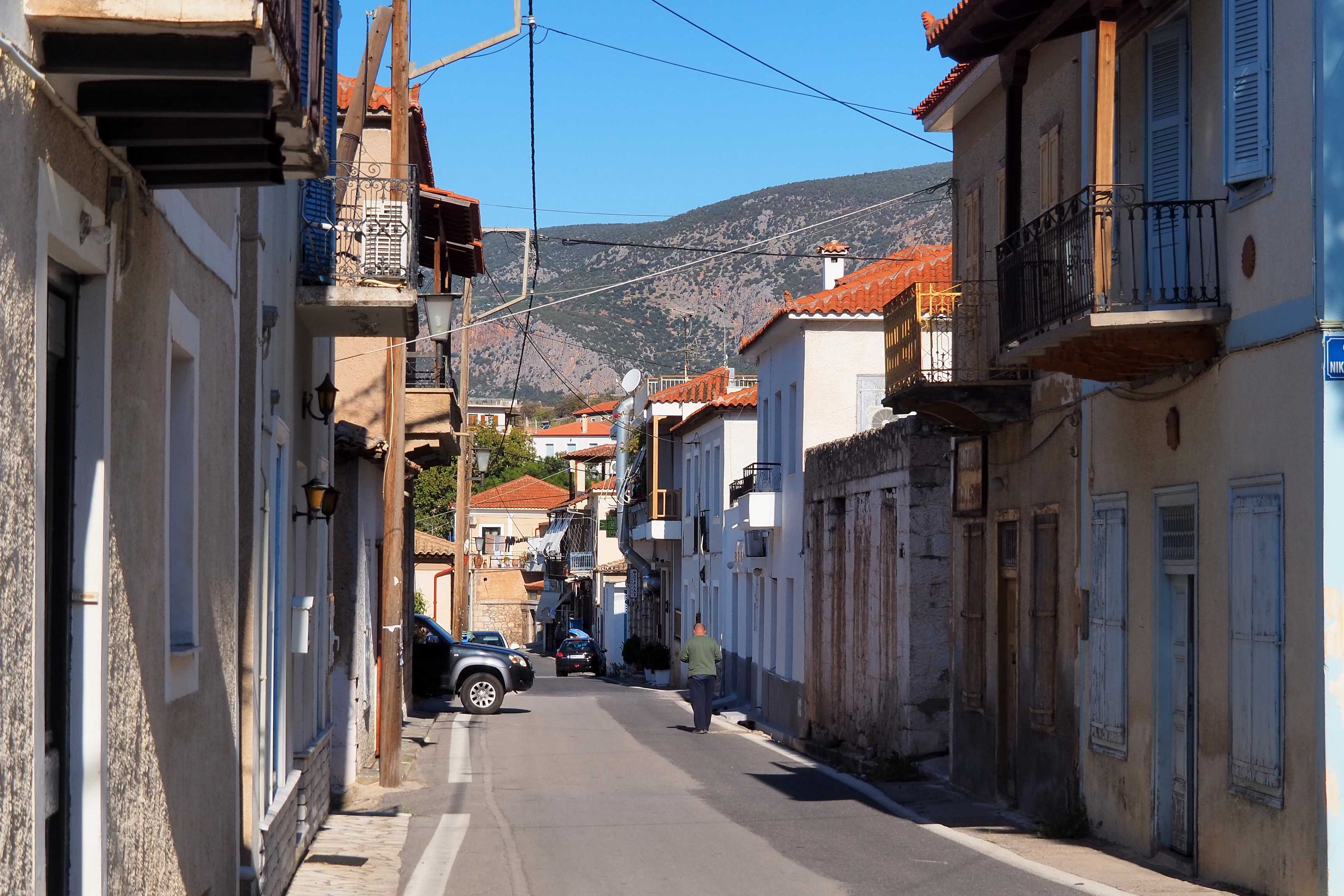
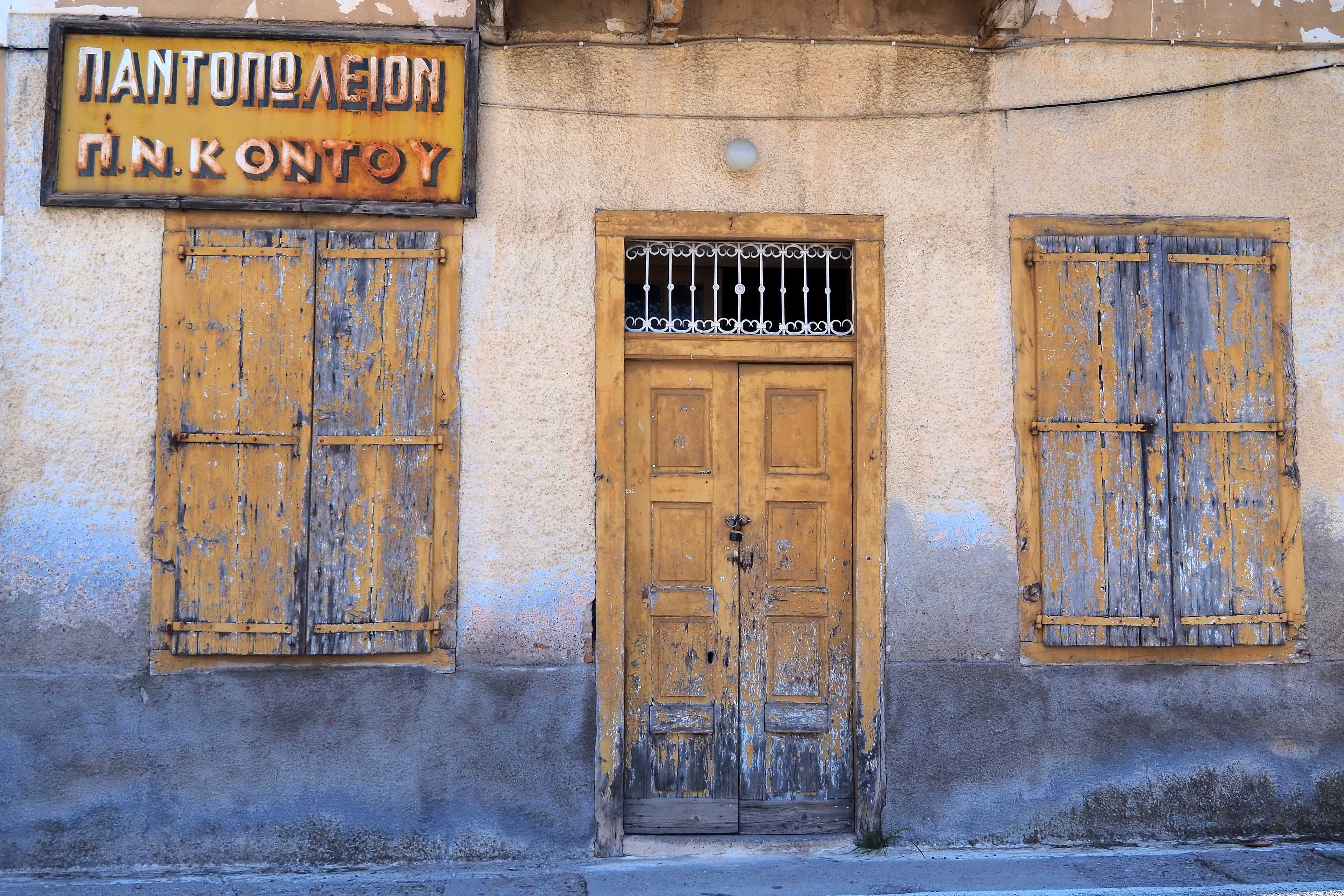
Short tour in Chrissó.

Next step of the day: the Osios Lukas monastery located 1 hour by car from here.
Latest comments
On Guatemala 2018
Le 25 Novembre 2024
Significado de este mural
On Chile 2016
Le 15 Septembre 2024
Rrrrrr
On Egypt 2003
Le 1er Avril 2023
Et oui c'est bien nous aux pieds de ce Colosse !
Le 1er Avril 2023
Bien petits aux pieds de ce Colosse !
On Namibia 2014
Le 3 Août 2021
very good indeed