


 My blog




Monday22November
Our Greek month ends, we begin the last day with the Acropolis museum, located a few steps from the site.

Acropolis Museum
The first museum was located at the Acropolis level, near the Parthenon. Having become too small, it was decided in the 1970s to move it to the bottom of the hill. During the first works, the remains of the ancient city, dating back to several centuries before our era, were discovered stopping the construction site. It was not until 2003, that the construction of the building began to end in 2009.

Under the museum, the remains of the old quarter of the city have been preserved.
Aerial photo and model of the Acropolis as it was in the 16th century.


The first hall of the museum.

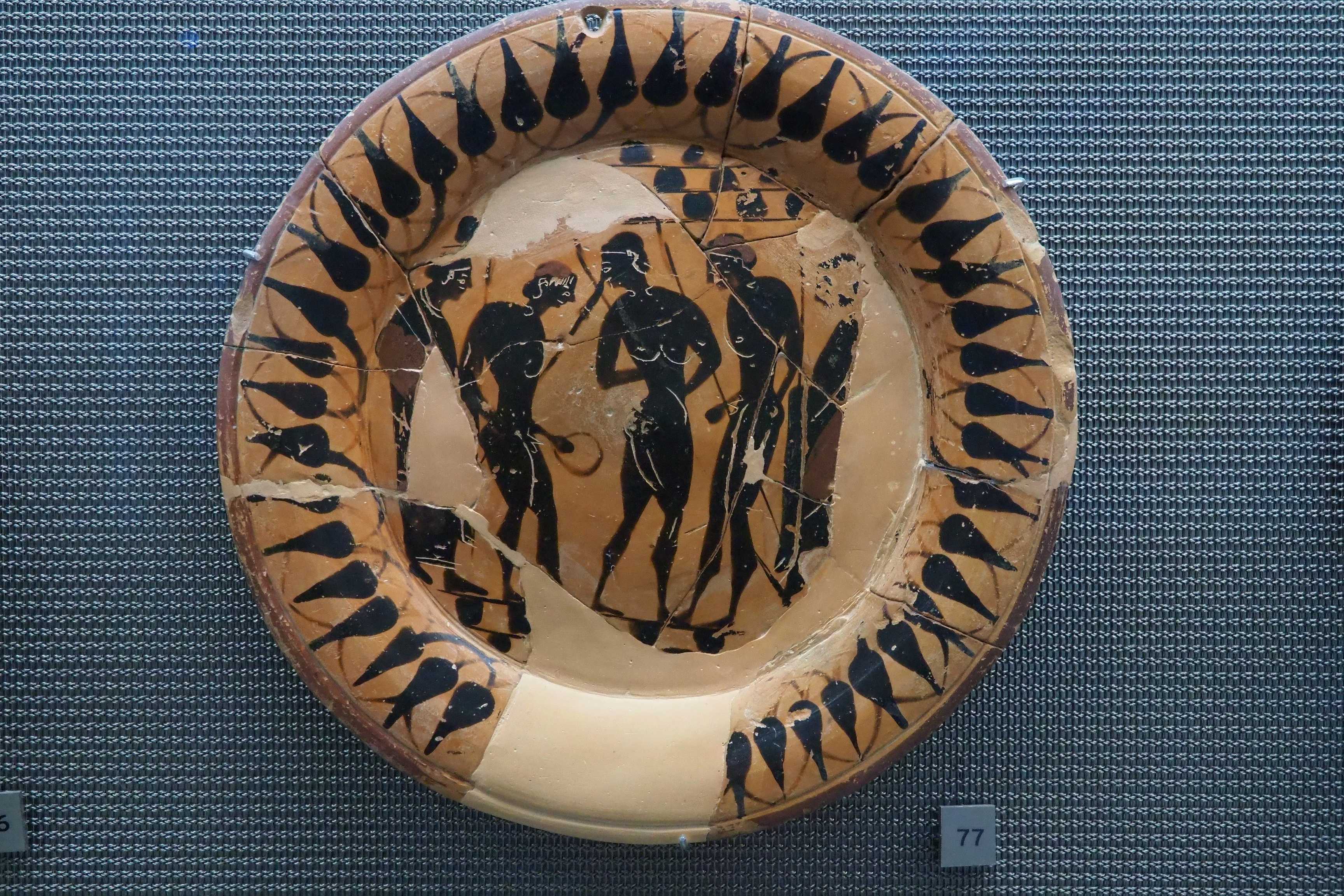
Attic black-figure ceramic from the 6th century BC.

Mask of Dionysus (1st century BC). "The mask was probably placed high up, on a column decorated with the god's clothes around which various religious rites took place.".

The museum is very bright, it is largely surrounded by large glass walls giving a superb view of the Parthenon.

"The metopes of the Parthenon are a set of ninety-two square sculpted plaques in Pentelic marble originally located above the columns of the peristyle of the Parthenon, on the Acropolis of Athens. If they were made by several artists, the master builder was certainly Phidias. They were sculpted between 447 or 446 BC and at the latest 438 BC, with 442 BC as the probable completion date. They are mostly very damaged. Most often, there are only two characters per metope.". © Wikipedia

Details of some metopes.
On the left, "The Centaur dominates the scene and gives the impression of being the winner. The blow, however, that he receives on the left thigh where the hole made by the spear of his Greek opponent is preserved, is certainly serious."
On the right, "Two riders wearing embades (boots), a double-belted chiton and leather chlamys (cape)."

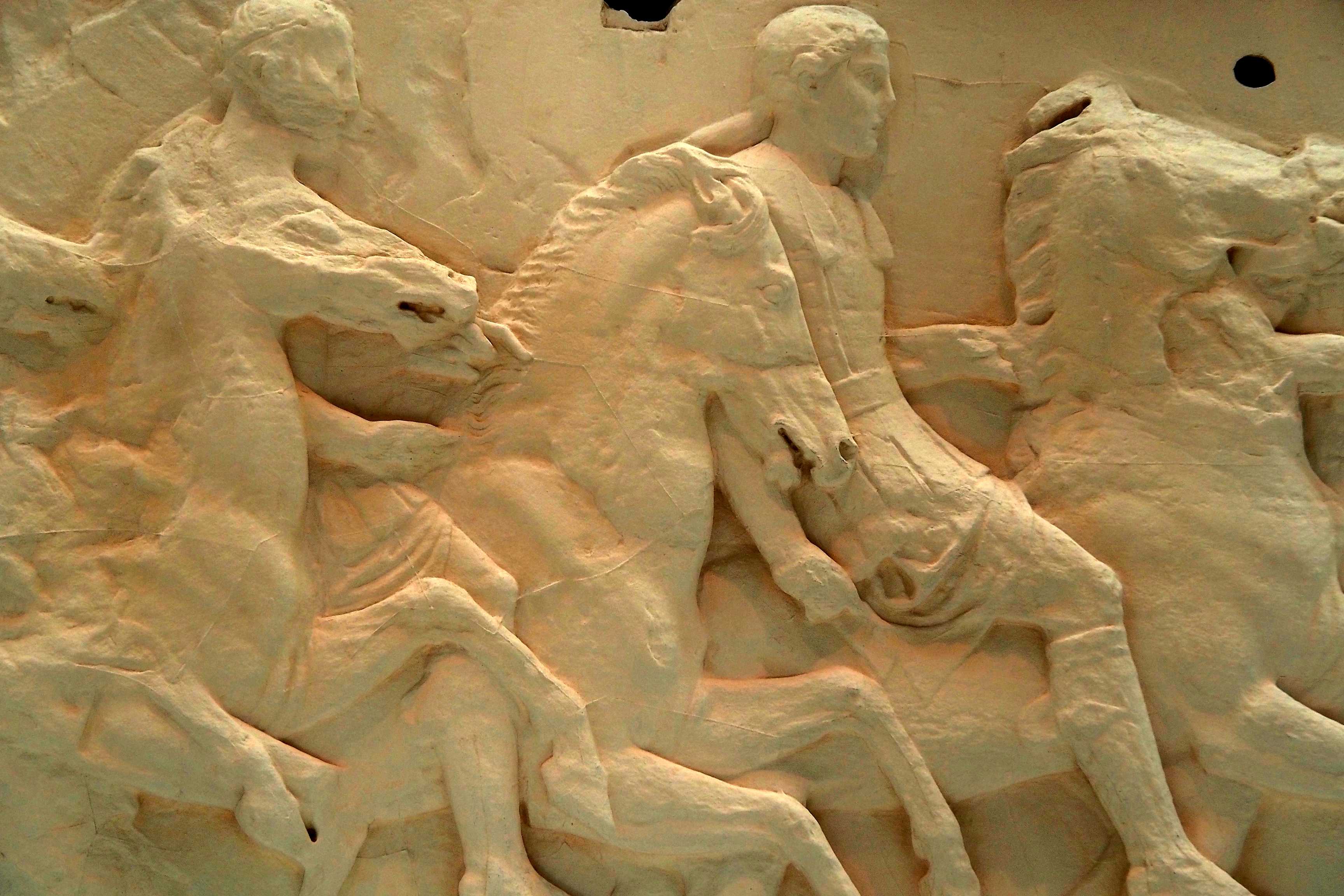
"The Parthenon Frieze or "Panathenaic Frieze" is an Ionic frieze in Pentelic marble 160 meters long representing 378 human figures and 245 animals. It surrounded the sekos (closed part) of the Parthenon on the Acropolis of Athens. If it was made by several artists, it was sculpted most likely under the direction of Phidias between 442 and 438 BC." © Wikipedia
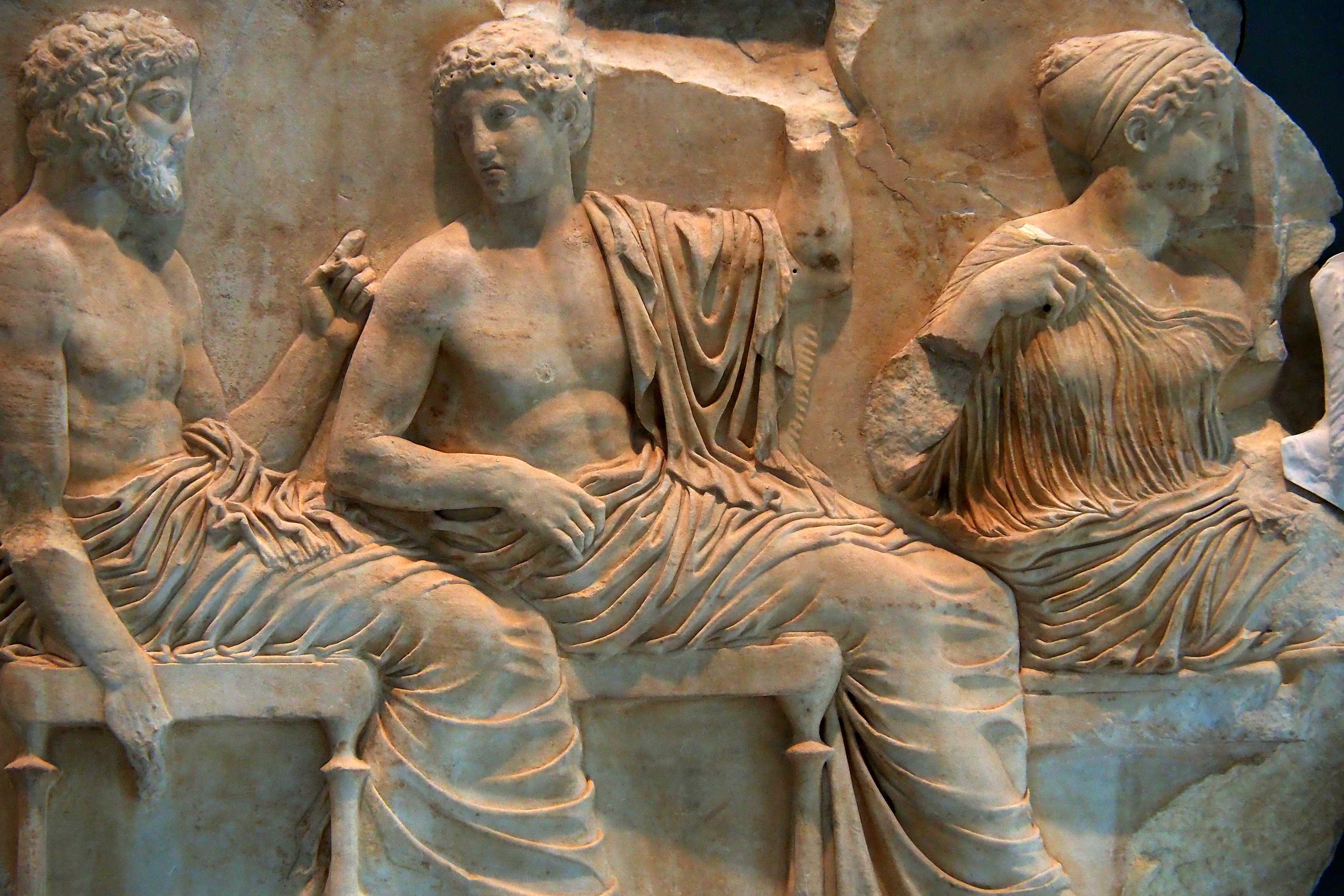
Poseidon, Apollo and Artemis.

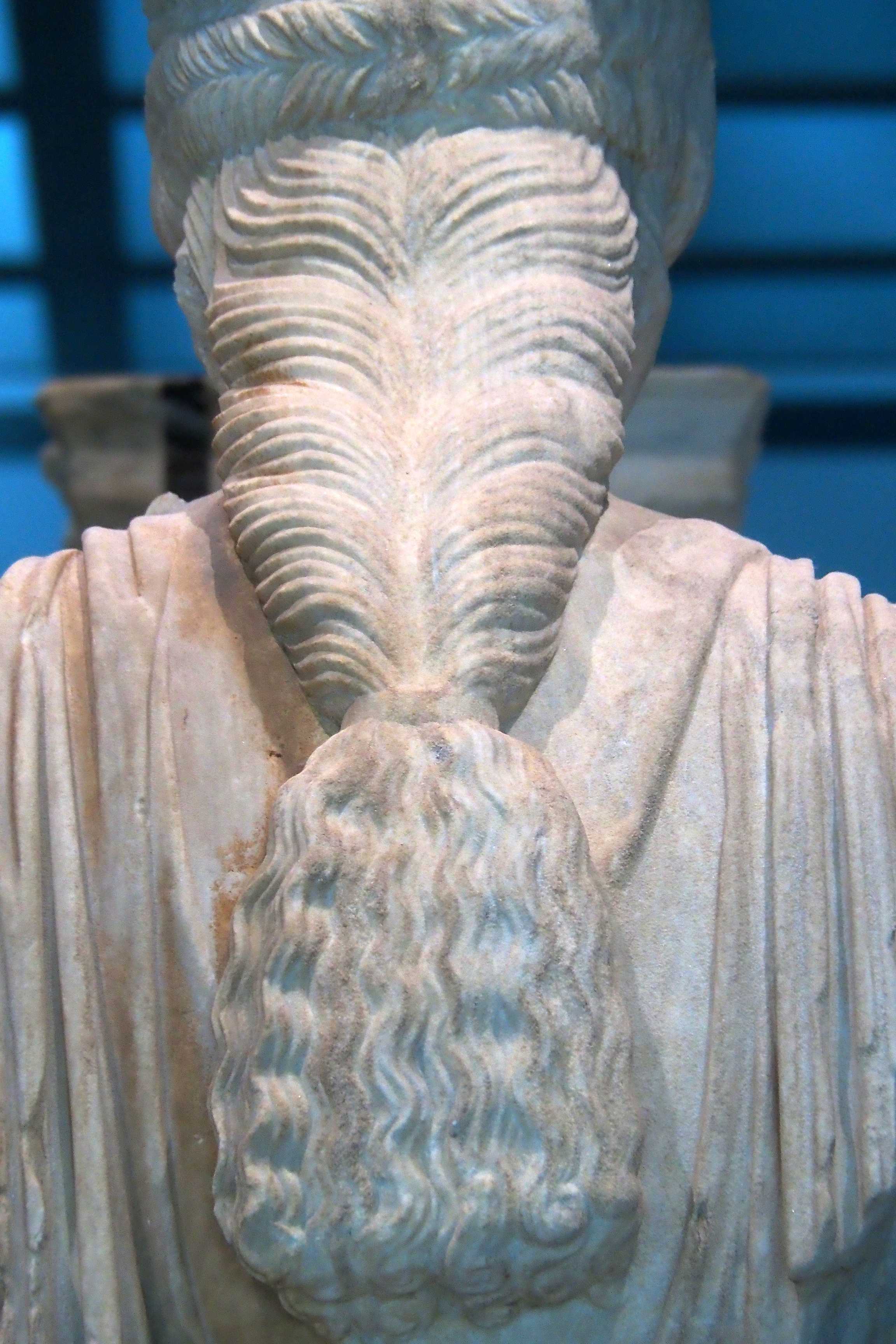
"A procession of sixteen elderly men in himation. They converse while walking or standing, or they turn to look behind them. One man ties a ribbon around his head, while another has hair arranged in braids that cross at the nape of the neck. Some once carried branches represented in color."


"This block represents the procession of four hydria carriers. Three of them carry on their shoulders containers containing water to sprinkle the altar and the animals. The fourth has temporarily placed his hydria (water jar) on the ground and prepares to lift it again."


Reconstruction of the East pediment of the Parthenon.
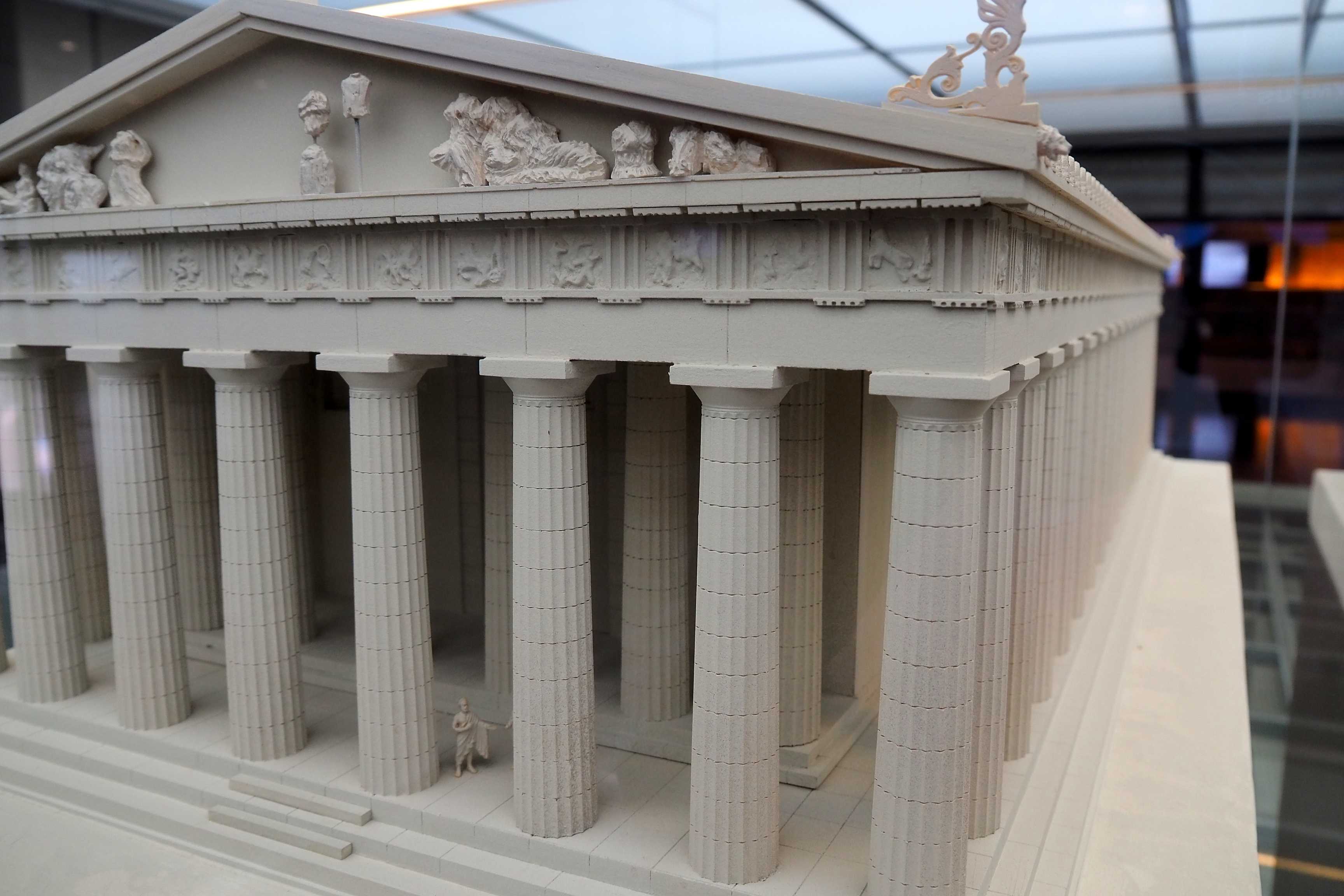

Details of the East pediment.


The terrace of the museum café with the view of the Acropolis. 

We are not going to refuse a little coffee with this nice view, right? 

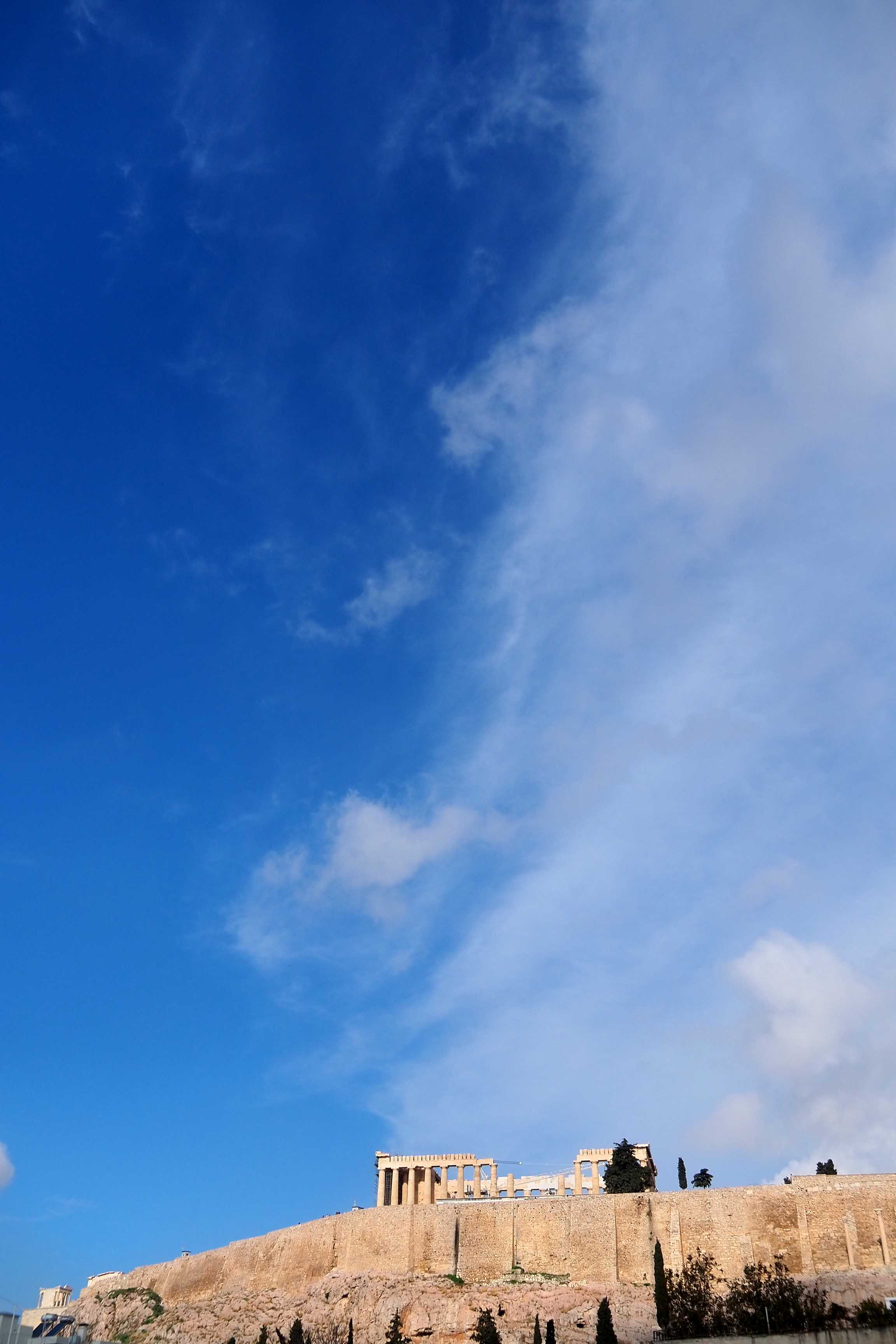
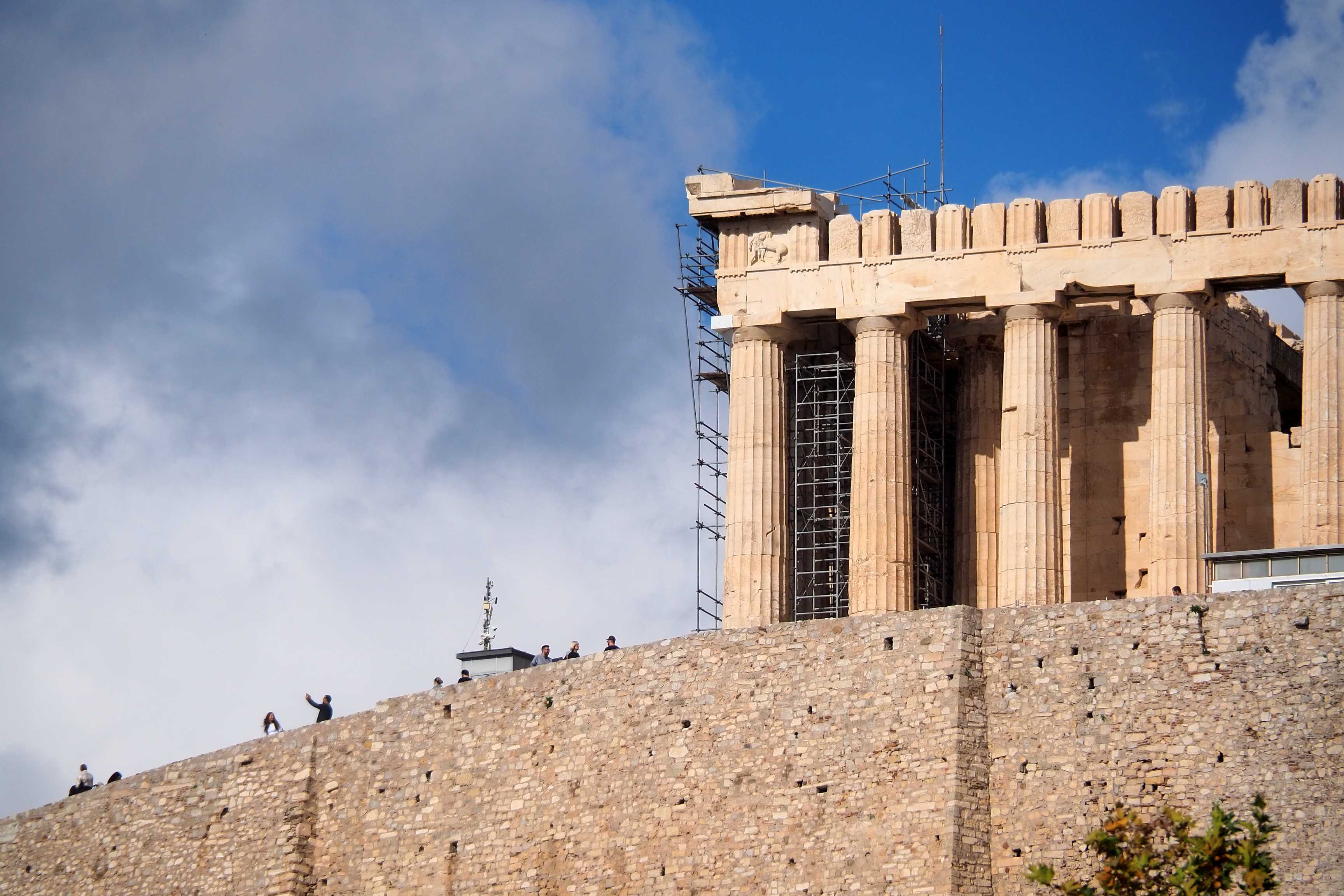
The crane inside the Parthenon knows no rest...

Mount Lycabettus is even visible from the museum.

And here are five of the real Caryatids that supported the entablature of the Erechtheion. The six statues in place on the site are copies. The sixth is at the British Museum in London.



"Decrees of Methone in Pieria. The Athenians granted economic, commercial and military privileges to their ally Methone, a city strategically located on the coast of the Thermaic Gulf. On the relief, the goddess Athena extends her hand in a handshake with a character accompanied by a hunting dog, perhaps the goddess Artemis."


"Hera and Athena, the tutelary goddesses respectively of Samos and Athens shake hands. According to the inscription, the demos of the Athenians honors the Samians because they remained faithful to them after the defeat of the Athenian fleet at Aegospotami against the Spartans, while their other allies had gone into revolt. The text is a copy of a decree dated 405 BC."

"Exact copy of the head of the statue of Alexander the Great. The original is presented at the temporary exhibition "KALLOS. The Ultimate Beauty" at the Museum of Cycladic Art, from September 2021 to January 2022."
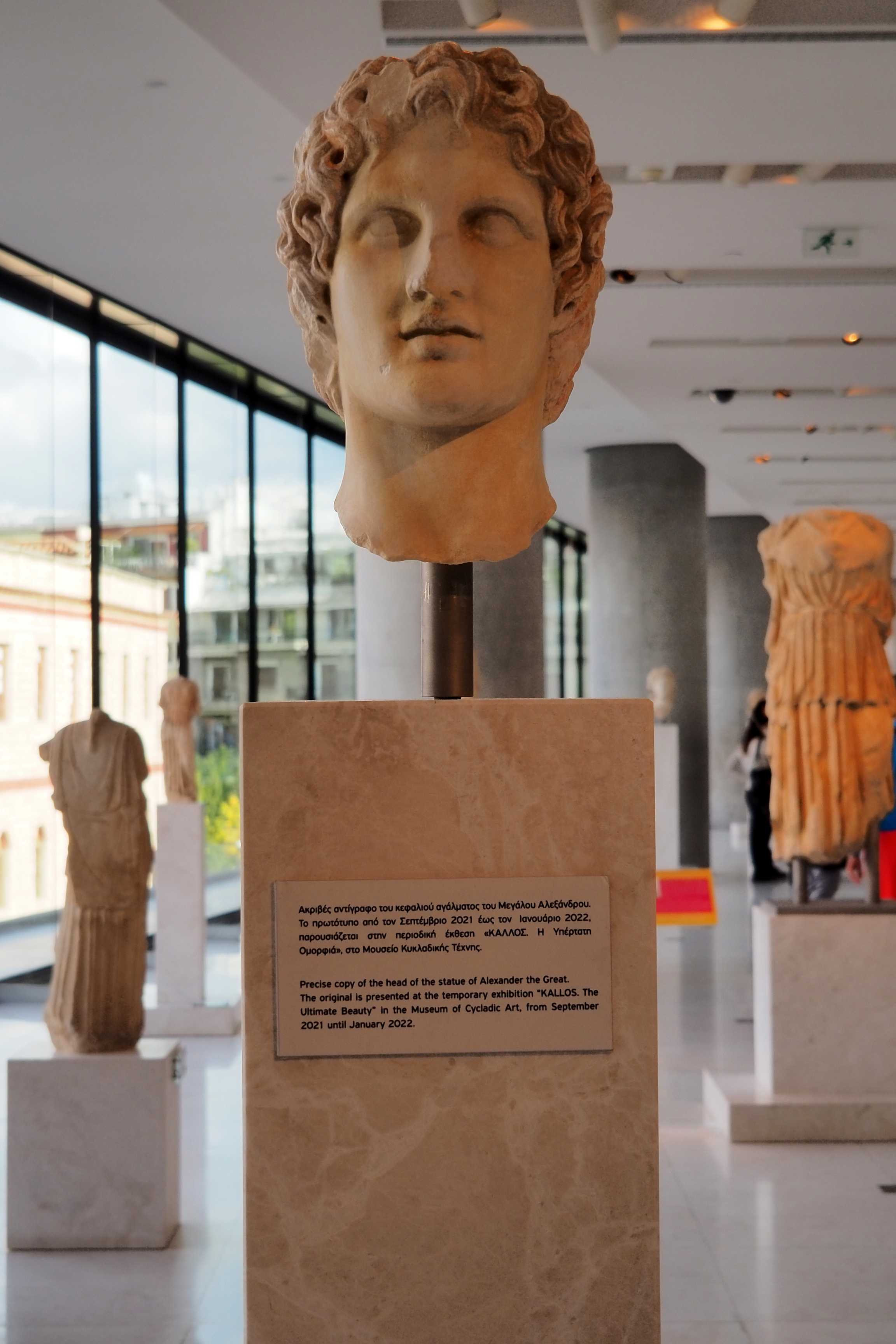


"Portrait of a ruler. The portrait most likely represents Sauromates II, King of the Cimmerian Bosporus. Around the end of the 2nd century AD."

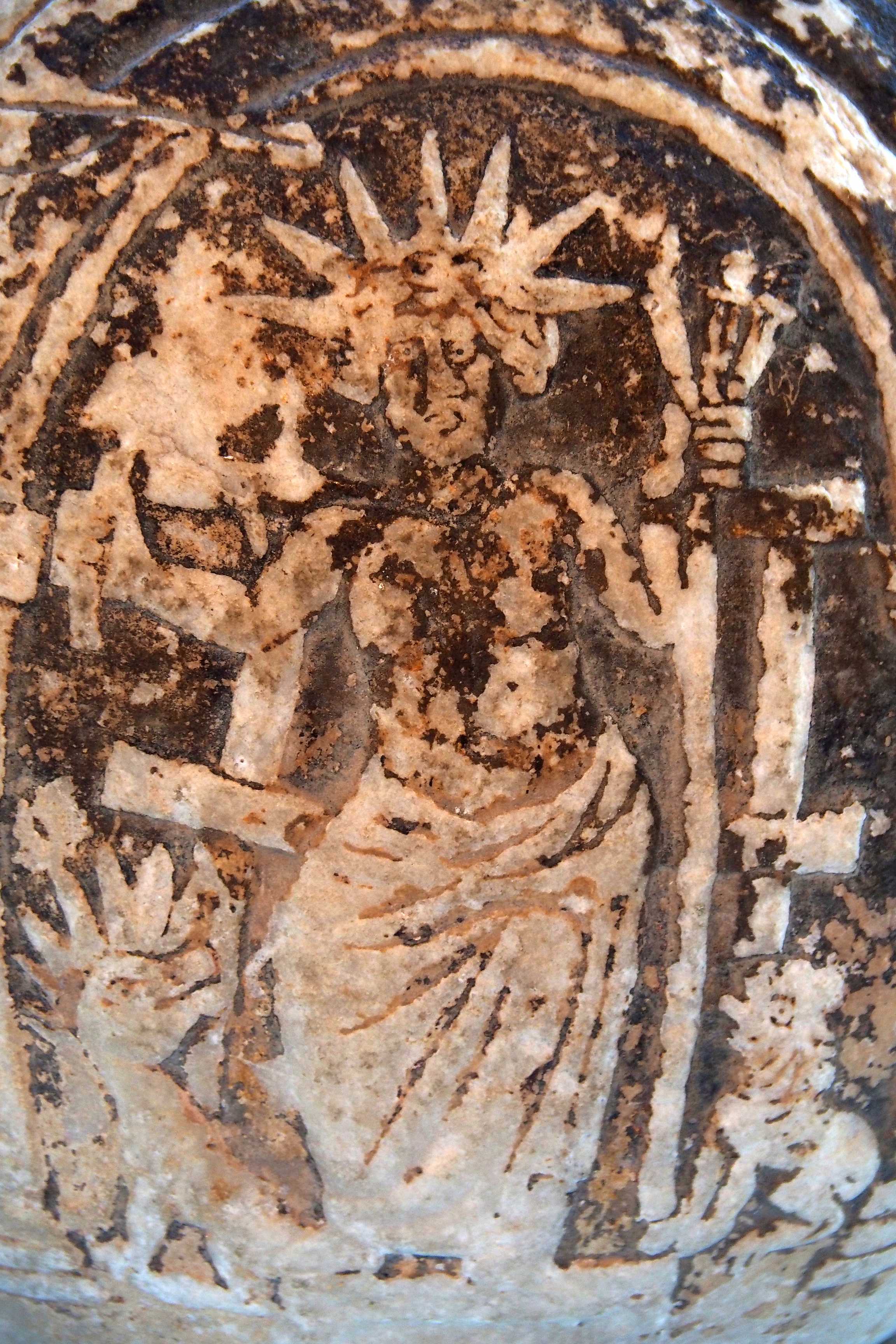
Magic sphere.
On the sphere are presented the god Helios, a lion, a dragon and magical symbols. It was found buried near the Theater of Dionysus, which hosted duels and other similar contests when the sphere was created. It has been suggested that the sphere was used in magical rituals to win victory in these contests. 2nd-3rd century AD".

The Olympieion
Return to the Olympieion, the temple of Olympian Zeus, also called Olympieion. The temple started in the 6th century BC measured 108 meters long by 41 meters wide. Only 15 columns remain, today under restoration behind scaffolding.


In the distance, the inevitably photogenic Acropolis...


Panathenaic Stadium
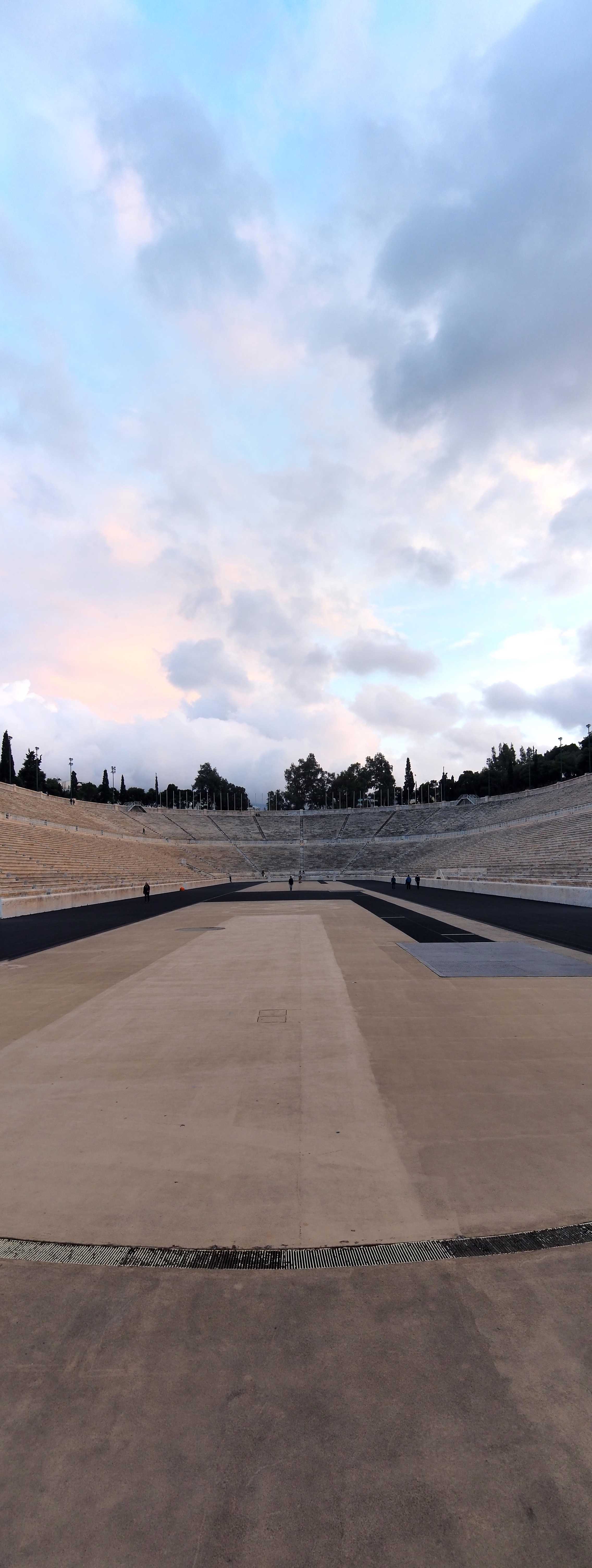
We passed in front of it yesterday, it is high time to enter! The Panathenaic Stadium (in Modern Greek: ?a?a???a??? St?d?? / Panathinaïkó stádio, "stadium of all Athenians") is an ancient stadium in Athens, renovated for the first Olympic Games of the modern era, in 1896. Its common name in Greek, ?a???µ??µa?? / Kallimármaro ("of beautiful marble"), refers to the marble with which it is faced.

The foundations of the stadium date back to the 4th century BC. It was built to celebrate the religious and social festivities of Athens (the "Panathenaea"). The stadium then found its sporting vocation in 137 AD with the Panhellenia, sports competitions.

From the beginning, the stadium could accommodate 50,000 spectators.


"After the prohibition of pagan ceremonies and bloody spectacles by Emperor Theodosius I at the end of the 4th century, the stadium, abandoned, fell into ruin. Gradually, its function was forgotten, a wheat field covered its site and its marble cladding disappeared, reused for other constructions." © Wikipedia

In 1896, the stadium was rebuilt to host the new Olympic Games of the modern era.


Two rectangular columns each with the double face of Hermes, deity of Olympus.
In the front row, at the southern end of the stadium, two thrones are positioned in the axis of the track.

The view from the two thrones... The track is about 200 meters long.

On the side, the tunnel through which the athletes arrived. Today, it provides access to a small museum on the modern Olympic Games.


The museum mainly allows seeing the different torches and posters of the Games again.

From left to right, London 1948, Calgary 1988, Seoul 1988, Barcelona 1992.

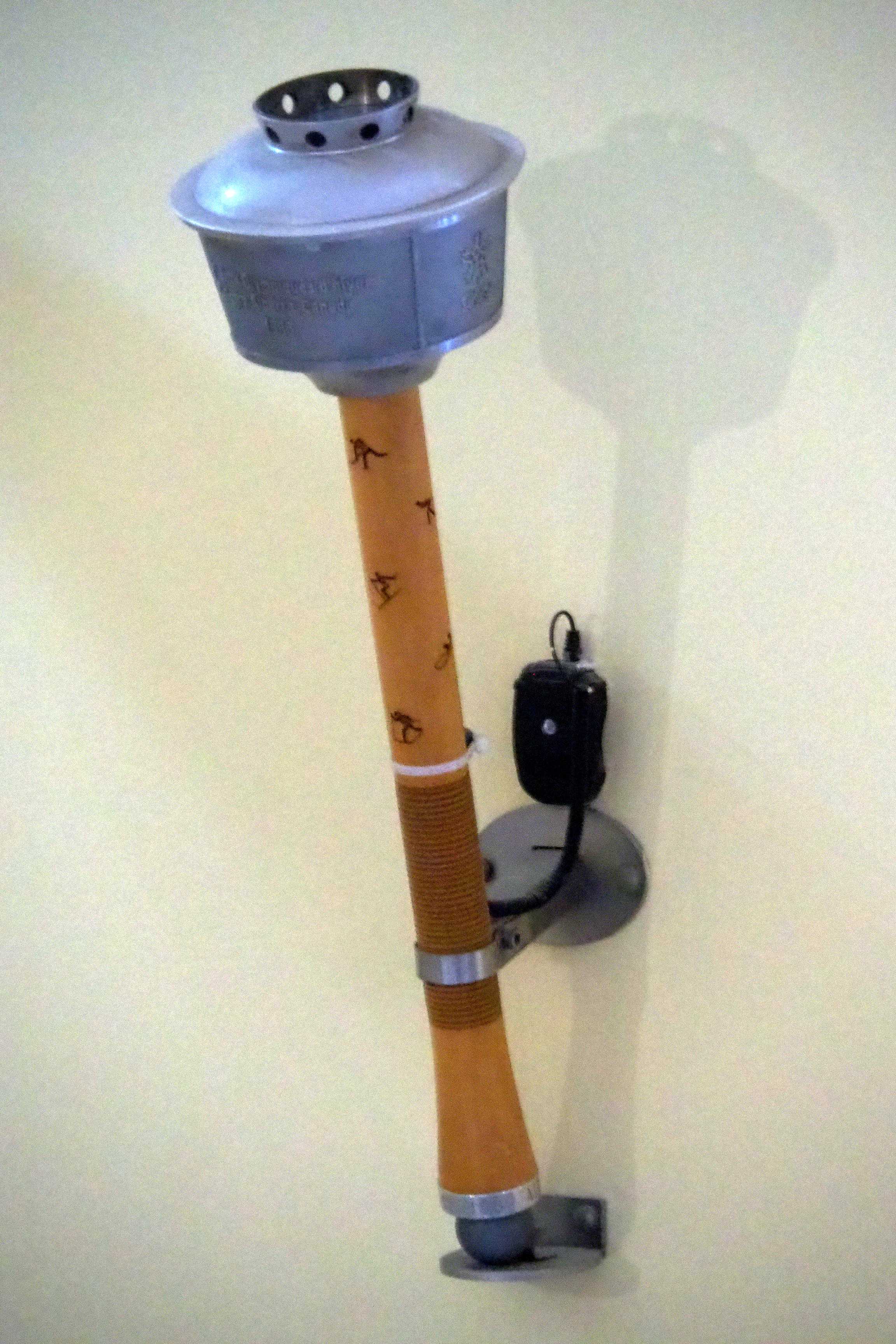


Torino 2006, Rio 2016, Tokyo 2021.


And some posters: Stockholm 1912, Antwerp 1920.


Paris 1924, Amsterdam 1928, Berlin 1936, London 1948.


Helsinki 1952, Seoul 1988, Barcelona 1992, Atlanta 1996.


Back on the track in front of the Hermes columns.
"The oldest form of his cult addressed his representations called hermai, in Arcadia or Attica, in the form of quadrangular stone columns surmounted by a bearded head, possibly provided with a phallus and often accompanied by an inscription. These herms were found on the roadside, on borders, at crossroads, at the gates of cities and houses, but also in squares, in gymnasiums, libraries, sanctuaries. They constitute the basis of his cult. © Wikipedia

"It was customary to place piles of stones in his honor at crossroads: each traveler added a stone to the edifice. These piles of stones were gradually supplanted by stone markers of phallic shape placed along the roads, to result in the squared and quadrangular form of herms, surmounted by the head of the god and bearing, in their center and in relief, his virile attributes. Some of these hermai are janiform, presenting a female head and a male head. Others associate two male heads, one beardless and the other bearded. © Wikipedia


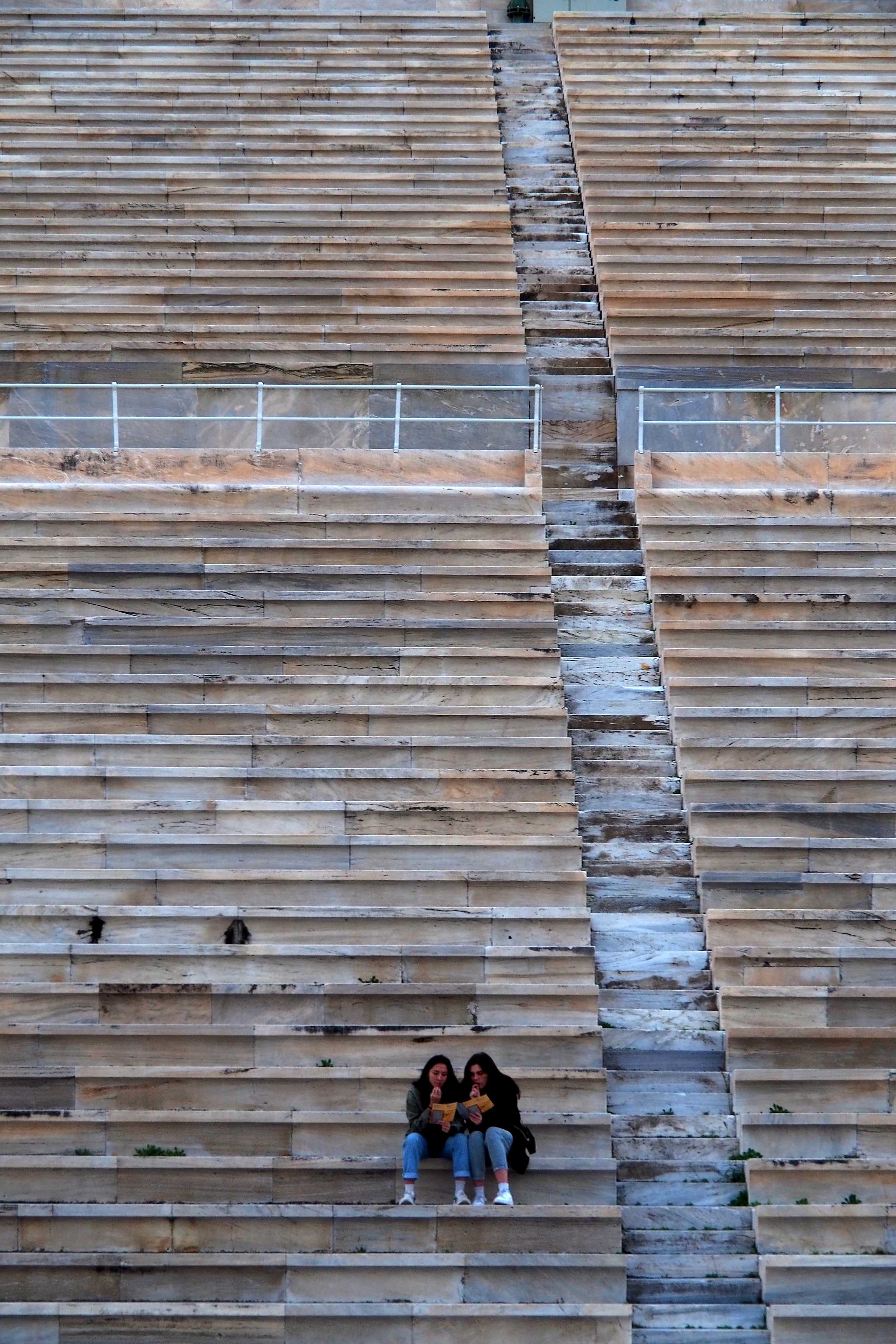

At the top of the tiers.


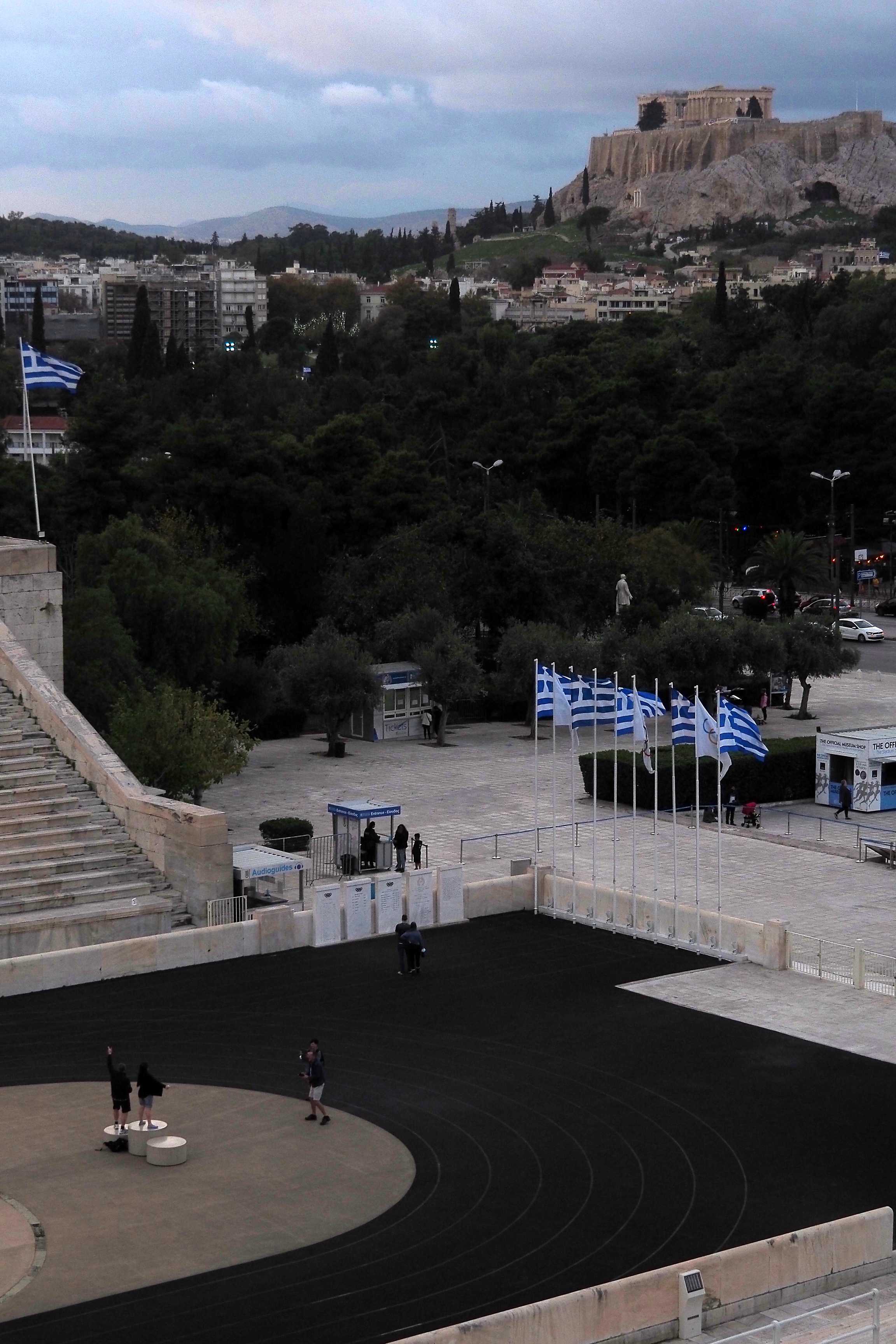
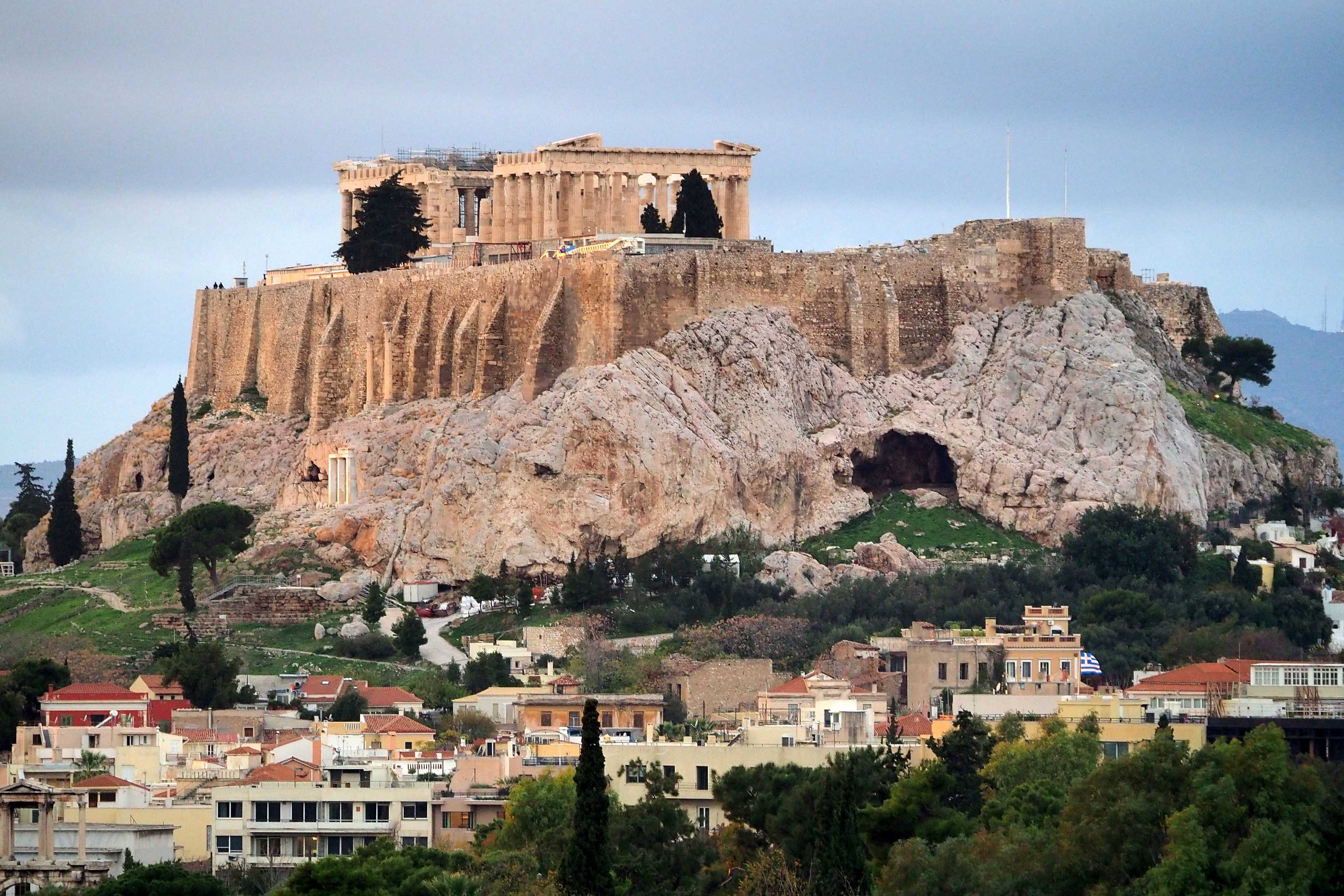
The Acropolis, always majestic from wherever you see it...
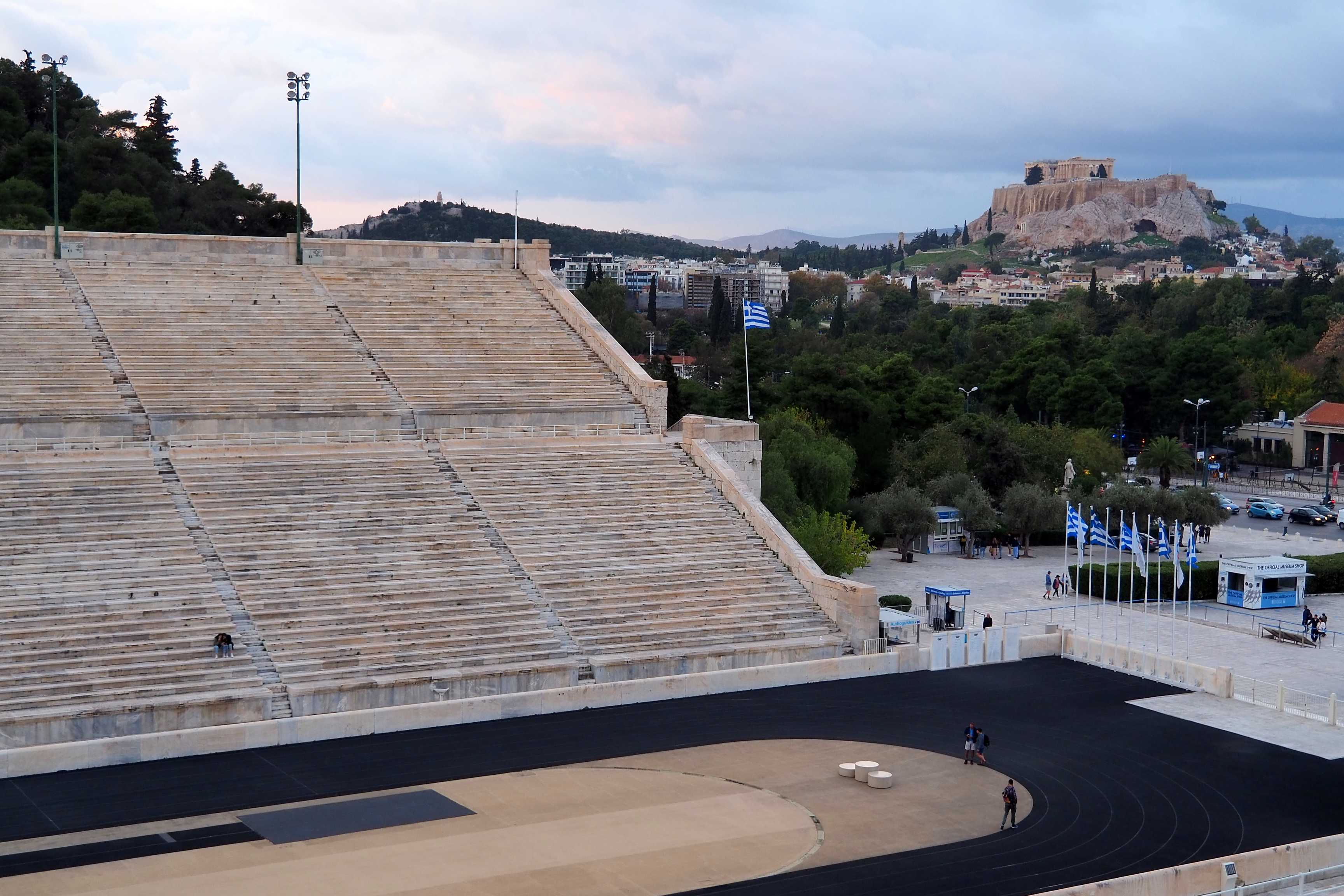




The Olympic flag, representing the 5 interlaced continents, was designed in 1913 by Pierre de Coubertin.


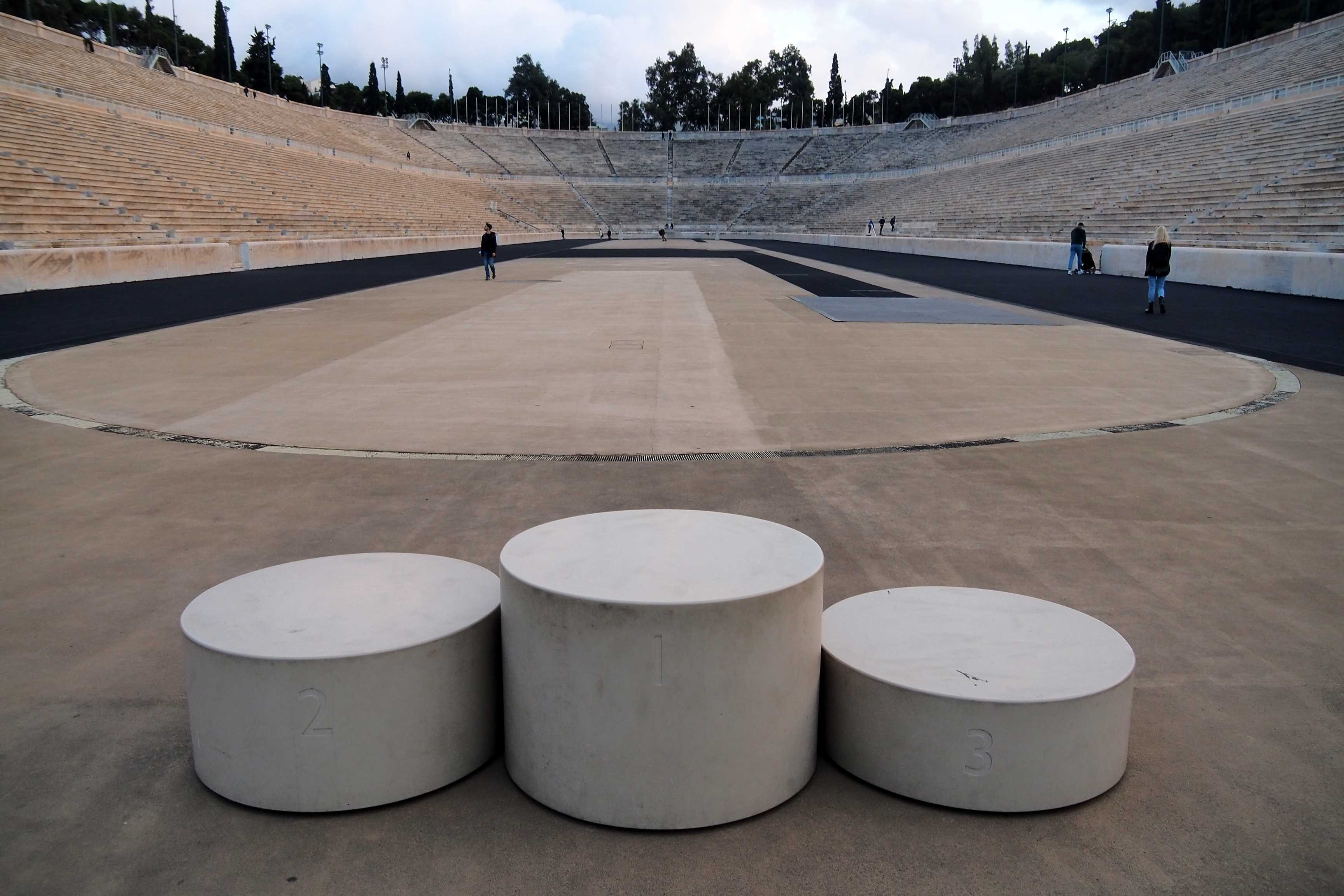
And the Podium judiciously placed for the souvenir photo... ! 


Short nostalgic passage by the parliament to see one last time the Evzones relieving the guard in front of the tomb of the unknown soldier...


A light, like an eternal flame is lit below the bas-relief.


Farewell dinner to Greece with a traditional Gyros!

Only one night left to get up early tomorrow morning to reach the airport. Here is the Airbnb apartment we rented. The living room served as my bedroom, because there was too much noise from the road in the bedroom...  But it was very well located since we were able to do everything on foot!


And that's it, everything is clean to leave and leave the country! Sure we will have to come back to complete the circuit with the Cyclades, the 250 islands of the Southern Aegean Sea...  See you soon Greece!


Latest comments
On Guatemala 2018
Le 25 Novembre 2024
Significado de este mural
On Chile 2016
Le 15 Septembre 2024
Rrrrrr
On Egypt 2003
Le 1er Avril 2023
Et oui c'est bien nous aux pieds de ce Colosse !
Le 1er Avril 2023
Bien petits aux pieds de ce Colosse !
On Namibia 2014
Le 3 Août 2021
very good indeed